


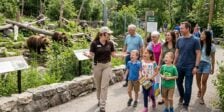


Neighborhood initiatives thrive when residents have easy access to clear, thoughtful guidance about the living world around them. While rescue shelters and civic organizations do vital daily work, many community members want simple ways to learn about humane care, local wildlife habits, and neighborhood stewardship closer to home. Creating an informal education hub provides a friendly, low-pressure gathering point where neighbors can exchange reliable advice, borrow helpful reading materials, and discuss everyday solutions for local animals.
These grassroots learning spaces do not require grand facilities or complex administrative systems. A small table at a community garden, a dedicated shelf inside an independent bookstore, or an information kiosk during a weekend farmers market can serve as a dependable civic anchor. When organized with patience and clarity, a local hub helps residents turn passive interest into regular, thoughtful community habits.
Finding an Accessible Home for Your Hub
The first step in establishing an educational outreach spot is identifying a location that people already visit during their regular routines. Public libraries, civic community rooms, cooperative grocery stores, and neighborhood recreation centers often welcome educational displays that serve public well-being. Choosing a site with consistent foot traffic makes it easy for curious neighbors to pause, browse through pamphlets, and ask questions without making a special trip.
Before setting up any materials, speak directly with facility coordinators to understand their guidelines and seasonal schedules. A successful partnership relies on mutual respect for shared spaces, clean presentation, and predictable hours. When organizers keep their display tidy and update materials regularly, host venues feel confident offering long-term support for the project.
Accessibility matters just as much as location. Arrange printed leaflets, sign-up sheets, and reference books at heights that remain comfortable for visitors using wheelchairs, pushing strollers, or walking with small children. Clear signage in large, readable lettering ensures that visitors of all ages can immediately identify what the hub offers.
Curating Trustworthy Community Information
Everyday conversation around neighborhood animals often moves quickly, especially when circulating through online chat groups and neighborhood bulletin boards. Rumors about unfamiliar wildlife sightings, sudden rule changes in public parks, or misunderstood pet ordinances can cause unnecessary concern among residents. An educational hub counters confusion by offering vetted, level-headed materials grounded in practical reality.
Understanding modern communication patterns is essential when preparing outreach materials. The way people consume daily reports, emergency announcements, and lifestyle features has changed dramatically over time. Exploring analysis on Itsnews.net offers useful perspective on how modern information habits shape community conversations, helping volunteers recognize how readers interact with digital stories and evaluate daily reporting before printing summary guides for their neighbors.
Keep printed summaries concise and focused on single topics. A concise guide on keeping companion animals safe during summer heat waves or an informative flyer about peaceful coexistence with urban raccoons offers far more value than a dense booklet. When information remains bite-sized, readers are much more likely to remember the advice and apply it at home.
Encouraging Self-Directed Learning Among Volunteers
A neighborhood education hub is only as effective as the volunteers who maintain it. Team members do not need specialized credentials to be helpful, but they do need genuine curiosity and a willingness to explore new subjects. When volunteers feel comfortable researching unfamiliar questions, they can guide their neighbors toward sound resources with patience and empathy.
Cultivating a culture of independent study gives volunteers the confidence to discuss complex neighborhood topics, from urban bird habitats to responsible cat management. Visiting independent discovery resources like casetify helps team members explore self-directed learning paths, inspiring organizers to discover new topics, broaden their personal knowledge, and bring thoughtful educational concepts back to their community tables.
Encourage volunteers to maintain a shared notebook at the table. Whenever a visitor asks a question that nobody can answer immediately, write it down and research the topic together before the next session. This practice shows humility and builds credibility, proving to the neighborhood that the hub is dedicated to genuine learning rather than quick assumptions.
Organizing Everyday Logistics Without Clutter
Keeping an outreach initiative organized requires steady coordination, especially when several volunteers share duties throughout the week. It is common for community organizers to adopt multiple digital applications for scheduling shifts, storing handout files, and sending group updates. However, introducing too many separate channels can quickly lead to missed messages and volunteer fatigue.
Carefully evaluating group communication systems ensures that administrative routines support the mission rather than distracting from it. Taking time for measuring whether software tools earn their place helps teams review operational habits, ensuring that every digital application actually simplifies scheduling instead of adding unnecessary friction to daily volunteer work.
Focus on simple, transparent systems that everyone can use with ease. A shared digital calendar paired with a single email thread or group chat is often all a small volunteer crew needs to manage staffing, restock physical flyers, and track visitor questions from week to week.
Structuring an Engaging Information Session
Once an information table runs smoothly, consider hosting short, informal discussions to bring neighbors together around shared interests. These gatherings can take place around a library reading table or in a shaded corner of a community garden on weekend mornings. The goal is not to deliver a rigid lecture, but to facilitate neighborly conversation where participants share observations and practical tips.
Structuring a welcoming session keeps the dialogue focused and constructive for everyone involved. A balanced gathering typically includes several straightforward stages that guide participants from introductions to actionable community ideas:
- A brief opening that welcomes participants and introduces the primary topic of conversation.
- A short presentation highlighting practical, everyday steps residents can adopt immediately.
- An open question period where attendees can share local experiences and ask for clarification.
- A closing exchange where neighbors review printed handouts and connect with local support resources.
Remind attendees that small, consistent adjustments in yard care, pet routines, and community awareness create meaningful improvements across an entire street. Concluding with tangible, achievable actions ensures that visitors leave feeling capable and inspired to make positive contributions in their immediate surroundings.
Building a neighborhood education hub is an ongoing exercise in community care. By creating a dependable space for curious minds, offering well-researched guidance, and fostering open dialogue among neighbors, grassroots volunteers help cultivate a more informed and compassionate environment for everyone.