




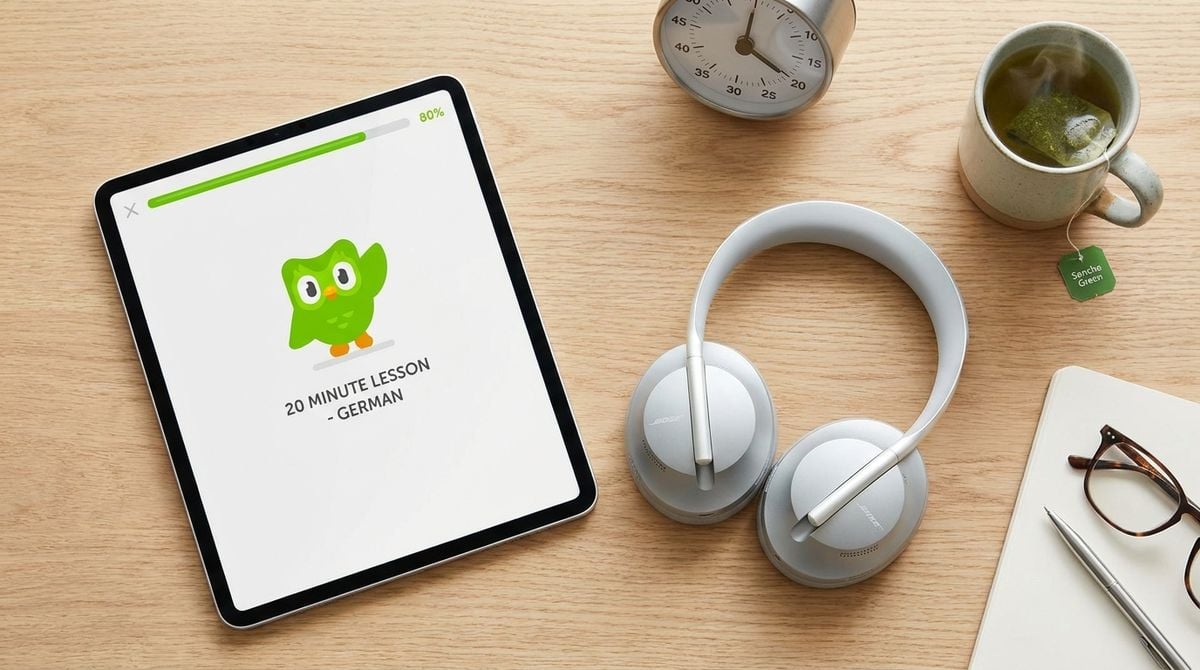
Owners of clinics, wellness studios and therapy practices know that waiting areas hold people in many different states of mind. Some visitors feel anxious, others are simply tired after a long day, and many are quietly worried about what comes next. Consideration in these spaces can ease that tension for patients and for the people sharing the room. This article describes practical habits that make waiting areas calmer for everyone, and it offers general guidance rather than any medical advice. The ideas are simple enough to start this week.
Clear Communication About Wait Times
Uncertainty is one of the hardest parts of waiting. Post realistic expectations at the desk, and update visitors when delays occur. A brief apology and a clear estimate show respect for their time. Readers may also want to visit learn2drive4free.com. Those templates often include wording for common delay messages. Read the wording aloud before using it to check that it sounds warm.
Explain why a delay happened when appropriate, without blaming colleagues. Offer a seat, water or a short update to people waiting longer than expected. Calm communication lowers stress across the whole room. Visitors who feel informed are usually more patient with the schedule as a whole. Keep messages short, specific and honest about what can change.
Keeping the Room Quiet and Comfortable
Waiting rooms work best when they feel calm. Keep conversations at a low volume, dim harsh lights where possible and play gentle background sound rather than loud television. Provide comfortable seating and enough space to pass without brushing past others. Small changes in the environment can lower tension more than any sign on the wall. Simple touches, such as clean floors and a fresh coat of paint, quietly signal care.
You can also visit martin-bike.com for more reading. Keep a tidy space with reading materials that suit a range of interests. Visitors who feel comfortable are more patient and more cooperative. A quiet corner with a plant or a window view can also help people settle. Let visitors choose where they sit whenever the layout allows.
Privacy and Sensitive Conversations
Patients often share personal details while checking in. Use quiet desks, lower voices and private rooms when discussing sensitive matters. Avoid calling names loudly across the room, and use discreet methods to confirm identities. Privacy is a basic form of respect that visitors notice immediately. A visitor who feels exposed may leave without saying anything. Discreet handling is one of the quietest ways a practice can show respect.
Train staff to recognize when someone seems uneasy, and offer a private space if needed. For a related read on this site, see Counter Tweaks That Lift Service at a Game. Use those principles as a starting point for your own policies. Review them with the team at regular intervals so they stay current. Invite feedback from staff, since they often spot gaps first.
Protecting Others From Shared Germs
Shared waiting rooms can carry germs from one visitor to the next. Post simple reminders about hand hygiene and covering coughs, and keep tissues and hand cleaner within easy reach. Staff should follow the same routines they encourage in visitors. Consistency makes the message more believable and more effective. Visitors are far more likely to follow a rule when they see the team following it too.
Consider offering a quiet option for people who prefer to wait away from crowds. Rescheduling a visit for someone who is clearly unwell may be the kindest option for everyone in the room. Those choices protect the people sitting nearby. A short, friendly note explaining the policy helps visitors understand that it is about care for others. Visitors usually respond well when the reason is clear and kindly stated. Clear reasons make people far more willing to cooperate.
Respectful Language and Kind Staff Behavior
Words spoken at the desk travel across the room. Use polite, plain language and avoid shortcuts that might confuse visitors. Thank people for their patience, and explain next steps clearly. Consistent kindness builds a reputation that brings people back. A warm greeting at the door sets the tone before any paperwork begins. Using a visitor’s name, when it is known, makes that greeting feel personal.
Encourage staff to take short breaks, since tired teams sometimes sound brusque without meaning to. Supportive management helps frontline workers stay gracious. A calm team tends to create a calm waiting area. Recognizing good work out loud also keeps morale steady during busy weeks. Small thanks at the end of a shift can make a lasting difference. Recognition from the top also travels down to the front desk.
Waiting Rooms That Respect Every Visitor
Good waiting room habits show consideration for the visitors who arrive stressed, tired or simply busy. Clear communication, comfortable surroundings, private conversations and kind staff all make the wait easier. Owners who look after the room look after the people in it. A waiting area that feels considerate can be one of the most memorable parts of the whole visit. Those few minutes often shape how a whole family remembers their care.