


Have you ever thought about how the new immigration changes might really make a difference? Recent policy updates are sparking hope in the middle of heated debates and strict border checks.
Lawmakers are trying out new ideas. They want to speed up visa processing (the steps to get permission to visit or work in a country) and update asylum rules (the laws that protect people looking for safety). For both visa holders and those in need of protection, these changes could lead to a fairer and simpler system.
In this post, we break down these legal updates and show how they might affect everyday lives, paving the way to a stronger, more secure future in immigration law.
Recent U.S. Migration Policy Updates in Legal Immigration News

Over the past month, lawmakers and officials have introduced fresh changes that are reshaping how we handle migration. These steps come during heated debates in Congress and ongoing discussions about reform, signaling that the U.S. is tightening its border rules while updating guidelines for resident status. Daily policy bulletins, like those you can read on legal news today, have been tracking these shifts, impacting both established programs and new initiatives. In short, the government is taking a proactive stance to streamline visa processing and boost national security.
These updates affect visa holders and asylum seekers alike. For instance, the new targets for processing times at USCIS (U.S. Citizenship and Immigration Services, the agency that manages immigration benefits) set fresh expectations for how quickly cases are handled. Meanwhile, individuals seeking asylum will notice changes in the eligibility rules that determine who qualifies for protection. While some believe these adjustments could make processes smoother, many still face uncertainties as the legal landscape shifts. The evolving mix of new detention criteria and modified deferred action measures brings home just how much things are changing. Key policy shifts include:
- Revised rules for detention and release
- Updated eligibility criteria for asylum seekers
- New processing-time targets at USCIS
- Enhanced border-entry screening procedures
- Adjustments to deferred action measures
Recent Judicial Rulings on Immigration Cases in Legal Immigration News
Over the past few months, important courts like the Ninth Circuit and the Supreme Court have made big decisions on immigration cases. On March 15, the Ninth Circuit ruled in Ramirez v. United States, and on April 10, the Supreme Court decided Adamu v. United States. These cases have stirred up discussions on how we handle entry rules, and you can check out more details at https://humane.net?p=.
One key decision from the Ninth Circuit focused on asylum (a process for seeking protection). The court explained who qualifies, making it easier for everyone to understand. Another ruling looked at deportation steps by setting clear standards for removal proceedings. In both cases, judges took time to explain legal rights and duties in simple terms, helping both legal professionals and the public follow along.
Looking ahead, these rulings will likely influence future appeals and enforcement methods in immigration law. Experts believe these choices will shape much of how disputes over entry are handled. Essentially, these decisions lay a clearer path for fair considerations in immigration disputes.
Visa and Permanent Residency Regulation Changes in Legal Immigration News
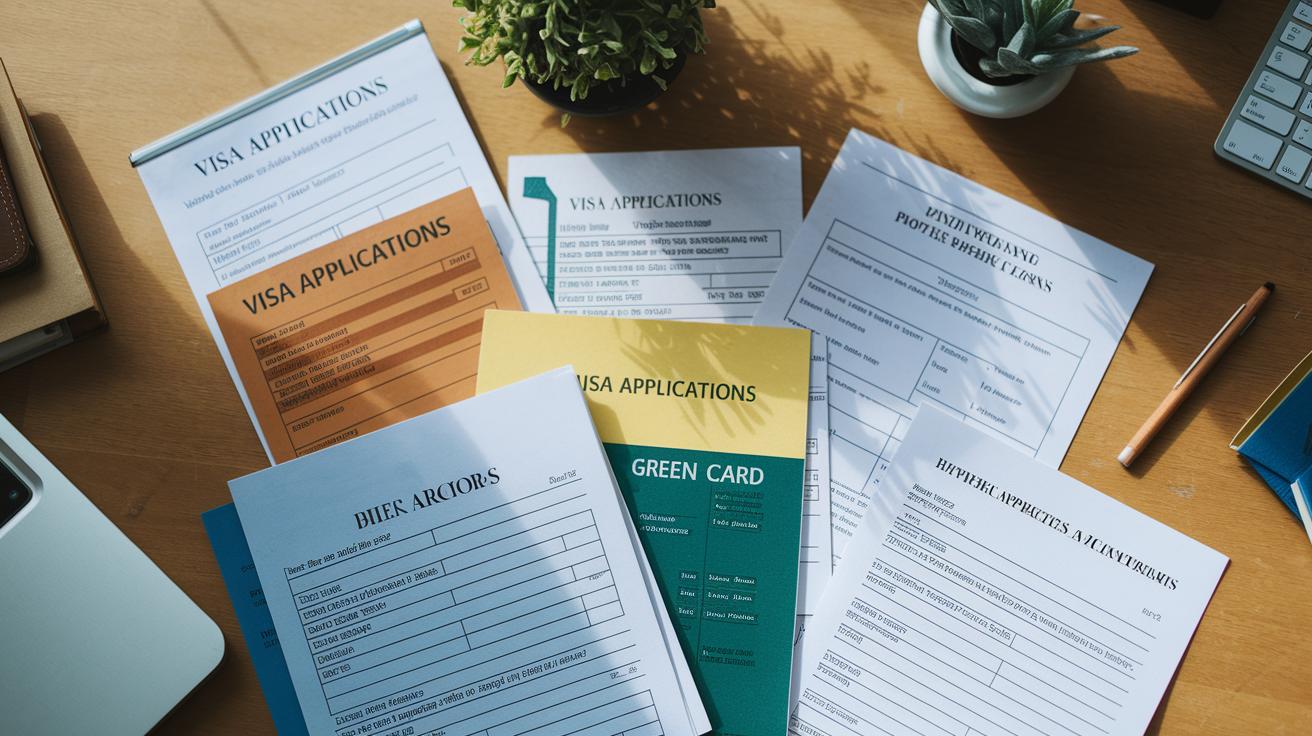
The U.S. has recently updated its visa rules to make getting an entry permit a smoother process. New guidelines clearly group different visa types and speed up the application steps. This means work, student, and tourist visa applications now have set rules for who qualifies and come with cleaner, simpler forms. Think of it like getting your visa faster with fewer hurdles, so your dream of living or working in the U.S. becomes more reachable.
The green-card (permanent residency) rules have also changed. Now, you need to show detailed records of your living history, employment, and ties in the community. The new guidelines spell out who can qualify in a clearer way and offer a more open review process. In short, preparing your documents and proving your ties is now simpler than ever.
Fee changes are a big part of this update too. Updated permit fees reflect current costs, and the U.S. Citizenship and Immigration Services (USCIS) have adjusted wait times to cut down on delays. This helps applicants know more precisely when to expect a decision, a welcome shift if you’ve been waiting for months.
New rules for sponsorship also bring greater clarity. Sponsors now have to follow strict documentation standards and clear timelines. This ensures that they consistently support applicants and ties in nicely with wider efforts to make the immigration process more straightforward and stable.
Asylum and Refugee Procedure Announcements in Legal Immigration News

New guidelines have shifted how asylum interviews are handled, making the process easier for everyone. They now offer flexible filing deadlines to help you build your case step by step, and digital scheduling tools send clear interview date notifications. One new rule even requires all interview requests to be confirmed at least two weeks ahead, which really helps reduce stress and keep things transparent.
Officials have also updated resettlement quotas and widened eligibility. In this round of changes, available refugee admission slots have increased by 15% to better support those in need. More groups that were once overlooked can now access resettlement opportunities, showing a real commitment to meeting current humanitarian needs.
New measures have been introduced to boost both safety and legal support. Updated rules now call for thorough health screenings at resettlement centers and set up emergency response procedures to protect vulnerable migrants. Plus, expanded legal aid ensures asylum seekers and refugees can consult with qualified legal professionals during their case proceedings. All these changes work together to make the asylum and refugee process safer and more supportive.
Border Security and Enforcement Strategy Adjustments in Legal Immigration News

The Department of Homeland Security has changed its approach to border security by introducing new measures that update how things are done. They want to keep our communities safe while still letting people enter the country legally. These updates include using new technology and setting tougher rules at detention centers (places where people are held while their cases are reviewed). The plan also focuses on watching migration trends closely and making sure different agencies work together better.
Some of the key changes include:
- Using advanced surveillance technology
- Updating detention center standards
- Speeding up removal procedures
- Improving how agencies share data
For people entering the country, these new rules mean there will be clearer processes during border checks. This reliable and straightforward system should lead to more consistent decisions, reducing confusion during the process. Lawyers are closely watching these changes to see how they might affect future legal appeals and court cases, as the new strategies pave the way for setting fresh standards in dealing with illegal entries and requests for legal review.
Statistical Analysis and Trends in Migration Legality Covered by Legal Immigration News

Federal reports show clear trends in migration numbers. For instance, the rate of visa issuance climbed by 7% compared to last year, and backlogs in processing dropped by 4%. We break down key figures like yearly entry counts and approved travel visas, giving you a straightforward picture of how applications and approvals are moving. One report noted, "In 2023, travel visa approvals surpassed previous counts by 7%," which truly highlights the steady progress.
Looking back at last year’s data, the changes are noticeable. Overall migration requests are up by 5%, while the percentage of cases waiting has dipped from 12% to 8%. These specific percentages let legal professionals see how the flow of immigration cases and reviews has evolved over time. Ever notice how a small shift in numbers can change the whole legal picture? This clear, step-by-step insight helps experts plan and adjust their practices with confidence.
Integration Support and Community Impact Updates in Legal Immigration News

Federal and state programs are stepping in to help newcomers feel at home. They offer language classes, job placement help, and legal aid for filling out immigration paperwork (that is, forms needed to enter and stay in the country). These services give immigrants a strong start as they build their lives in new communities. Local government agencies join forces with community groups to make sure everyone who needs support gets it.
Local efforts are making a real difference every day. For example, one community center in a big city holds free legal clinics and cultural orientation sessions to smooth the transition. Meanwhile, another neighborhood project pairs new residents with experienced volunteers who share their own stories of crossing borders and offer handy tips for settling in. These programs act as vital bridges, connecting newcomers with the help they need.
One recent program participant shared a simple piece of advice: get involved in community workshops. This down-to-earth tip not only clarified local legal rules but also helped create lasting bonds in the neighborhood. Their success story brings hope and shows other new residents how to build stability and take full advantage of integration support services.
Final Words
In the action from updated migration policies to judicial decisions and community support programs, we broke down key changes impacting visa rules, asylum procedures, and border enforcement measures. We also spotted trends through detailed statistical comparisons and examined programs that strengthen immigrant integration.
This article offers a clear guide in legal immigration news, empowering you to discuss trends and apply insights confidently. Stay informed and keep building on this solid foundation of legal updates for a brighter, more precise practice ahead.
FAQ
What do recent U.S. migration policy updates include?
The recent U.S. migration policy updates include changes to detention and release criteria, revisions to asylum eligibility rules, updated USCIS processing targets, new border-entry screening protocols, and modifications to deferred action measures.
How do recent judicial rulings affect immigration and removal proceedings?
Recent judicial rulings affect immigration and removal proceedings by setting new standards in asylum cases, influencing court appeals, and reshaping future enforcement practices in entry disputes.
What are the key changes in visa and permanent residency regulations?
Key changes in visa and permanent residency regulations include updated visa category guidelines, revised criteria for permanent residency, adjustments in fee structures and USCIS wait times, and alterations to sponsorship requirements.
How have asylum and refugee procedures been updated?
The updated asylum and refugee procedures involve new interview protocols, adjusted filing deadlines, revised resettlement quotas, broadened eligibility parameters, and expanded provisions for legal aid and health safety.
What border security and enforcement strategy adjustments were announced?
Border security updates include the deployment of advanced surveillance technology, new detention-center standards, enhanced expedited-removal procedures, and strengthened cross-agency data sharing policies.
What insights do recent statistical analyses provide about migration trends?
Recent data analyses highlight shifts in backlog percentages and visa issuance rates, compare current migration trends with last year’s figures, and offer clear percentage differences for a better understanding of entry law changes.
How is integration support evolving for newcomers?
Integration support for newcomers is evolving through federal and state initiatives, local programs offering settlement assistance, and success stories that include practical tips for achieving a smooth residency transition.