




Ever wonder if a little mark can bind you to a powerful promise? When you sign a paper, you are doing more than just writing your name. In legal terms (words that create rights and duties), your signature shows you agreed to what the document says. It connects you to the document and gives your agreement a solid base.
In this discussion, I'll show you step by step how each signature plays a solid role in making transactions secure. I want you to see clearly why that small mark carries so much weight.
Legal signature: Strong clarity for secure transactions

Under U.S. law, a legal signature is a mark that shows you agree to a document's terms. It is more than just a quick scribble or a simple click on a screen. It is a clear action that tells everyone you mean to take on legal rights and responsibilities. Even if the mark seems small, it confirms that you are entering into an agreement. For more details on these rules, check out our explanation of legal provision meaning.
- Intent to sign: The mark shows a clear decision to agree.
- Signer identification: The mark must be linked to the person signing.
- Consent to contractual terms: Signing means you accept the terms.
- Record retention for enforceability: Keeping a record of the signature helps during disputes.
All these points work together to create a signature that will hold up in court. It isn’t just about how you sign, but that you really meant to be bound by your action. When a signature meets these points, intent, identification, consent, and record retention, it becomes much more than a scribble. It turns into a legal tool that supports fairness and responsibility in transactions. Whether you sign by hand or electronically, every signature carries the weight needed to be recognized in legal settings.
Handwritten, Electronic, and Digital Legal Signatures Compared

Today, you have different ways to sign legal documents. You can use a handwritten, an electronic, or even a digital method, each one offering its own benefits. Handwritten signatures leave a clear mark on paper. Electronic signatures usually involve a click or a typed input to show you agree. And digital signatures use strong encryption (a way to scramble information so no one can change it) along with strict checks to confirm your identity. All three meet e-sign rules, but the right choice depends on your situation.
| Signature Type | Authentication Method | Legal Basis | Common Use |
|---|---|---|---|
| Handwritten | Manual writing | Traditional legal principles | Paper contracts, in-person agreements |
| Electronic | Click or typed input | Statutory recognition (laws passed by lawmakers) | Online forms, everyday deals |
| Digital | Encryption-based checks (using secure codes) | Modern digital laws | High-value secure transactions |
In court, these signature types are important. Handwritten signatures give solid, physical proof of your intent. Electronic signatures often create a digital record showing when and where you signed. Digital signatures, with their cryptographic checks, ensure the document hasn’t been altered. The strength of the evidence from each method can be key, especially in disputes or when proving that you truly agreed.
Handwritten signatures work well for personal documents and traditional paper contracts. Electronic signatures are best for everyday, low-risk agreements like service deals or office memos. But if you require extra security and a detailed record, such as for financial or sensitive business contracts, digital signing is the ideal solution.
Legal Signature Regulations: Federal and State Jurisdiction Rules

The Federal E-SIGN Act, which came into force in June 2000, changed the game for electronic records and signatures. It treats digital signatures just as seriously as traditional handwritten ones. So, when you click “I agree” online, your action carries the same weight as signing on paper. This law covers pretty much every commercial deal, making it easier to use digital methods in our modern world.
Almost every state, 48 of them, in fact, has adopted the Uniform Electronic Transactions Act. This law helps keep electronic signing processes consistent across state borders. It makes digital consent smoother and ensures compliance with digital law. However, some documents, like wills or records related to family matters, still stick with traditional methods for extra security.
Here are a few practical tips for making sure your digital signatures hold up legally:
- Verify identity: Always double-check the signer’s credentials to make sure their electronic mark really comes from them.
- Capture consent: Record that the signer agreed to the terms through a clear online action.
- Ensure integrity: Use safe methods to keep the document accurate and complete.
- Maintain records: Save digital copies and logs that prove the signing process was followed correctly.
- Meet record-keeping rules: Stick with guidelines on how long to keep these documents.
Each state might handle these rules a little differently, so it’s smart to review your process carefully. This extra step helps you avoid disputes and makes sure that your digital agreements stay legally solid, even in a complicated legal setting.
Secure Authentication for Legal Signatures: Methods and Standards
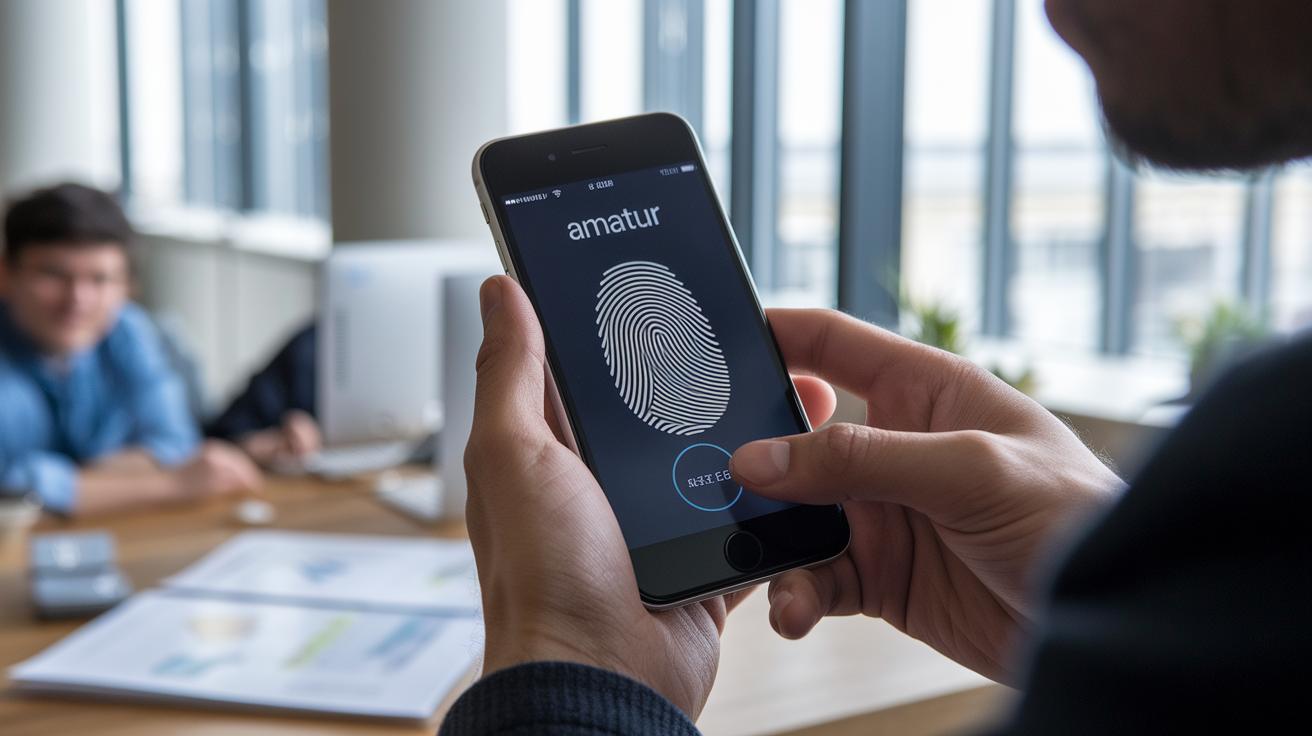
Verifying who signs a document is really important. When you sign something, you want to be sure it’s really you. This careful check makes the signature legally strong and clear.
There are several ways to check a signer’s identity:
- Two-factor authentication: This method asks for two things – something you know (like a password) and something you have (like a phone that gets a text code).
- SMS/email OTP: A one-time code is sent to your phone or email, quickly proving it’s you.
- Biometric fingerprint/face scan: Your unique fingerprint or face is checked, which makes it very hard for someone else to copy your signature.
- Digital certificate (PKI): This uses a system (public key infrastructure) that gives you a digital certificate to show that the signature is real.
- Blockchain timestamping: This method logs the time you sign on a blockchain, creating a permanent record.
- Encryption key management: This means carefully keeping and using the codes that lock your signature and data safely.
When picking a method, think about how much risk is involved. For basic documents, an SMS or email code might be enough. But for big contracts, you might want to add a fingerprint check or a digital certificate to keep things extra safe. In short, it’s all about balancing cost, ease, and security so your signature stands strong in any situation.
Implementing a Legal Signature: Practical Steps and Best Practices
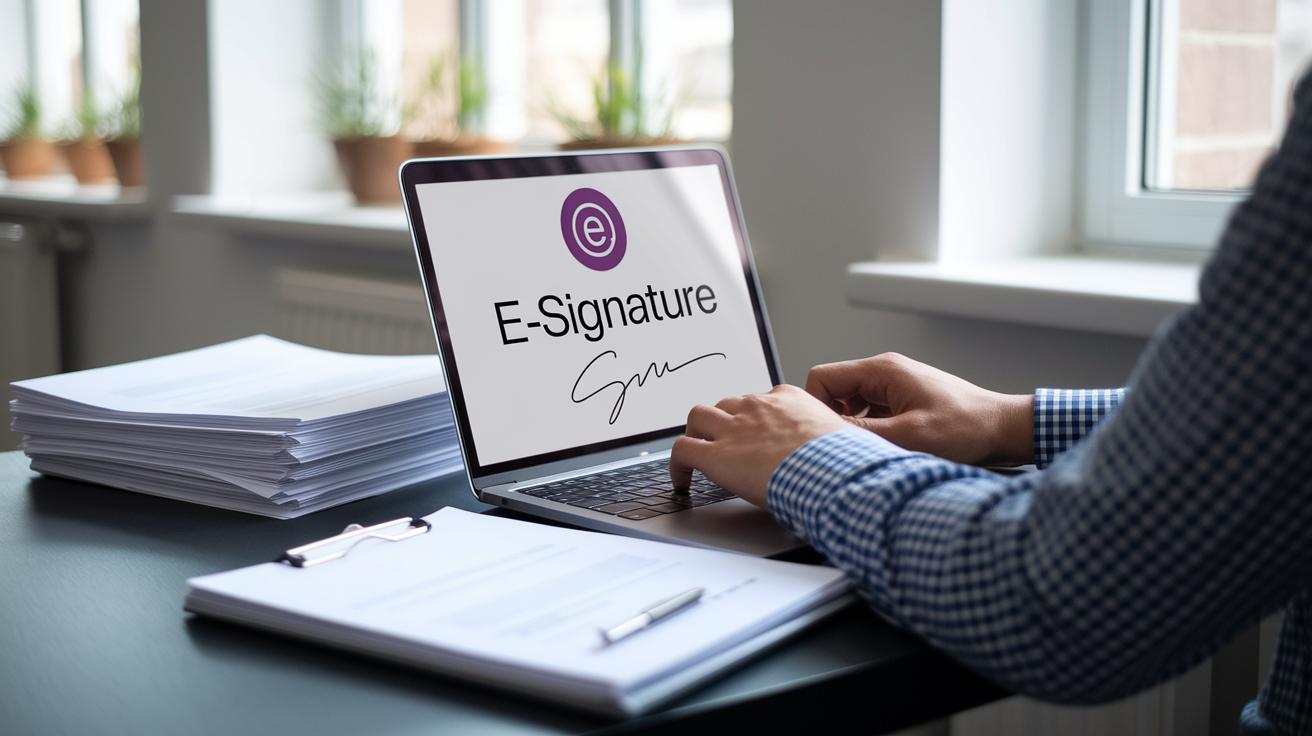
Setting up an online legal signature system is straightforward if you follow these five simple steps. First, pick a platform that fits your needs. Next, verify the signer’s identity (this means making sure they are who they say they are). Then, capture the signature, whether it’s a click, a typed name, or digital ink, to show they agree with the document’s terms. After that, record the signing details with a time and date log. Finally, store the signed document safely in a secure system with backups, kind of like building a strong chain where every link counts.
- Use trusted e-signature providers for reliable service.
- Train signers so that everyone understands the process.
- Keep several backups to ensure the records are never lost.
- Run regular checks to keep the system secure.
- Set up role-based access so only the right people can view or change documents.
Following these steps and best practices makes creating a secure online signing process easy to manage. With smart planning and dependable methods, every digital signature becomes a trusted legal mark that holds up in any transaction.
Legal Signature FAQs: Addressing Common Questions and Challenges

Legal signature FAQs break down the details behind enforceability and clear legal acknowledgment in a friendly way. These questions and answers guide you on best practices and steps that act as a safeguard against fraud, making sure that every signature is legitimately recognized.
-
Is an electronic signature as valid as a handwritten one?
Yes, an electronic signature holds the same legal standing as a handwritten one when it meets the necessary legal requirements, showing clear intent and agreement with the document's terms. -
Which documents are excluded (e.g., wills, court orders)?
Documents like wills and court orders are usually kept out of electronic signing to provide extra protection for these sensitive records. -
How is signer identity legally confirmed?
Generally, identity is confirmed using methods such as two-factor authentication or digital certificates (which are secure, digital IDs). These steps help reduce the risk of fraud. -
Are cross-border electronic signatures enforceable?
Yes, if a cross-border electronic signature follows both local and international legal standards and includes proper authentication and record-keeping, it can be legally enforced. -
What can invalidate a signature?
A signature might be invalidated if the document is changed after signing, if there's unclear consent, or if there are problems with the authentication process that call its legitimacy into question. -
How long must signed records be retained?
The time for keeping signed records varies by location and document type, but they typically need to be stored for several years to meet legal requirements and assist in any future disputes.
Final Words
In the action, this article broke down the key elements that make a legal signature valid in U.S. law. It explained how intent, signer identity, and record keeping work together to create a legally binding mark. We compared different signature methods and mapped out the federal and state guidelines. The piece also provided clear steps for setting up a safe, compliant signing process. Keep exploring these insights and stay confident in applying precise legal signature practices for a brighter professional future.
FAQ
Is an electronic signature as valid as a handwritten one?
The electronic signature is considered as legally binding as a handwritten one. U.S. law gives both equal standing when they meet statutory signatures requirements, including identity verification and record keeping.
Which documents are excluded (e.g., wills, court orders)?
The exclusion list for electronic signatures includes documents like wills and court orders. These require special formalities that do not align with standard electronic signing methods.
How is signer identity legally confirmed?
The signer identity is confirmed using methods such as two-factor authentication, digital certificates, and biometric scans. These measures help verify that the mark comes from the intended party with clear consent.
Are cross-border electronic signatures enforceable?
Cross-border electronic signatures are enforceable when they adhere to both local and international legal standards. They remain valid as long as the signing process meets the necessary legal requirements for consent and identity.
What can invalidate a signature?
The signature can be invalidated if it lacks clear consent, proper identity verification, or compliance with legal processes. Any failure in these areas undermines its legal validity.
How long must signed records be retained?
The retention period for signed records is set by statutory guidelines, often aligning with the statute of limitations. Retaining these records ensures they remain accessible for any future legal review.