




Ever feel like legal problems are too expensive? You’re not alone. Many folks get overwhelmed when legal issues come with a high price tag.
But here’s some good news: free legal help might be just what you need to stand up for your rights. Services such as CTLawHelp.org and South Carolina Legal Services are available to lend a hand. With just a quick call, you can get advice on civil matters (issues that aren’t criminal) and learn your options.
It’s like having a friendly guide in the sometimes confusing world of law, helping you get fair and equal treatment. So, next time you’re feeling stuck, remember that support is closer than you think.
Locating Free Legal Assistance Programs Across the U.S.

Getting free legal help can be a real lifesaver when money is tight. One great example is CTLawHelp.org, launched by nonprofit legal aid groups to serve very low-income residents in Connecticut at no cost. Imagine someone saying, "I never thought I’d get the help I needed until I found CTLawHelp.org, a true turning point in my legal battle."
In South Carolina, legal aid takes another friendly form through South Carolina Legal Services. They help low-income residents with civil legal issues (non-criminal matters like contracts or family law) all across the state. If you have a civil problem, just give their intake line a ring at 1-(888) 346-5592. It’s as simple as dialing a number to open the door to community legal clinics.
These statewide services also team up with local groups. For instance, you might explore an "indigent legal services" page to find more help close by. This way, free legal assistance isn’t just a distant idea, it’s a practical resource available right in your neighborhood.
By connecting with nonprofit legal aid and public law programs, people nationwide can access community legal clinics. Every one of these services plays a role in protecting civil rights, proving that no matter where you live, quality legal support is within reach without a heavy price tag.
Free Legal Assistance Eligibility Criteria

Many free legal aid programs use simple income limits based on the federal poverty guidelines, usually around 125 to 200% of those guidelines. For example, CTLawHelp is designed solely for low-income residents of Connecticut, so if you earn less than the specified level, you can get significant legal support at no cost.
South Carolina Legal Services also makes it clear who can get help. They focus on civil legal matters and welcome everyone, even people with disabilities or those who belong to any protected group. This inclusive approach means that if you need legal aid, you can count on them.
In addition to income, you'll usually need to satisfy a few more conditions. You might need to be involved in a civil case, prove your residency or citizenship status, and follow rules about conflicts of interest (when your role in a case might conflict with your interests). They also look at how far along your case is, whether you’re just starting to set up your claim or already deep in legal proceedings.
Think of these requirements as a straightforward checklist:
| Step | Requirement |
|---|---|
| 1 | Income thresholds based on federal poverty guidelines |
| 2 | Involvement in a qualified civil case |
| 3 | Proper state residency or citizenship |
| 4 | Meeting conflict-of-interest rules and case stage criteria |
When I first learned that getting legal help depended on clear, down-to-earth factors like income and the type of case, I felt reassured that these services were meant for people like me.
Applying for Pro Bono Attorney Guidance and Free Legal Assistance

If you need free legal help, start by calling the SC Legal Services intake line at 1-(888) 346-5592. This phone consultation step is key to getting your case registered quickly. One caller shared, "I simply dialed the number and felt relief knowing help was on its way."
Next, head over to the SC Housing Law Center’s guided interview if you’re facing rental or eviction issues. This free consultation lets you clearly explain your situation and submit your application for legal aid. Imagine saying, "The guided questions made it easy for me to present my case without any confusion."
After that, visit CTLawHelp.org’s Self-Help Forms section. Here, you’ll find interview-driven resources to help you fill out your court documents. It’s a great example of how online tools can empower your legal rights. One user mentioned, "Filling out forms online was less intimidating than I expected because the process walked me through every step."
Then, use the guided self-help program designed for filing an Order of Protection without any attorney fees. This option allows you to handle your protective order case on your own while still having access to expert advice if needed. Think of it as having a friendly legal expert by your side during challenging times.
Finally, check out CTLawHelp’s Community Organizations page to connect with local groups offering in-person support. This step is all about linking you to reliable pro bono attorney guidance where it can make a real difference. Each step builds on the one before, making it easier for you to receive well-organized, free legal assistance.
Free Legal Assistance for Family and Housing Matters
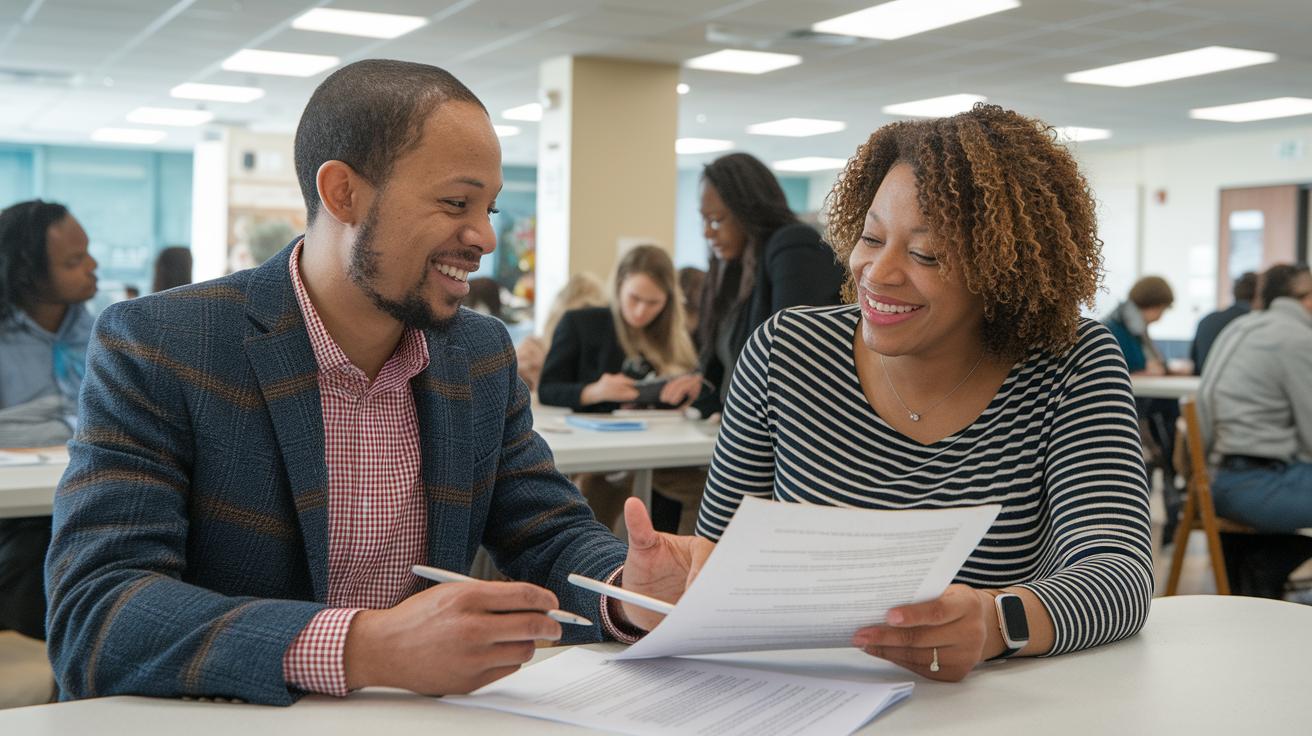
We’ve already covered help with family and housing issues in earlier sections. Here, we add some extra details that may be very useful. For example, if you’re facing eviction, the SC Housing Law Center will walk you through a step-by-step interview and take your call for more details. One client said, “The guided interview clarified my rights and made a tough time manageable.”
Below is a simple table that connects common legal challenges to the free services available. You’ll also find an in-person event listed for domestic violence advice.
| Legal Issue | Free Service Provider | Access Method |
|---|---|---|
| Eviction Defense | SC Housing Law Center | Step-by-step interview & phone intake |
| Domestic Violence Orders | My Sister’s House Clinic | In-person event on 5/23/2025 at 1:30 pm |
| Divorce Filing | CTLawHelp | Online Self-Help Forms |
| Child Custody | CTLawHelp | Step-by-step legal guidance |
Specialized Free Legal Assistance for Veterans, Immigrants, and Elder Law

Veteran Rights Clinics
Veteran rights clinics are here to help for free. They guide veterans through filing VA claims, reviewing military discharge papers, and even organize community events where veterans can share their stories. One veteran said, "My discharge review process was made simple by a friendly local clinic that walked me through every step." These clinics break things down into easy steps so veterans can get the benefits they deserve without any extra costs.
Immigration Support
If you're an immigrant in need of legal help, there are programs that offer free asylum advice and family petition support. Organizations like CTLawHelp and SC Legal Services provide clear, step-by-step self-help asylum forms to simplify confusing paperwork. One immigrant shared, "The self-help forms and friendly advice demystified the application process and made it manageable." These services also help with family petitions, making the process easier so families can be reunited without the burden of expensive legal fees.
Elder Law Guidance
Older adults can receive free help with elder law matters such as guardianship petitions, protection orders against elder abuse, and advice on Medicaid (government health insurance for low-income individuals). Elder law programs assist seniors in filling out complex paperwork and give them the confidence to protect themselves from financial harm. One senior explained, "I felt empowered when expert guidance helped me figure out my Medicaid options without any cost." This caring support makes legal help clear and accessible, ensuring that older adults can protect their rights and feel secure about their future.
Community Pro Bono Clinics and Virtual Free Legal Assistance

Local legal help is just a few clicks away. CTLawHelp runs a digital resource center that includes self-help interviews and a directory to connect you with nearby clinics. It’s like having a friendly guide who helps you fill out legal paperwork step by step, showing you exactly where to get free legal support.
SC Legal Services keeps you in the loop with updated schedules for in-person clinics and community legal events. Need a face-to-face meeting with a legal expert? They make setting up appointments easy and straightforward.
Both services also offer remote assistance. Whether you prefer filling out guided web forms, talking over the phone, or getting help by email, legal advice is available wherever you are.
Imagine this: you fill out a simple online form and soon after, a friendly legal expert calls you, ready to help with your legal questions.
24/7 Public Defender Hotline and Free Legal Advocacy

South Carolina Legal Services is here to help with your legal challenges. You can call their free hotline at 1-(888) 346-5592 any time of day or night. They offer support for urgent civil issues and provide free public defender consultations for those who qualify in criminal cases.
This hotline is all about giving you quick legal help when you need it most.
- Available 24/7 to assist in crisis situations.
- Offers free legal advice whether you’re dealing with civil issues or a qualifying criminal case.
- Helps you figure out your options, like when you wonder, "What's the difference between a public defender and a private attorney?" or "How do they vary in terms of resources and approach?"
Final Words
In the action, this post laid out a clear path for finding free legal assistance. We broke down how to use online forms, telephone help, and in-person clinics to access support for family, housing, veteran, and immigrant matters. It also explained how income and case criteria shape eligibility so you can get the right guidance quickly. Every bit of this guide aims to give you accessible, reliable help so you can feel confident and ready to use the available free legal assistance.
FAQ
Q: What free legal advice hotlines are available 24/7 in states like Ohio, Florida, and Texas?
A: The free legal advice hotlines operate around the clock in these states, connecting you to community legal clinics and nonprofit services for immediate legal consultations and urgent civil matters.
Q: How do free legal services support low-income families?
A: The free legal services support low-income families by offering court representation and free consultations through nonprofit and state-funded programs, helping resolve civil legal issues without charge.
Q: What are free legal aid services near me?
A: The free legal aid services near you help you connect with local community legal clinics and state programs; online directories often guide you to no-cost legal assistance in your area.
Q: How do free lawyer consultations over the phone work?
A: The free lawyer consultations over the phone use telephone hotlines and guided interviews to quickly assess your legal needs and connect you with pro bono legal representatives.
Q: What free legal advice options are available online in Michigan?
A: The free legal advice options in Michigan offer online access through digital self-help interviews and email consultations, enabling you to receive legal guidance without office visits.
Q: What is the term for not being able to afford a lawyer?
A: The term is indigent legal services, a system that provides free or reduced-cost legal representation to individuals who cannot pay for private attorney fees.
Q: Does Florida offer free lawyer services?
A: The free lawyer services in Florida are available to eligible low-income residents through state-supported legal aid programs and nonprofit organizations that offer free representation in civil cases.