


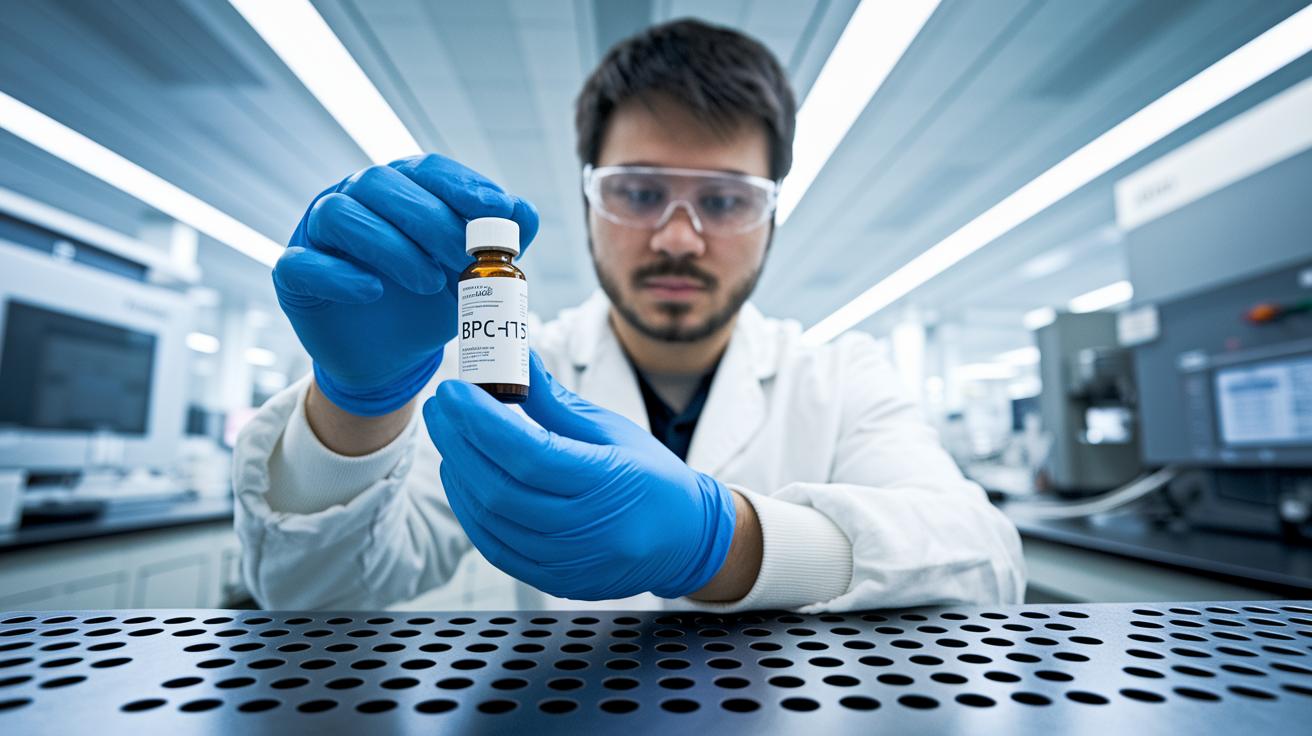
Ever wonder why BPC-157, a compound known for helping wounds heal, is so tightly controlled by the government? Many believe it can speed up recovery in tissues and muscles, yet the Food and Drug Administration (FDA, the agency that ensures our medicines are safe) sets high standards before giving its full approval. Think of it like assembling a puzzle, each piece must snap perfectly into place before the whole picture comes together. In this article, we break down its current legal status, explain why thorough testing is needed, and share what these rules mean for both users and researchers.
Regulatory Classification of BPC-157 in the United States

BPC-157 is a small peptide made up of 15 amino acids. Many people are excited about its potential to help heal wounds, muscles, tendons, and nerves faster. Research has shown some promise, but the FDA still says it needs more study before it can be fully approved.
The FDA hasn't banned BPC-157, but it does place the peptide in a category that requires more safety tests and human clinical trials. This means researchers and practitioners can explore its benefits, but it remains unapproved for therapeutic use. If anyone tries to market it with healing claims without FDA approval, it's legally considered an unapproved, misbranded drug. Think of it like trying to finish a puzzle, until every piece fits with solid evidence, the FDA can’t give a final thumbs-up.
The FDA demands strong, well-controlled clinical trial evidence that shows clear benefits with little risk. Right now, most of the data on BPC-157 comes from animal studies and personal stories instead of large-scale human trials. Because of this, there are strict rules on how it can be sold, distributed, and compounded across the country. In short, any healing claims about BPC-157 need to be backed by careful research and stricter adherence to FDA guidelines, and its legal status remains under review.
bpc-157 legal: Clear Regulation Status
In California, the rules for making peptide compounds like BPC-157 are tougher than the federal guidelines. The state pharmacy boards require that these unapproved peptides be mixed only for approved research or clinical tests. This tighter control exists because there haven’t been enough clinical trials or safety data to back these compounds. So, if you’re preparing peptide mixtures in California, you must follow extra safeguards. Even a small misstep could trigger an enforcement action from state regulators who watch over these practices closely.
In other areas, the rules might seem a bit more relaxed but still require you to stick to local laws. Research labs and clinics need to document every step of their process to prove they are following state peptide laws and standards for bioactive compounds. If BPC-157 is compounded outside of approved methods, penalties from state pharmacy boards can arise. Institutions are advised to partner closely with local regulators, making sure every phase of their compounding process meets all legal norms. This careful method helps cut down legal risks while still backing solid scientific research.
International Perspectives on BPC-157 Legal Frameworks

In Europe, BPC-157 is seen as a new kind of medicine. Regulators insist that any peptide claiming to help must go through the European Medicines Agency to get approval. Without this official nod, BPC-157 remains off-limits for consumers even though research continues. This strict check ensures that clear results from human trials and solid safety data back up any new treatment, all to keep people safe while still fostering innovation.
In Canada, the rules work much the same way. Health Canada treats BPC-157 as an unapproved drug. This means you can’t sell or distribute it without first submitting a formal New Drug Submission. Companies need to provide detailed clinical evidence and a full safety review before they can clear the way to market. It’s a cautious approach that mirrors concerns seen around the globe about new peptides without enough safety data.
Across the world, most regulators demand thorough testing and clear benefits for patients before a peptide can be approved. In some areas, BPC-157 is only allowed for research under very strict guidelines, keeping it out of general use. These differences highlight how regulators are trying to strike the right balance between encouraging scientific study and protecting public health.
Legal Sourcing, Importation, and Compliance Practices for BPC-157

If you’re considering getting BPC-157, it’s important to stick to legal methods and follow all the proper steps. Importing this peptide for personal use or research without the proper approvals can break federal laws, which might lead to the product being seized and fines being issued.
Clinics and telemedicine providers often avoid these risks by offering approved peptide versions or by getting special research permissions from Institutional Review Boards (IRBs), which review research plans to ensure safety. A smart move is to work with licensed pharmacies that mix peptides according to FDA and state guidelines. This way, you can feel confident that you’re on the right side of the law.
Always remember to check the latest FDA import alerts and partner with trusted suppliers. Here are some key points to keep in mind:
- Confirm that your supplier has a valid compounding pharmacy license.
- Check FDA import alerts before placing international orders.
- Obtain peptides through IRB-approved research channels whenever possible.
- Keep all documentation, like prescriptions and import permits, on hand.
- Verify that the product has been tested by third-party labs and comes with a certificate of analysis.
Taking these simple steps can help reduce legal risks and build a solid foundation for safely sourcing BPC-157. By following these guidelines, both practitioners and researchers can legally obtain the peptide while meeting federal and state regulations, supporting secure healthcare practices and responsible progress in peptide research and therapies.
Controversies, Ethical Issues, and Future Legislative Trends in BPC-157 Law

Many health experts are still debating whether strict rules on BPC-157 limit access for patients who might really benefit from its healing properties. Some feel that this cautious approach holds back a promising treatment, one that animal studies and personal stories have supported, while others say that we always need solid safety data from human trials first. You might have heard whispers about big pharma influence, but clear evidence is yet to show up.
Lawmakers are now weighing these issues, trying to balance patient access with safety concerns. They’re exploring changes that could allow new treatments while keeping risks in check. Here are a few ideas on the table:
- New standard rules for clinical trials on peptides (short chains of amino acids used in treatments).
- Reclassifying some research-only peptides under strict controlled substance guidelines.
- Requiring more openness about studies funded by the industry and about how lobbying is done.
Looking ahead, it seems legislators want to boost safety without smothering innovation. Over time, this evolving policy could reshape laws for compounds like BPC-157, keeping ethical care and consumer protection firmly in sight.
Final Words
In the action, we broke down how BPC-157 is regulated in the United States, looked at state-specific rules, and compared international approaches. We also mapped out legal sourcing tips and examined ethical debates around this peptide. Step by step, the article showed practical guidance on staying informed about bpc-157 legal issues. This approach gives clear insights to help keep discussions and practices both safe and current. Stay engaged and confident as you apply these legal insights in your work.