




Do patent disputes really bring hope to the market? Lately, legal battles over patents (legal rights protecting new ideas) have everyone talking. Picture a courtroom clash that makes companies rethink how they guard their inventions. Judges and officials aren’t just getting into technical details, they’re working to build trust and fairness in the market. In short, these disputes could help set the stage for a more solid and secure business environment.
Key Patent Dispute Highlights

This section gives a simple run-down of some of the key patent uncertainties making headlines today. It covers cases about patent infringement, safety in patent listings, and shifts in intellectual property rules. Imagine a situation where a device patent faces intense scrutiny, reminding you just how high the stakes can be.
These updates offer a quick snapshot of disputes that might change how companies safeguard their ideas. They also show how judges and officials are stepping in to keep fairness and market safety in check.
- The FTC is now examining Orange Book device patent listings, stirring a clear debate about anti-competitive practices.
- Québec’s Bill 96 will soon adjust rules on using non-French trademarks, impacting commercial signage and packaging.
- In EcoFactor LLC v. Google, the Federal Circuit set clear guidelines on when damage experts can speak in court.
- Jazz Pharms., Inc. v. Avadel CNS Pharms. refined safe-harbor rules, influencing interpretations under the Hatch-Waxman Act.
- Biogen Inc. v. Neurimmune AG is pressing for a ruling on rights over a bispecific antibody.
- The PTAB recently rejected an AI-based medical tool patent on eligibility grounds, changing how we assess new tech inventions.
These cases show that today's legal fights are not just about technical details, they help set the tone for fairness in the market. Each decision can change how companies manage risks and plan their innovations, with many sectors watching every move.
Patent Infringement Proceedings: Case Summaries

In Jazz Pharms. Inc. v. Avadel CNS Pharms., the case looked at how the safe harbor rules under the Hatch-Waxman Act work. The parties asked if these rules could protect the defendant from an injunction while still respecting the patent holder’s rights. The judge pointed out that injunctive relief really hits its limits once the safe harbor rules come into play. This case shows us that even long-standing legal rules need fresh looks as technology and markets change.
In Biogen Inc. v. Neurimmune AG, Biogen asked the court to decide on May 13, 2025, who really owns a bispecific antibody patent and what protection it offers. This suit digs into the tricky details of biotech patents, where both the science and the stakes can be very high. The judge reviewed technical evidence along with earlier decisions to help figure out the true boundaries of patent ownership in advanced medical research.
In the University of California Regents v. Broad Institute matter, a dispute over who got the CRISPR-Cas9 breakthrough was sent back to the Patent Trial and Appeal Board for a full interference review. At the same time, another licensing case brought up a counterclaim about misuse that gave the Court of Appeals for the Federal Circuit the power to step in. Recently, the Federal Circuit also ruled in a way that limits how a patentee can stop a defendant from using an invalidity defense during inter partes reviews (a process where patents are challenged). These cases highlight how legal strategies and rules can shift quickly in the world of patent law.
Key Federal Circuit Rulings in Patent Law Disputes
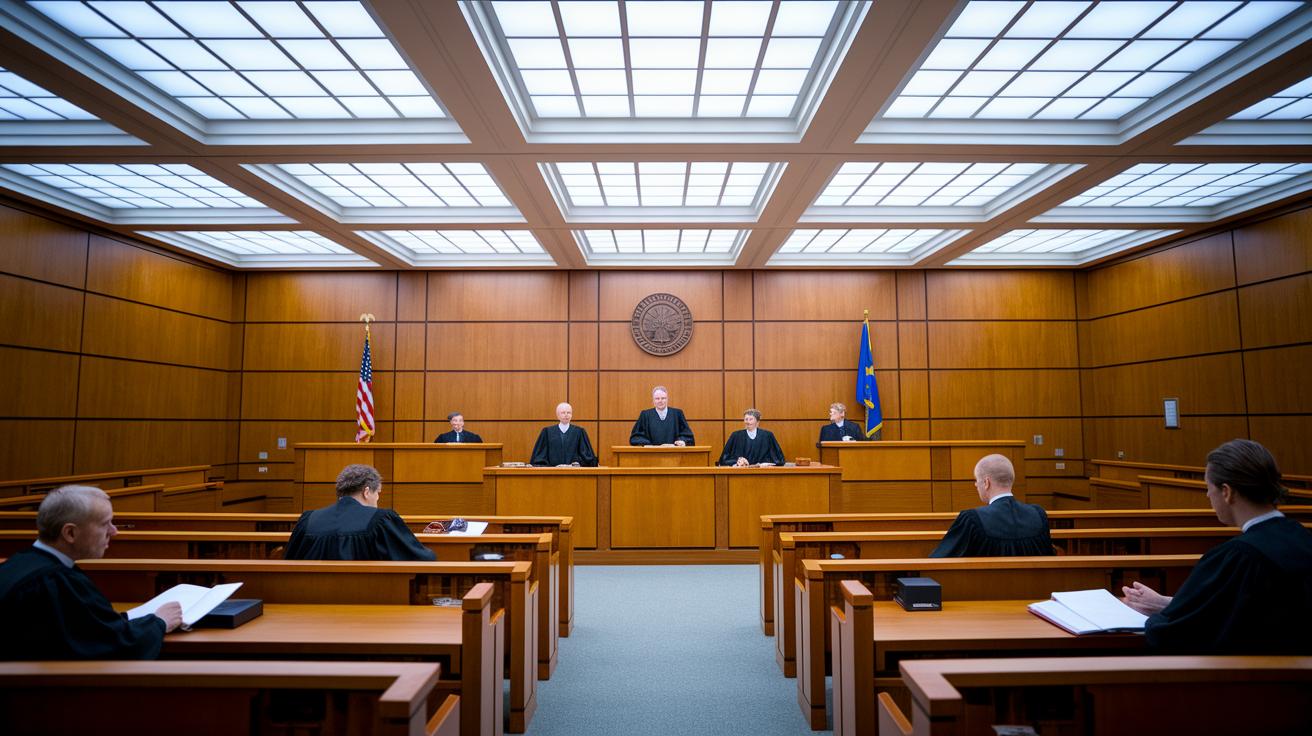
The Federal Circuit is setting key benchmarks that change how patent cases are handled. Every decision helps clear up the rules about what evidence can be presented and how experts can share their opinions in court. It's like having a clear roadmap for future disputes, which means everyone needs to pay attention.
They've issued rulings on whether expert opinions can be used (this is known as expert admissibility) and have tightened the use of estoppel (a legal rule that stops parties from arguing the same point twice) in inter partes reviews. And they’ve even offered a clear, step-by-step approach for preparing appeal briefs. Plus, district courts now have a stronger role in reviewing technical expert testimony during infringement trials.
| Case | Date | Key Holding | Impact |
|---|---|---|---|
| EcoFactor LLC v. Google LLC | May 2025 | Set clear guidelines for how experts should assess damage (Rule 702 explained) | Creates stricter rules for expert testimony |
| Estoppel Narrowing Ruling | April 2025 | Limited the use of estoppel in stopping claims of invalid patents | Makes defenses based on past decisions less effective |
| Divide and Conquer Strategy | March 2025 | Outlined a step-by-step plan for drafting appeal briefs | Helps lawyers prepare appeals in a more organized way |
| District Court Oversight Guidance | June 2025 | Increased the review of technical expert testimony during infringement cases | Ensures consistency in trial proceedings |
These decisions are changing the way lawyers build their cases. By clearly setting the rules for expert testimony and limiting the use of estoppel, the court is nudging legal professionals to rethink their strategies. The step-by-step guide for appeals makes the process more straightforward, and stronger court oversight means technical evidence is handled more reliably during trials. In short, these rulings are reshaping how patent disputes move forward and giving everyone a clearer legal map to follow.
US Patent Trial and Appeal Board Developments and Eligibility Trends

Recent PTAB decisions show that the rules on eligibility are shifting. They rejected a patent for an AI medical tool not because it was missing new features but because it didn’t meet the clear-cut eligibility criteria. This move builds on past decisions by stressing that having technical details explained clearly and backed up by solid data is now crucial. Imagine telling a friend, "Eligibility is like the hurdle that tests if every technical detail in your invention is clear enough to pass."
In another case, the PTAB changed its interpretation of a claim for an X-Ray imaging patent. This decision adds fresh insight into how precise technical language is used. Also, the Federal Circuit recently limited the use of patentee estoppel (a rule that stops a patent owner from arguing something contrary to previous claims) after PTAB inter partes reviews. Think of it like this: every word in a patent is like a line in a well-scripted play, each one helps set the stage and can change the whole performance.
Biotech Patent Law Dispute News

The reopened interference in the University of California Regents v. Broad Institute CRISPR-Cas9 case shows new market shifts. Instead of repeating old details, think about how clear legal rules can push investors toward companies with solid intellectual property plans. Fun fact: one biotech firm saw a 25% boost in investor interest before nailing down its major patent, totally reshaping its market game.
Biogen Inc.'s lawsuit against Neurimmune AG over patent rights for a bispecific antibody (a medicine that targets two proteins) marks a fresh legal strategy for protecting innovative treatments. This case isn’t just about who gets the patent. It also points the way for clearer laws that could help secure research and development rights and smooth the path from idea to market. Imagine building your case step by step, like fitting together puzzle pieces that boost confidence in the market.
GlobalData’s report shows a drop in patent filings in sectors like aerospace, defense, and security. This trend makes us wonder how biotech firms might use inventive legal tactics to turn challenges into opportunities and secure funding for breakthrough treatments. Picture a biotech startup rethinking its patent plan when filings dip, transforming obstacles into a powerful competitive edge.
Emerging Trends in Patent Litigation Innovation and Dispute Resolution

Many companies are rethinking their approach to building patent portfolios. Experts say that a well-designed portfolio works like a safety net for new products. It helps protect fresh ideas and boosts investor confidence. In simple terms, it lets businesses manage risks better and build strong defenses against claims of infringement (using someone else's idea without permission). Think of it like designing a blueprint for success, each patent is a building block that both safeguards your ideas and opens doors to new market opportunities. Industry insiders suggest taking a close look at these portfolios now and then, adjusting them as market conditions change.
Artificial intelligence is also making a big difference in resolving patent disputes. AI tools are helping to speed up research and flag potential infringement risks. Picture an AI system that sifts through mountains of technical documents, looking for small details that could lead to legal issues. Whether in a courtroom or a boardroom, these tools are making it easier to decide what's fair use and catch patterns that might otherwise slip by unnoticed. Webinars and industry talks now focus on using AI for patent prosecution and dispute strategy, showing how technology can lead to smarter and more efficient legal processes. This shift is changing the way cases are handled and strengthening the protection of intellectual property for tomorrow’s challenges.
Expert Commentary and Judge Insights in Patent Disputes

Federal Circuit experts point to a careful, segmented method discussed in key rulings. They break cases into clear, distinct parts, which helps remove confusion and makes sure every claim is backed by strong evidence. Analysts even compare this approach to fitting together puzzle pieces, where every piece helps complete a consistent picture, a view that echoes earlier case summaries.
Judges weighing in on patent licensing disputes and misuse counterclaims (claims that allege improper use) stress the importance of describing each claim accurately and reviewing technical evidence with care. This orderly, step-by-step process, seen across patent infringement cases, keeps oversight balanced and matches what Federal Circuit experts have long recommended.
Economic Impacts of Patent Law Disputes

Recent studies from GlobalData show that patent filings in the aerospace, defense, and security sectors have dropped in 2024. This decline has sparked questions about how competitive these markets really are and slowed the process of checking new technologies. Big legal battles over patents (disputes over ownership of inventions) now play a key role in how companies spend money and protect their ideas.
Market responses to these big legal fights have been mixed. Stock prices sometimes change quickly when news about patent battles comes out. And while fewer filings worry some, successful legal wins have boosted market confidence. Investors are watching closely because these shifts can signal changes in industry trust and hint at what new products might soon hit the market.
Final Words
In the action, we explored key updates from patent dispute highlights, infringement case summaries, Federal Circuit decisions, PTAB developments, biotech clashes, and emerging litigation trends. Each section broke down complex legal changes into manageable insights, providing a clear picture of today's court decisions and economic shifts. This article helps build real confidence when discussing new cases and legislative updates. Stay tuned to patent law legal dispute news for more clear, expert legal insights that empower practical application and thoughtful discussion.
FAQ
Q: What does intellectual property news cover?
A: Intellectual property news covers updates on patents, copyrights, trademarks and related rights. It provides timely information on legal changes and significant cases to help professionals and the public stay informed on the latest developments.
Q: What is included in patent news?
A: Patent news reports on recent decisions, legal disputes and key regulatory changes affecting patent law. It offers readers concise updates to help them grasp emerging trends and modifications in patent legislation.
Q: What do recent Intellectual Property cases 2024 involve?
A: Recent Intellectual Property cases 2024 involve summaries of updated case outcomes, legal decisions and regulatory shifts. This coverage aids practitioners and stakeholders in understanding the evolving nature of intellectual property disputes during the year.
Q: What does copyright news provide?
A: Copyright news offers updates on changes to copyright laws, key legal cases and market impacts from copyright disputes. It serves creators and legal professionals with straightforward explanations to stay current with their rights.
Q: What topics do current issues in patent law address?
A: Current issues in patent law discuss emerging legal challenges, case summaries and policy updates affecting patent rights. This information helps readers address the dynamic legal environment and adjust their legal strategies.
Q: What distinguishes World IP News?
A: World IP News delivers insights on intellectual property cases and regulatory updates from around the globe. It gives a broad view of international legal trends and how various jurisdictions handle patent, trademark and copyright matters.
Q: What subjects does trademark news cover?
A: Trademark news covers updates on brand registrations, disputes and regulatory reforms. It provides clear insights for businesses and legal experts focusing on protecting brand identity and navigating trademark law changes.
Q: What can one expect from a patent blog?
A: A patent blog features in-depth commentary, case analyses and strategic legal insights on patent law. It offers practical information that assists legal professionals in understanding complex disputes and evolving litigation practices.