



Ever wonder how one small detail can flip a criminal case on its head? In this post, we break down how a clear timeline and solid facts can build a strong case. Think of it like putting together a puzzle, each piece, from the setting background to the roles of witnesses and key events, is essential. Stick with us for straightforward insights into criminal law case analysis that can sharpen any lawyer’s approach and understanding of the legal process.
Analytical Framework for Criminal Law Case Analysis
This framework breaks down criminal case analysis into clear, easy steps that any lawyer can follow. First, it starts with the background, which sets the scene by outlining the case's jurisdiction, economic issues, and political factors. Then it moves to identifying the legal challenges, like if a suspect's rights were ignored or if there are missing pieces in the evidence.
Next, the process builds a factual timeline, laying out every event carefully so nothing is missed. After that, the framework helps structure your arguments by matching the facts with legal rules and past decisions (case law). This step is a bit like putting together a puzzle, each piece matters. Finally, you review the outcome by looking at the verdict and what the sentence means, especially noting how earlier court decisions shape today's reasoning.
For example, when starting a case study, you might say, “Before a key testimony shifted everything, the case relied on minor differences in witness statements.”
Each part of this process flows into the next, ensuring every detail is examined and nothing gets overlooked. This organized approach not only strengthens legal arguments but also helps spot ways to defend or fix weak evidence. Every element, from the background to the final proposal, is documented clearly. For more details, check out the "legal analysis framework explained" guideline.
Structuring a Criminal Law Case Overview
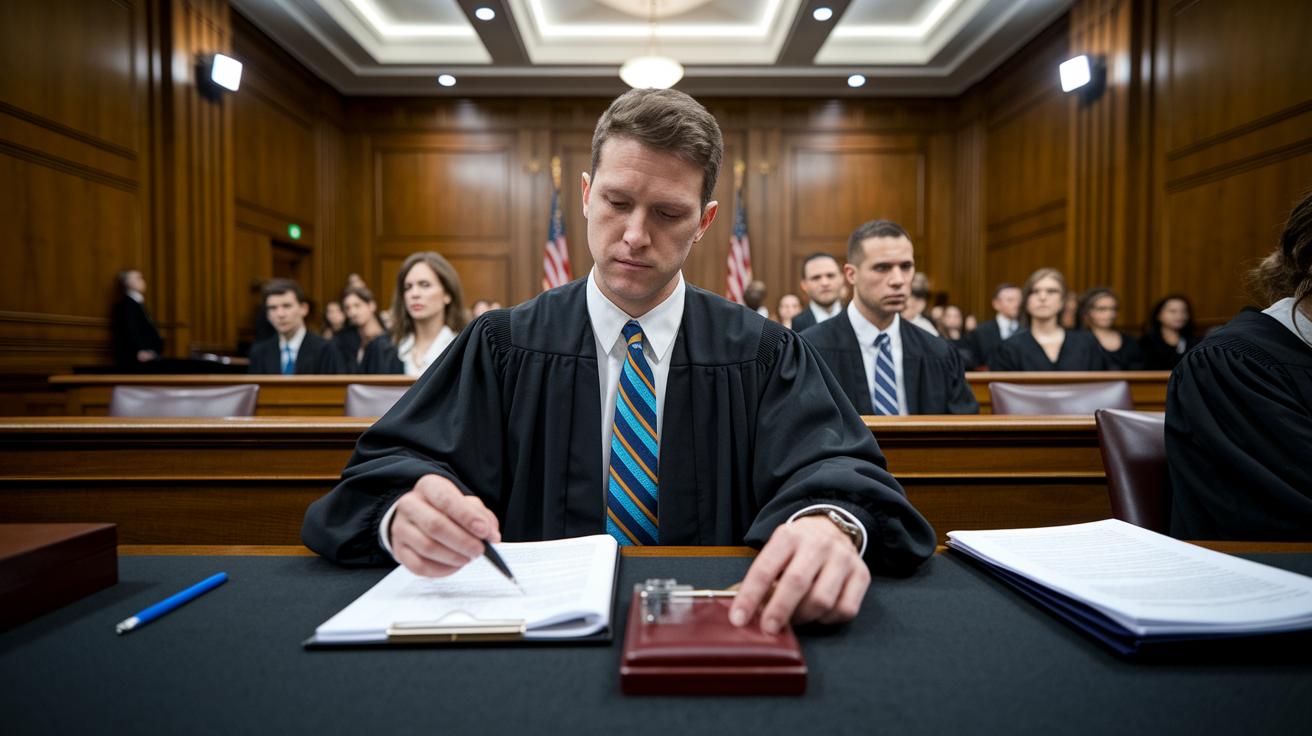
When you start looking at a criminal case, it helps to use a clear plan that covers both the basic legal setting and the unique roles each person plays. You want to break down not just the location and background but also shine a light on what the defendant, victim, witnesses, and counsel each brought to the situation.
Consider these key pieces:
- Background context and legal area
- Who’s involved and what their roles are
- The main legal questions at stake
- A clear timeline of the events
- The central problem or dispute
By mixing the usual background details with a closer look at each party’s role, you create a smooth, engaging story that avoids repeating the same points. For example, you might say, "We saw the defendant's actions come into sharper focus when witness statements revealed specific, timely details."
Evidence and Forensic Report Interpretation in Criminal Law Case Analysis
Every piece of proof – from physical documents and witness stories to lab reports – needs a clear path of custody (a strict way to track evidence). This means that each item is carefully logged from the moment it’s found at the scene until it appears in court. For example, when lab evidence is recorded correctly, it shows that the item was never lost or tampered with. This careful record-keeping is vital to making sure the evidence can be trusted.
Another important piece of the puzzle is how forensic reports are put together. Experts dig into the methods used, the lab standards followed, and the skills of the people who ran the tests. They check if the lab work meets accepted norms and whether the results can be trusted. When a forensic report is well done, it explains complicated scientific details in simple, clear steps – much like breaking down a big experiment into smaller, easy-to-understand parts.
Lawyers also lean on extensive legal databases to check if evidence is allowed in court and if it holds up under close review. These tools help them compare current forensic findings with those from similar cases, ensuring all legal standards are met. Using this easy-to-follow, fact-based approach makes it easier for legal teams to build strong cases. In short, a detailed and clear forensic report can be the keystone in proving the accuracy of important evidence.
Precedent Assessment and Legal Principles in Criminal Law Case Analysis

Attorneys build strong legal cases by referring to past decisions. They start by looking at earlier cases to spot techniques that worked in similar situations. This careful review lets them challenge rulings that don’t favor their client by pointing out differences in the facts or mismatches in legal reasoning. It also shows them which parts of a good argument to strengthen while keeping it in line with the law (the written rules by the legislature). So, comparing previous cases acts as a guide, helping to see how the law and court opinions work together to form a smart strategy.
A detailed look at case law, including insights from sources like criminal legal news (https://humane.net?p=6722), helps legal professionals find possible defenses and sharpen their plans. Checking out court decisions from various contexts widens their understanding and makes it easier to interpret both statutory provisions (laws written by the legislature) and legal doctrines. This method not only builds a stronger case by plugging any weak spots but also deepens the overall argument. By weaving in historical rulings, lawyers get a bigger picture that guides both how they build and contest their arguments.
Outcome Analysis and Sentencing Implications in Criminal Law Case Analysis
Outcome analysis looks at how a verdict matches up with sentencing guidelines. It helps us see if a punishment feels too heavy or too light. Take Graham v. Florida (2010) for instance, here, the Supreme Court ruled that giving life without parole to a juvenile in non-homicide cases goes against the Eighth Amendment (the part of the Constitution that prevents harsh punishments). This review shows whether a court’s decision is balanced within our legal system and gives lawyers useful clues to refine their strategies.
Sentencing decisions do more than just decide an individual's fate; they shape the way the criminal justice system works for everyone. By checking how a verdict fits the rules, legal professionals can tell if sentencing practices meet accepted standards and support solid policy measures. High-profile cases like Graham v. Florida push us to continually rethink and adjust our legal practices so they are fairer. For another look at well-known sentencing cases, you can visit legal case news.
Final Words
In the action, our guide broke the work into clear segments, from background context and key issues to evidence review and precedent assessment. This approach helps build a complete view of every case part, making the steps easier to follow and apply.
By using this practical framework for criminal law case analysis, you gain a step-by-step method that supports confident legal work. Keep learning and applying these insights to strengthen your legal practice with clarity and precision.
FAQ
Where can I find criminal law case study examples in PDF format?
The inquiry about criminal law case study examples in PDF refers to downloadable documents that present case backgrounds, legal reasoning, and outcomes, which help both students and professionals understand detailed legal analyses.
What do criminal law case study examples with solutions provide?
The question regarding criminal law case study examples with solutions refers to materials that include full case details alongside step-by-step answers, offering practical guidance for analyzing legal issues.
What are some well-known criminal case studies for student learning?
The query about famous criminal case studies and criminology examples highlights cases used in educational settings to illustrate legal processes, issue identification, and the practical application of legal reasoning.
How do you analyze a case law?
The inquiry on how to analyze case law means reviewing the case background, assessing legal arguments, and understanding the judge’s decision to determine its influence on subsequent legal matters.
What are the three types of case analysis?
The question about the three types of case analysis refers to breaking a case into background setting, issue identification, and outcome evaluation, providing a structured approach to legal interpretation.
How do you write an analysis of a court case?
The question on writing a court case analysis involves outlining case background, defining key legal issues, mapping arguments, and assessing outcomes to construct a clear and logical narrative of the case.
How do you read a criminal law case?
The inquiry on reading a criminal law case suggests starting with jurisdiction, factual context, and legal issues, then following the court’s reasoning to grasp both procedural and substantive legal principles.