




Have you ever asked yourself if brothels can legally operate? Around the world, the rules differ a lot. Some places, like Nevada, have clear systems that keep a close watch, while many other regions impose strict bans.
In some areas, brothels only get a license if they pass tough health tests and stick to specific location rules. In other spots, most types of commercial sex work are illegal.
In this blog, we break down how different countries handle brothels. We also explain what these rules mean for public health and why some places allow them while others do not. Bright Legal Insights is here to make this complex topic easy to grasp.
Global Overview: Are Brothels Legal?
All around the world, rules for brothels differ a lot. Some countries allow brothels as long as they stick to strict health checks and clear rules about where they can operate, while others ban any type of commercial sex work entirely. Imagine a place where brothels must go through regular health inspections and follow very strict location rules, this shows that there isn’t one single rule that fits every country.
In the United States, the situation is unique. Brothels are only legal in a few counties in Nevada. These counties, typically with fewer than 700,000 residents, let businesses operate as long as they follow tight guidelines, like registering, paying yearly fees, getting regular STD tests (tests for infections), and always using condoms. It’s kind of like a small community system that makes sure every establishment meets all the health and safety rules.
Over in India, the laws are a bit different. Prostitution itself is legal, but activities such as keeping a brothel, working as a pimp, or soliciting customers are illegal. These actions are punished under the Immoral Traffic Prevention Act, 1956 and parts of the Indian Penal Code. Many countries have rules that mix legal and illegal parts of commercial sex work, creating a complex patchwork of regulations around the globe.
Are Brothels Legal in the United States? Nevada’s Unique Model
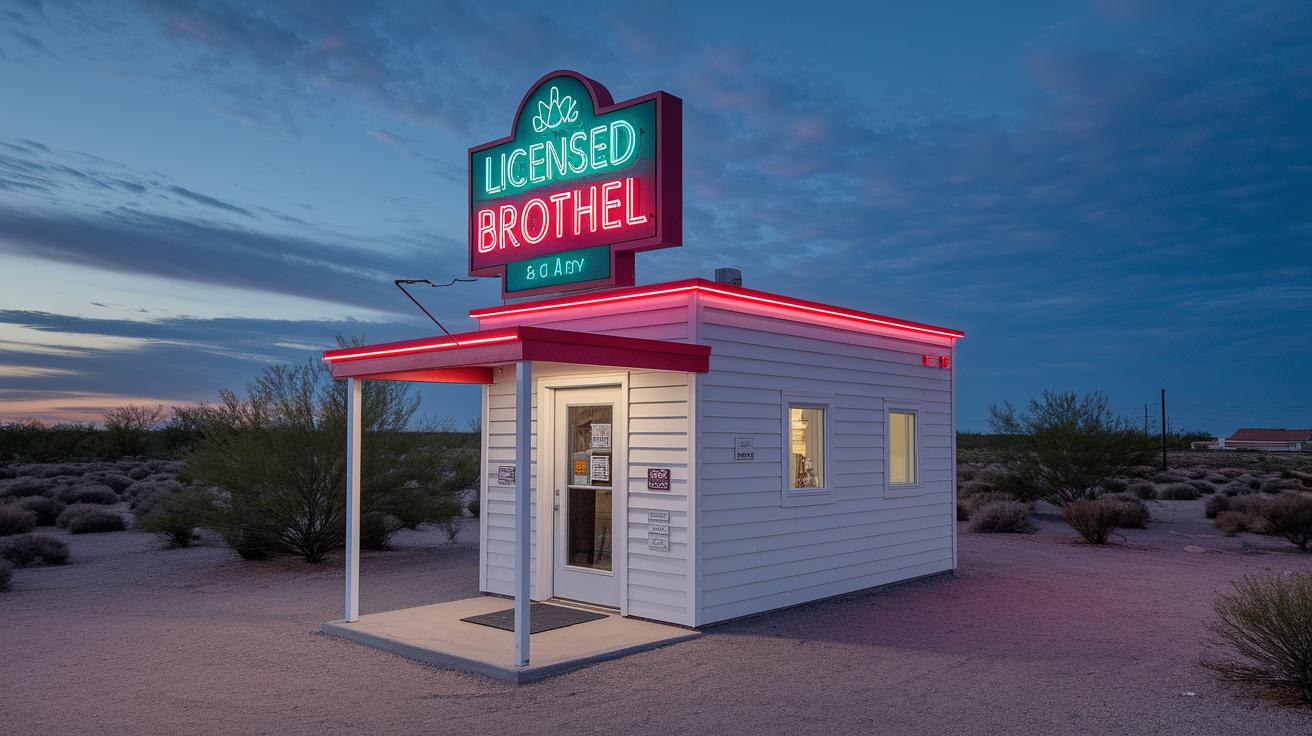
In Nevada, a few counties can have licensed brothels. County rules only allow these establishments in areas with fewer than 700,000 people, which means the law keeps brothels in small, closely watched communities. Here, every rule is like a step in building a case, ensuring each detail is checked to protect health and safety.
Running a licensed brothel in Nevada comes with clear requirements. For instance, owners must register with local authorities, pay an annual licensing fee, have workers take regular STD tests (health checks to monitor for infections), and enforce condom use. Las Vegas in Clark County is left out because its population far exceeds the 700,000 limit. This approach helps balance strict oversight with the community’s needs by keeping brothels away from larger cities.
State-Level Variations and Historical Context of Brothel Legality
Back in the 1700s, brothels were a common sight in early U.S. towns. They were woven into daily life and stood out as one of the few kinds of businesses in emerging communities. People then allowed these places to operate openly, which is a stark contrast to how we view commercial sex today.
Between 1980 and 2009, Rhode Island faced a unique twist. A legal loophole let indoor prostitution happen with much looser rules. Venues offering sexual services could run under vague guidelines that were softer than the bans seen in other states. But then, lawmakers stepped in with new statutes to close the gap. Imagine how one small change in the rules forced an entire community to adapt overnight. This shift not only tightened controls elsewhere but also ramped up efforts to protect workers’ rights.
Today, plenty of states still impose outright bans on brothels. These longstanding prohibitions were in place well before Nevada introduced its strict licensing approach, highlighting clear differences between old, firm bans and newer, highly regulated practices in some areas.
Regulatory Frameworks and Licensing Criteria for Nevada’s Unique Model
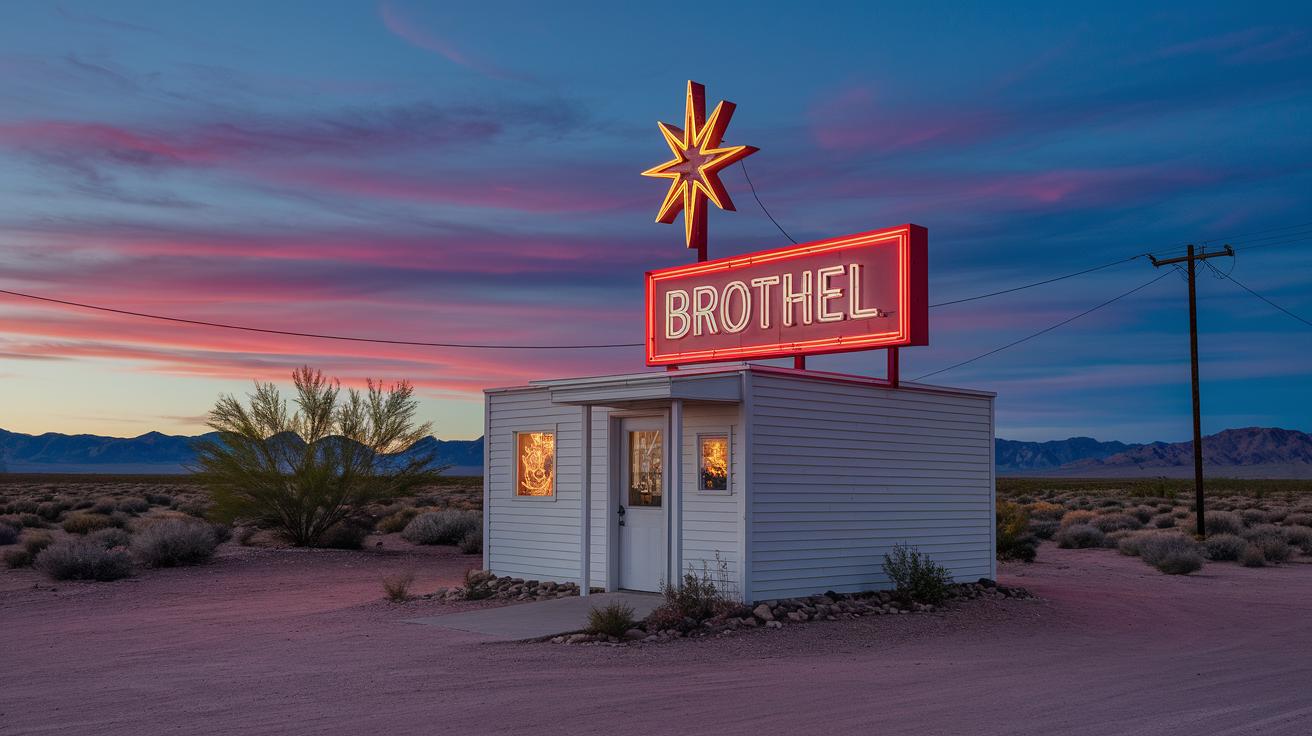
In Nevada, brothels need to go through a detailed licensing process. Owners register with their local county offices, pay annual fees, and provide proof that each worker is of legal age and has agreed to work. This careful registration makes sure that every business is held to the same standard.
Workers are required to take regular STD tests and follow strict health rules. County inspectors visit often to check that safety steps, like using condoms during work, are followed correctly.
Local zoning rules limit where these businesses can operate. They are generally found in rural areas or designated red-light districts, keeping them away from schools and homes. All these steps, from registration to health checks and zoning rules, work together to create a strong legal framework.
- Owners must register with their county offices and verify worker details.
- Annual fees are collected along with documents confirming worker age and consent.
- Regular STD tests protect the health of workers.
- Routine health inspections ensure safety standards are met.
- Zoning rules keep operations in approved areas.
| Requirement | Description |
|---|---|
| Registration | Local county offices confirm the business is in order and check worker age and consent. |
| Licensing Fee | Annual fees help fund oversight and maintain a steady regulatory process. |
| Health Standards | Regular STD tests and inspections secure worker and public health. |
| Zoning Regulations | Businesses are allowed only in designated areas to keep communities safe. |
Comparative Brothel Regulations: United States vs India
Both the United States and India have rules that uphold personal rights while keeping outsiders from running brothels. Let’s break down the main differences.
- In some Nevada counties, brothels must follow local rules that include registration, payment of fees, health tests, and strict zoning laws. In India, consensual sex work is allowed, but managing a brothel is still against the law.
- U.S. rules stress regular health checks and clear, documented consent from workers. In contrast, Indian law focuses on stopping third parties from taking advantage of people.
- In Nevada, brothels face annual inspections and must meet local licensing requirements. Meanwhile, India's system is designed to discourage exploitative practices like pimping and unauthorized police interference.
- Recent court decisions, such as the Kajal Mukesh Singh vs. State of Maharashtra case, have strengthened worker dignity and limited unchecked authority. These rulings remind us that protecting a worker’s rights is as important as keeping public order.
Today, decisions from Indian courts play a key role in how laws are enforced, centering on the protection of sex workers and restricting the management of brothels.
Controversies and Public Policy Debates on Brothel Legalization
Supporters believe that legalizing brothels can make a big difference in worker safety. They argue that with strict health rules and clear inspections, these places become safer, kind of like adding extra layers of proof in a courtroom case. They say that when the industry is brought out in the open, it cuts down on bad practices like trafficking and even helps stop police abuse by giving workers real legal rights if things go wrong.
Critics, however, aren’t so sure. They worry that legal brothels might make harmful practices seem acceptable. Many in the community have moral concerns, and some think that even strong regulations can be sidestepped by those looking to exploit the system.
Here’s a closer look at the key issues:
| Key Issue | What It Means |
|---|---|
| Trafficking Enforcement | Steps to catch and stop human trafficking (the act of moving people illegally for exploitation) |
| Worker Rights | Making sure workers have proper legal protection and safe working conditions |
| Zoning and Community Impact | Balancing how brothels affect local neighborhoods and community values |
Economic, Social, and Public Health Impacts of Legal Brothels
Legal brothels in Nevada help local communities by bringing in extra money. They earn funds through license fees and attract tourists to small, rural areas. That money boosts local shops, services, and public projects, making neighborhoods more lively. Did you know that many small towns see a surge in local business activity every time a brothel opens? It shows how regulated industries can really drive economic growth.
These legal brothels also offer a safer work environment for sex workers. When sex work is regulated, workers get protections that are hard to find in underground settings. Think of it like a sports game with clear, fair rules that help everyone play safely and report any unfair treatment.
From a public health point of view, these establishments play a key role in keeping communities safe. Regular STD tests and strict rules like condom use help lower infection rates. Health inspections and enforced safety measures create an environment where both workers and clients benefit from higher health standards and fewer risky, unmonitored practices.
Future Trends: Decriminalization Movements and Policy Shifts in Brothel Laws
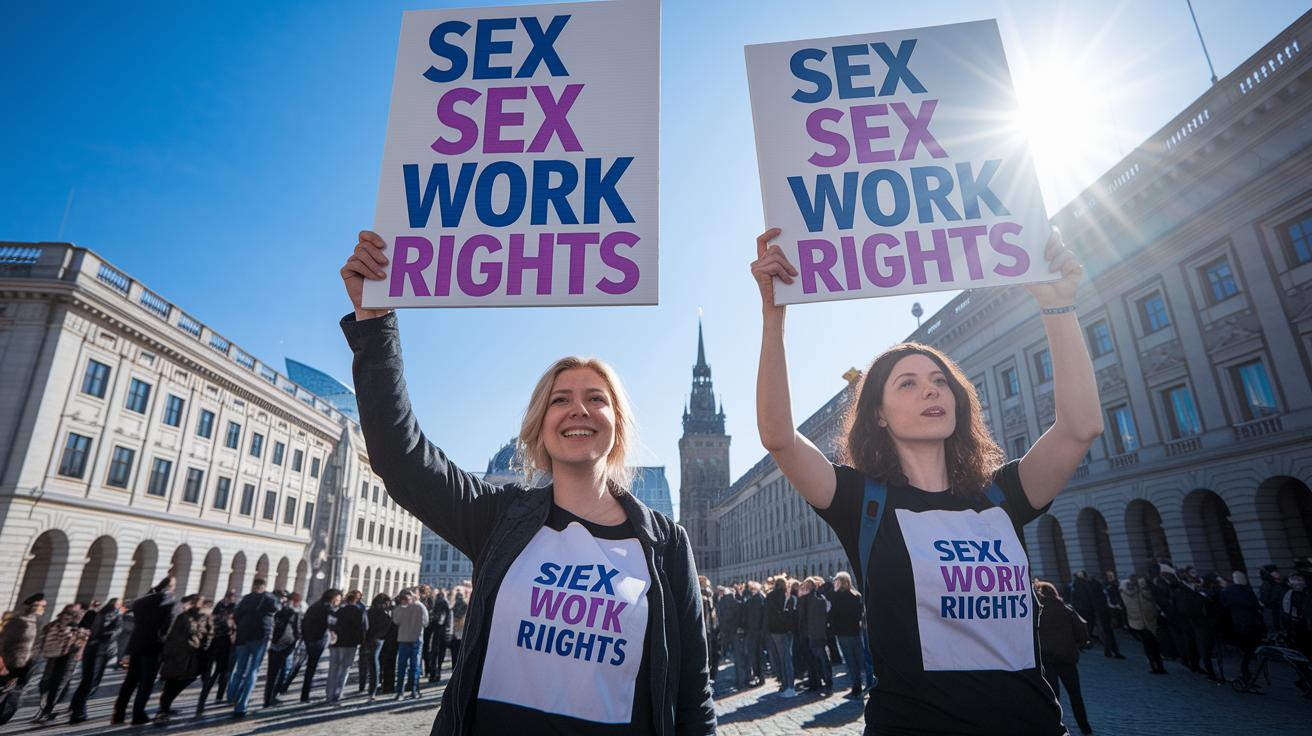
Advocacy groups are urging lawmakers to drop criminal penalties for consensual sex work. They believe that when the law respects workers' rights, it builds a safer work environment, kind of like giving everyone clear rules to follow. Many of these proposals suggest setting up standard licenses, regular safety checks, and stronger measures to stop human trafficking.
State and city governments are starting to make changes. They are working on clear rules and routine reviews that could protect workers better. Some case studies even show that when laws are updated to support ethical practices, safety for everyone improves.
Looking ahead, policy changes might slowly shift towards systems that value openness and accountability. Local leaders are testing ideas where meeting the burden of proof (showing clear evidence) and frequent checks are the new normal. These steps are meant to cut down on exploitation and unfair treatment.
While no big federal changes are in sight, these state efforts could spark gradual improvements. Lawmakers are learning from pilot projects and tweaking rules to protect vulnerable workers, meet local needs, and keep strong practices against trafficking in place.
Final Words
In the action, we traced the shifts in global rules on brothel regulation, focusing on U.S. policies in Nevada and contrasting them with India’s unique legal nuances. We examined historical influences, strict licensing standards, and the impact of modern public debates on these establishments. Insights into economic and health benefits deepen understanding of the challenges and changes ahead. All these aspects help clarify how are brothels legal and set the stage for a future where legal reforms continue to evolve positively.