



Do you ever think one headline can change everything when it comes to white collar crime? Today's news mixes case updates and major legal happenings that really grab your attention. For example, one story told how over 1,200 experts met at a big legal conference, while another detailed charges of obstruction (a crime where someone stops the law from working properly, as defined under 18 U.S.C. 1503). These eye-catching reports make you wonder what justice really means today.
In this article, we take a closer look at these trends, explaining things step by step. We show how clear and engaging news can shape our ideas about white collar crime and even help push for real change.
Overview of White Collar Crime Headline Trends
Recent headlines cover a wide range of topics in white collar crime. They include big event announcements like the STETSON LAW REVIEW 2025 SYMPOSIUM on White Collar Crime in Miami (March 4–7, 2025) where over 1,200 professionals gather, and they also share updates on rules and policies.
Other stories dive into detailed case timelines and important court decisions. For example, take the Menendez case. It began with a meeting in September 2023, and by March 5, 2024, a new charge (called a superseding indictment) was handed down. This charge even included an obstruction count (obstruction means trying to block justice) under 18 U.S.C. 1503. And then there are Supreme Court decisions, cases like Trump v. United States on presidential immunity and SEC v. Jarkesy that required a 6–3 jury trial, which add clear legal details to the narrative.
| Event Type | Description |
|---|---|
| Event Announcements | Dates, venues, and attendance details of big legal symposia |
| Regulatory Updates | Guidance memos and new policy changes |
| Indictment Updates | High-profile cases with precise statute numbers and charges |
| Supreme Court Rulings | Decisions with vote splits and landmark case names |
| Legislative News | Reports on sentencing guidelines and revisions to laws |
These various headline styles are meant to deliver exact legal details while also being engaging. For instance, a headline might start with a striking fact like “over 1,200 professionals attended.” Imagine discovering a single memo that led to major industry changes! This blend of detailed reporting and clear storytelling invites readers to dig deeper into the world of white collar crime, sparking discussions about accountability and change.
Executive Fraud Insights in White Collar Crime Headlines

Headlines that spotlight executive misconduct are always drawing our attention as they expose fraud and insider trading. These stories show us the heavy pressures leaders feel when accusations of dishonesty and financial missteps surface, leading to careful legal reviews.
Stories are now mixing old case details with new insights into executive fraud. For example, one case kicked off serious discussions in September 2023 and later hit a new round of charges in early March 2024. This case now highlights key legal tools, like the obstruction charge under 18 U.S.C. §1503 (a law meant to stop any interference with justice). And then there’s the 6–3 decision in SEC v. Jarkesy along with insights from Snyder v. United States concerning gratuities under Section 666, which help us see how legal rules are evolving.
These news headlines remind us that executives must be held accountable. They pair clear case timelines with thoughtful legal analysis to show how every little detail matters. For example, imagine seeing a headline that reads, "Executive Deception Revealed – One careless remark in a private meeting turned a major fraud investigation on its head."
Corporate Scandal Reporting Patterns in White Collar Crime Headlines
Media coverage now leans on both old-fashioned event announcements and new digital channels. Big legal gatherings like ABA’s 40th National Institute on White Collar Crime in Miami spark lively, real-time chats. Details like dates, venues, and headcounts spread quickly online. For example, live tweets from Miami show over 1,200 experts diving into key compliance talks.
Digital platforms are also changing how policy memos and rules get reported. Today’s articles mix online data with classic news on regulatory shifts, think about memos from AG Pam Bondi on Third Party Settlements and DEI/DEIA discrimination. One digital bulletin even points out fresh trends in law enforcement priorities, sparking quick online reactions and wider public review.
The tone in these reports is straightforward and conversational, fitting well with the speed of digital updates. Regular online posts and social media threads spotlight changes, like the revisions from the Sentencing Commission on acquitted conduct and loss calculations. Really, it’s all about keeping the info timely and easy to relate to, even real-time tweets lay out every twist in an unfolding corporate scandal.
Stylistic Dissection of White Collar Crime Headline Trends
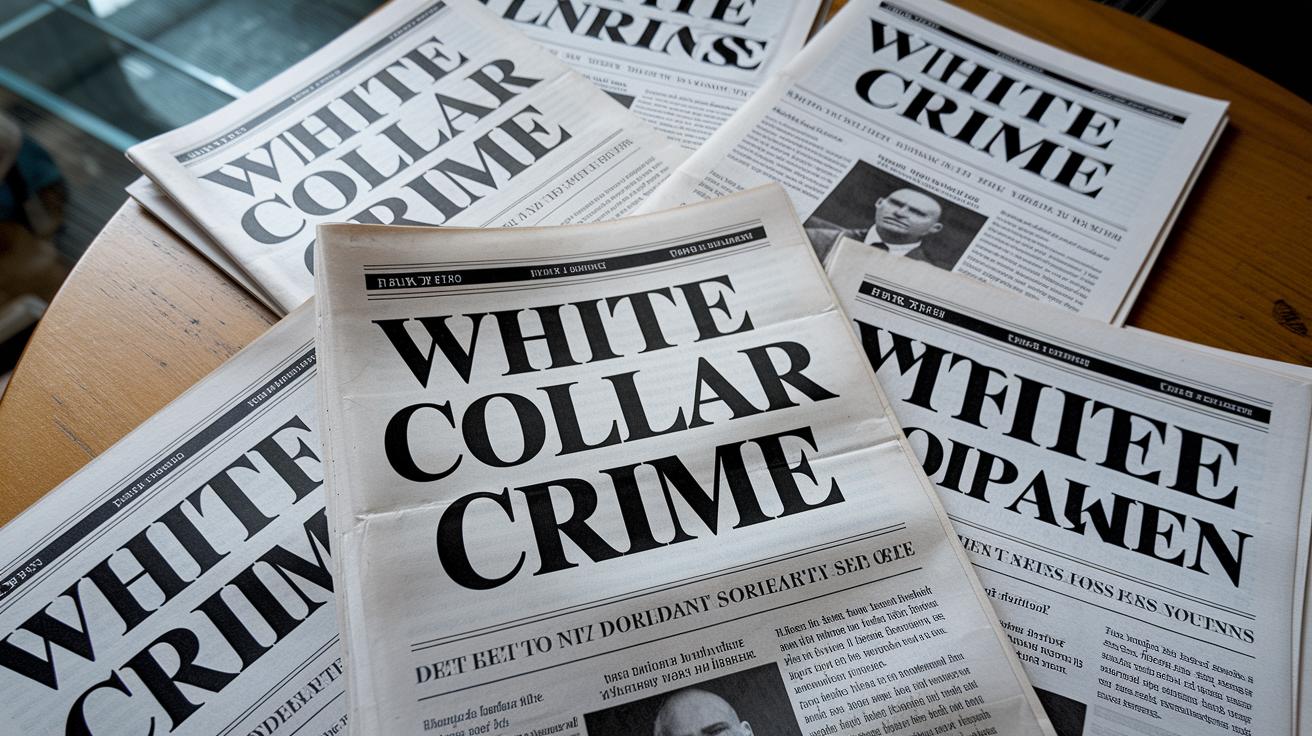
White collar crime headlines have come a long way. They no longer just list legal facts like vote splits and statute numbers. Now, they mix solid details with hints of drama, giving a nod to the old style while showing off modern twists. It's like building your case piece by piece, where every detail matters.
Today's headlines often combine case names with key numbers, mention exact statutes, shine a light on big names in the industry, and use strong action words to show legal outcomes.
Modern reporting teases at the tension behind each decision. Sure, numbers like a 6–3 vote still hold weight, but now headlines also hint at the conflicts simmering behind the scenes. For example, think about a headline that starts with, "In 1985, a 5-4 ruling turned a simple report into a snapshot of legal drama." This new style makes legal news feel alive, mixing straightforward facts with a story that invites you to dig in and explore the deeper implications.
Economic Crime Investigation Narratives in White Collar Crime Headlines
Often, news about white collar crime highlights stories that invite everyday people to help uncover fraud. Programs like the Criminal Division Corporate Whistleblower Awards Pilot Program encourage citizens to come forward with useful tips. These reports lean on older laws, like the Civil RICO Act of 1970 and the False Claims Act (laws meant to fight fraud), to show how one tip can make a big difference. For example, you might see a headline that says, "Civic Duty Rewarded – New Whistleblower Program Spurs Economic Crime Breakthroughs." It’s amazing to think that one tip helped recover millions in misappropriated funds and sparked a call for more community help.
Reports also talk about changes in sentencing guidelines that shape how we see economic crimes. They explain, in clear terms, how courts now figure out what counts as wrongful behavior and how they calculate losses. Imagine a headline that reads, "Sentencing Shake-Up: New Guidelines Redefine Loss Calculations in Fraud Cases." This tells us that legal rules are changing while law enforcement stays flexible and ready to tackle new crime tactics. In short, updating these legal measures is key to ensuring accountability and clear, fair investigations.
Technology-Driven Trends in White Collar Crime Coverage

Lately, headlines are buzzing about how smart computer programs are catching digital fraud. Journalists are discussing how AI tools sift through huge piles of data to spot tricks used in identity theft, phishing, and other money scams. Ever see a headline that shouts, "AI Spots Digital Anomalies, Exposing Hidden Fraud Schemes"? It paints a clear picture by mixing detailed computer findings with real-world criminal acts, making complicated cases easier to grasp.
Then there are the stories about cryptocurrencies like Bitcoin and Ethereum. These digital coins are turning heads by making it harder for regulators to follow the money trail. Imagine a headline saying, "Crypto Conundrum: Digital Currencies Shield Financial Irregularities." This kind of reporting shows the real challenge of tracking digital money, leaving readers to wonder how old-school legal tactics stack up in our modern, tech-filled world.
Blockchain technology pops up in another interesting way. Some reports show criminals using it to create tricky, hidden financial tools, while others highlight its power to keep records untampered, a big plus for law enforcement. Picture a headline like, "Blockchain: Double-Edged Sword in the Battle Against Fraud." This tug-of-war in the headlines tells us that technology can be used for both good and bad, always changing the story of white collar crime.
Forecasting Future Fraud Patterns Through White Collar Crime Headline Trends
White collar crime headlines are buzzing with fresh energy and creative storytelling. News teams are pulling in details about events, court decisions, and new rules in a way that grabs both experts and the general public. It's like watching a puzzle come together, as reporters mix solid research with quick digital updates, they’re sparking conversations about responsibility and change.
Looking ahead, there are three key trends on the horizon. First, stories about crime schemes using AI and crypto laundering will likely be in the spotlight as technology advances. Next, expect a surge in reports on new regulations and agency rule updates that tie policy changes directly to corporate actions. And finally, continuous coverage of whistleblower outcomes and updates to sentencing rules shows a renewed focus on fairness and transparency in these cases.
Trend analysis is a handy tool for journalists who want to stay ahead of these changes. By looking back at past headlines and spotting shifts in focus, writers can tweak their storytelling and predict what’s coming next. In short, this smart use of data not only deepens investigative work but also helps create stories that connect legal experts and everyday readers alike.
Final Words
In the action, white collar crime headlines capture a wide range of topics, from symposium announcements and regulatory memos to high-profile indictments, Supreme Court decisions, and technology-driven stories. They offer a dynamic look at legal reporting that informs and engages.
Exploring white collar crime headline trends shows that legal media adapts quickly to new updates and public needs. This recap inspires optimism and drives us to stay informed, preparing readers to approach legal trends with confidence. Stay empowered by knowledge.
FAQ
What topics do white collar crime headline trends cover?
White collar crime headline trends cover symposium and conference announcements, regulatory guidance memos, high-profile indictment updates, Supreme Court decisions, and sentencing guideline revisions.
How are executive fraud cases depicted in headlines?
Executive fraud headline coverage depicts key timelines, statute-based charges, and detailed vote counts, highlighting legal intricacies and emphasizing accountability in high-level fraud cases.
What distinguishes corporate scandal reporting from other white collar crime stories?
Corporate scandal headlines focus on events like symposiums and regulatory policy memos, contrasting with executive fraud articles by emphasizing overall business misdeeds and widespread institutional impacts.
What stylistic elements drive effective white collar crime headlines?
Effective headlines pair case names with vote splits, reference specific legal codes, spotlight prominent figures or companies, and use action verbs to clearly indicate legal outcomes.
How are technology trends reflected in white collar crime coverage?
Technology trends appear in headlines reporting on AI-enabled fraud, cryptocurrency challenges, and the dual role of blockchain in obscuring and verifying financial transactions.
What future trends are expected in white collar crime reporting?
Future reporting is expected to highlight AI-assisted fraud schemes, crypto laundering cases, regulatory reform efforts, and expanded coverage of whistleblower initiatives and sentencing updates.