



Ever wonder how a courtroom stays fair? Procedural law acts like a clear guide that shows every step, from filing a case to trying it in court. It doesn't decide who wins or loses, but it makes sure the process is simple and fair. Think of each rule as a puzzle piece that fits perfectly to build a smooth case every time. Next, we’ll look at how these legal steps keep your rights safe and build trust in our justice system.
Procedural law: Sharp clarity on legal rules
Procedural law is the rule book the courts follow to manage legal cases from start to finish. It lays out each step, from filing a lawsuit to serving legal documents, gathering evidence, and holding trials, in clear, simple terms to protect your rights. Think of it like an instruction manual that makes sure every part of a case is handled fairly.
This set of rules helps guarantee that every part of a case, from the first filing to the final hearing, sticks to a fair process. For example, legal documents must be delivered on time and in the right way, much like fitting together pieces of a puzzle to complete a picture. The rules also decide which evidence is allowed during a trial, ensuring that everything used helps maintain a just outcome.
The rules come from both federal guidelines, like the Federal Rules of Civil and Criminal Procedure (a nationwide set of rules), and state-specific procedures. Unlike substantive law, which decides who is right or wrong, procedural law tells us how the process should work. Imagine each rule as a stepping stone across a stream; skip one, and the journey to justice might become risky.
Historical Evolution of Procedural Law in U.S. Courts
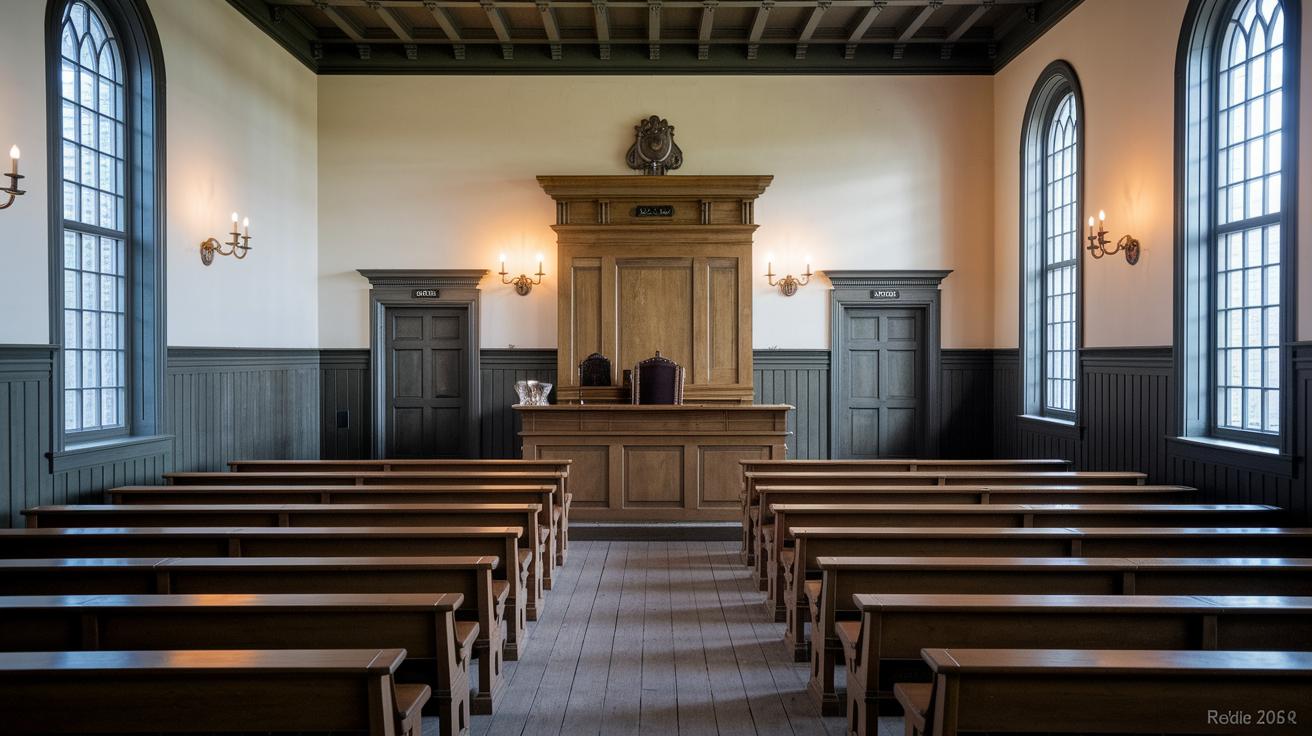
Back in colonial America, early courtroom rules were borrowed from English common law. Think of it like early settlers following familiar English trial steps to keep things fair, even when the legal system was just starting out.
In 1789, the Judiciary Act kicked off a unified federal court system. This act brought together many different local practices into one clear, easy-to-follow plan. Then in 1938, the Federal Rules of Civil Procedure were introduced. These rules made filing complaints, collecting evidence, and running trials much more predictable for everyone involved.
Legal experts, with decades of experience combined, agree that these steps helped make the justice process fairer and more accessible. Each change, from the old colonial practices to our modern rules, has built a system where fairness and clarity guide every case.
Procedural Law vs. Substantive Law: Core Distinctions
Procedural law sets the steps for handling cases in court, from filing to trial, and makes sure that rules are followed fairly. On the other hand, substantive law explains what our legal rights are and tells us what is right or wrong in a dispute. In the Schiro v. Summerlin (2004) case, Justice Scalia pointed out that while changes in substantive law (the rules about rights and responsibilities) can sometimes affect past cases, changes in procedural law rarely do.
When cases are appealed, the focus is often on mistakes made during the process. For example, if evidence that was collected unlawfully is admitted, it can lead to an appeal. Judges will often take a fresh look at legal questions (that’s called de novo review, meaning “from the beginning”) while using an "abuse of discretion" standard (a way to decide if a judge’s error was too serious) for rulings about evidence. This means that even a small error in following proper procedure might not be enough to change a jury’s decision.
Imagine a courtroom where one slip-up in the process can endanger a fair trial. Consider this surprising fact: "A single mistake in submitting evidence has led to convictions being overturned in past cases." This shows just how important it is to follow the right process, even though the basic rights and duties come from substantive law. These differences help guide the way judges review legal cases.
Procedural Frameworks in Civil Litigation
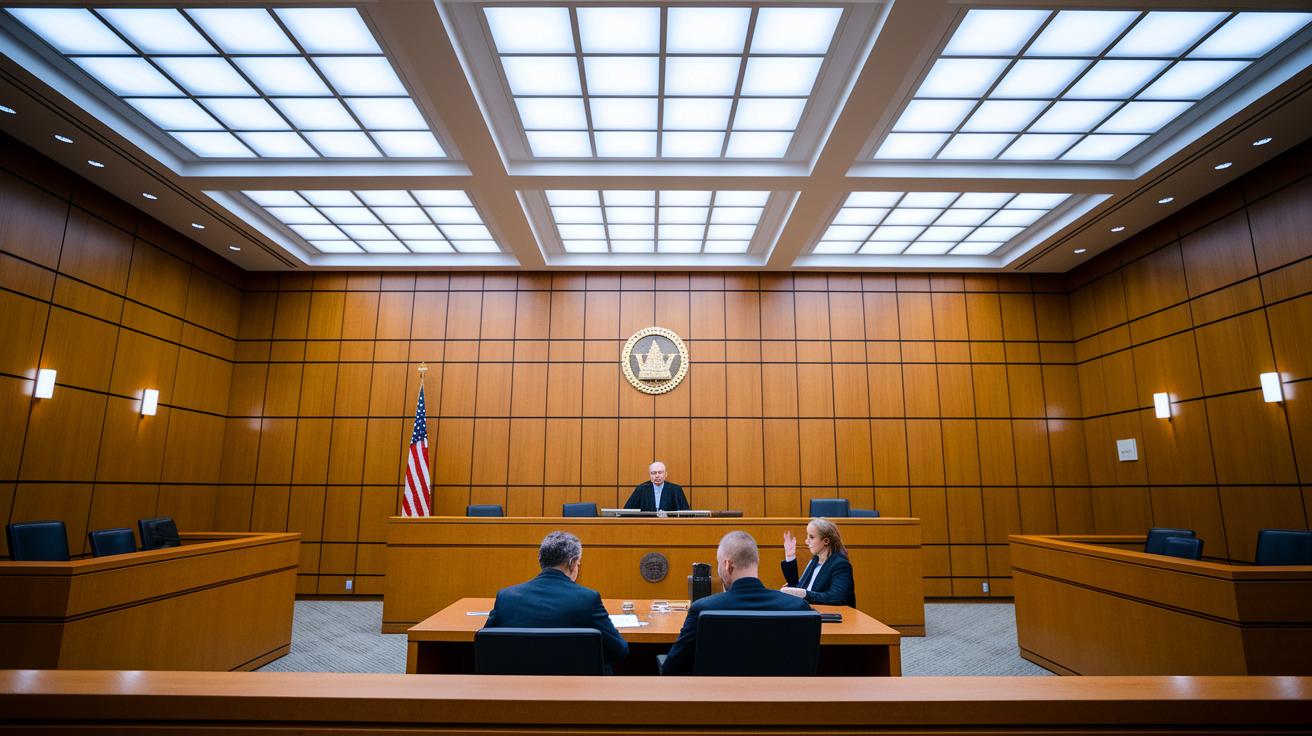
Civil litigation is built on a series of clear steps that guide your case from start to finish. It begins with drafting your complaint using FRCP Rule 8, which means you outline your claim using plain, simple words. This rule sets the strong base for your case. Then, FRCP Rule 4 makes sure that all legal documents reach the right people the right way. Think of these steps as laying a solid foundation for everything that follows.
Next comes the discovery phase, where both sides swap important information under FRCP Rules 26–37. Here, you deal with initial disclosures, written questions (interrogatories), document requests, and depositions. Depositions let lawyers record a witness’s story before trial, sometimes uncovering surprising details that can change the whole case.
After discovery wraps up, attention turns to motion practice. Under Rule 12(b), lawyers may file a motion to dismiss if a claim doesn’t have enough legal support. On the other hand, Rule 56 helps with summary judgment motions when the facts aren’t really in dispute, which might even eliminate the need for a full trial. Often, settlement talks follow this phase, and parties might attend court-run settlement conferences designed to resolve the issue without needing a trial.
This step-by-step process, from filing the complaint and serving documents to sharing information and filing motions, creates a clear, fair pathway through the legal system.
Criminal Case Processing under Procedural Law
In a criminal case, everything starts with arraignment following Federal Rule of Criminal Procedure 10. During arraignment, the judge reads the charges aloud, explains the accused’s rights, and talks about bail. Imagine a defendant hearing the charges for the first time and being told, "Before we go on, you must know your rights." This clear step helps set the stage for fair treatment.
Next, the case moves on to pretrial motions as explained by Rule 12. These motions are key in shaping how the case will proceed. For example, a lawyer might ask to exclude evidence gathered in ways that broke the law (the exclusionary rule stops unlawfully collected evidence from being used). Lawyers might also file motions in limine to argue that some evidence shouldn’t be shown at trial. These moves ensure that the jury only sees evidence that is fair and proper.
When it’s time for the trial, Federal Rule 23 kicks in to guide the process. This part of the case wraps up earlier steps and makes sure every bit of evidence and every argument is examined closely. Courts carefully review what evidence can be admitted so that only legally acceptable information reaches the jury.
If there are disruptions in the courtroom, Rule 42 comes into play with contempt proceedings. These proceedings help keep everything in order by making sure the court and witnesses follow the rules. For instance, if a witness repeatedly disrupts the flow of the trial, the judge may start contempt proceedings to restore a proper, respectful courtroom atmosphere.
Overall, this step-by-step process, from arraignment to pretrial motions and managing courtroom behavior, shows how procedural law works hard to keep criminal cases fair and precise.
Navigating Appellate Procedures and Judicial Review

If you're ready to challenge a lower court's decision, you begin by filing a notice of appeal. This formal document, required by Federal Rule of Appellate Procedure 3 (a rule that sets time limits and guidelines), starts your journey on appeal. It’s like opening a door to a second chance at justice.
Next, you'll need to gather the record on appeal under Rule 30. Think of this record as a complete collection of your case details, transcripts, exhibits, and lower-court filings all together. Appellate courts rely on this thorough record to review every important part of your case.
After that, you prepare your appeal brief according to Rule 28. Your brief should include:
- A clear statement of the issues that pinpoints the legal questions needing answers.
- A solid legal argument that explains your case in simple terms.
- A discussion of the standard of review, which shows how the judges should evaluate your case.
Appellate courts usually start fresh on matters of statutory interpretation (in other words, they take a new look at the law) and also check if there was any abuse of discretion (when a judge’s decision might have been unfair) in the lower court’s factual decisions. This two-part review helps guard against mistakes and ensures a fair evaluation of your case.
Every word in your appeal brief is like a careful brushstroke in a courtroom painting, capturing the details needed for a fair review.
Modern Innovations: E-Discovery and Procedural Efficiency
E-discovery means that anyone involved in a case must save and share digital files like emails and other records. For example, picture a lawyer collecting important emails knowing that these files have to be kept safe and given to the other side, just as required by the 2006 FRCP rules (rules for civil procedure).
Digital case filing systems, such as CM/ECF, make the whole process smoother, from writing complaints to sending legal documents. Imagine a law firm that can file a case from anywhere, with every paper ready to pull up in a snap. This helps save time and cuts down on mistakes that might slow things down.
Now, automated scheduling tools take care of setting trial dates and managing court calendars. They help reduce delays caused by too much paperwork. And with virtual hearings, judges and lawyers can meet online, which eases the rush in busy courts and leads to quicker decisions.
Online court document portals work like digital libraries where anyone can look up case records. This easy access helps keep the legal process open and fair to everyone.
Final Words
In the action, this article took a close look at how rules govern court processes, from filing lawsuits and managing discovery to overseeing trial motions. We explored historical developments, contrasted process with rights-based discussions, and detailed steps for civil, criminal, and appellate cases. Brief insights into modern e-discovery tools further shaped our discussion, making legal procedures more accessible. Stay positive, keep exploring, and confidently apply your insights into procedural law.
FAQ
What is procedural law?
The meaning of procedural law is the set of court rules that guide legal cases from filing to verdict. It explains how documents are moved, evidence is handled, and trials are conducted.
What is the difference between procedural law and substantive law?
The difference between procedural law and substantive law is that procedural law outlines the steps for legal processes, while substantive law defines the rights and wrongs in legal issues. Both work together in a case.
What is an example of procedural law?
An example of procedural law is the set of rules for filing a lawsuit. These rules cover how documents are served and how evidence is presented during a trial.
What types of cases does procedural law cover?
Procedural law spans both civil and criminal cases. It includes specific processes for filing complaints, conducting discovery, managing trial procedures, and handling appeals in each case type.
How can procedural law be used in a sentence?
In a sentence, you could say, “Procedural law sets clear rules for handling court cases, guiding the process of moving from filing a complaint to a final verdict.”
How is procedural law pronounced?
Procedural law is pronounced as pruh-SEE-jur-ul law, with the stress on the second syllable, reflecting its role in guiding legal processes.
Where can I find a procedural law PDF?
You can find a procedural law PDF through legal libraries, government websites, or law school resources that publish detailed guides on court procedures and related rules.