



Ever thought about how a few basic rules can keep our society running smoothly? The legal system might seem complicated at first, but it really works like a well-organized machine. You have written laws (which are clear, set guidelines), courts that treat everyone fairly, and enforcers who help make sure the rules are followed.
This setup is a bit like building your case step by step. Each part plays its own role in protecting our rights and keeping order. And really, when you break it down, it's a neat system that works together to guide us all.
How a Legal System Operates: Structure and Core Functions
A legal system is like a clear set of guidelines that helps society know what's allowed and what isn't. It lays out simple rules that show how laws are created, read, and enforced, almost like the rules of a game that everyone understands.
This setup keeps things orderly and fair. It protects our basic rights and makes sure that both government actions and personal behavior follow clear, agreed-upon rules. Think of it as the strong backbone that ties together courts, police, and legal advice into one smooth, well-oiled machine.
| Key Components |
|---|
| Written laws |
| Judicial system |
| Law enforcement agencies |
| Legal professionals |
Jurisdiction (the area or limits where laws apply) shows exactly where these rules have power. It tells us what a court can decide on, whether the matter is local or reaches nation-wide topics. And when it comes to dealing with crime, the criminal justice branch steps in to investigate, press charges when needed, and handle punishments. This process helps keep our neighborhoods safe and ensures that the laws meant to protect us are followed every time.
Key Components of a Legal System: Laws, Courts, and Enforcement

A legal system is built on three main supports that work together to create, read, and enforce rules. These supports, lawmakers, judges, and law enforcers, team up to ensure we have clear guidelines, fair judgments, and real-world application of the law.
Legislative Bodies and Statutory Norms
Lawmakers are busy drafting and passing written laws that become the heart of our legal system. These laws are made through structured processes and set out exactly what behavior is acceptable. Simply put, they take big ideas and turn them into rules we all follow. Ever notice how a single law can change everyday life? That’s because each statute is carefully crafted through discussion and voting, ensuring everyone understands their rights and duties.
Judicial Institutions and Court Structure
Our courts work within both state and federal systems, often organized in layers like trial courts, appellate courts, and the highest level courts. Judges have the power of judicial review, which means they can look over laws and make sure they fit with our constitution (the main rulebook). For instance, if a law is challenged for overreaching, judges step in to decide if it stands up to constitutional standards. This process helps keep our laws fair and balanced.
Enforcement Agencies and Executive Authority
Law enforcement agencies, including the police and other oversight bodies, put the written laws into action. They investigate when rules might have been broken and make sure that everyone sticks to the law. These agencies are held to strict standards to keep public trust strong and ensure proper regulation. In everyday terms, they help turn legal texts into actions that keep our society running smoothly.
Each part of our legal system, lawmakers, judges, and enforcers, depends on the others to build a system that is fair, clear, and effective for everyone.
Types of Legal Systems: Common Law, Civil Law, and Beyond
Legal systems shape how societies set up rules and resolve conflicts, and understanding them helps us see why laws work differently around the world. Each type of system carries its own history and cultural flavor, influencing how cases are argued and rights are secured.
Common law systems, for example, rely on past judicial decisions (case law, which means previous court rulings guide current ones) to shape new decisions. Civil law systems, on the other hand, are built on detailed written codes that lay out clear rules for judges to follow. Then there are systems based on religion or local customs. In some places, religious rulings are a big part of how laws are made, while in others, long-standing local traditions help settle personal matters. These differences can affect everything from the legal process to how rights are interpreted and even how economies develop. Studies like Comparative Analysis of Legal Origins and Legal Origins and Economic Development show just how much history plays a role in today’s laws.
| System Type | Regions Commonly Used | Key Characteristic |
|---|---|---|
| Common Law | USA, UK, Canada | Uses past court decisions (case law) to guide rulings; rooted in tradition. |
| Civil Law | France, Germany, Japan | Relies on detailed written codes and systematic legal guidelines. |
| Religious Law | Various Islamic nations | Based on sacred texts and religious traditions. |
| Customary Law | Regions in India, Africa, indigenous communities | Built on long-standing local customs and practices. |
Hybrid and mixed systems mix parts of these traditions to fit local needs. This approach gives each community a way to handle legal issues that respects its culture and history, while still using time-tested principles.
The United States Court Structure: Federal and State Systems
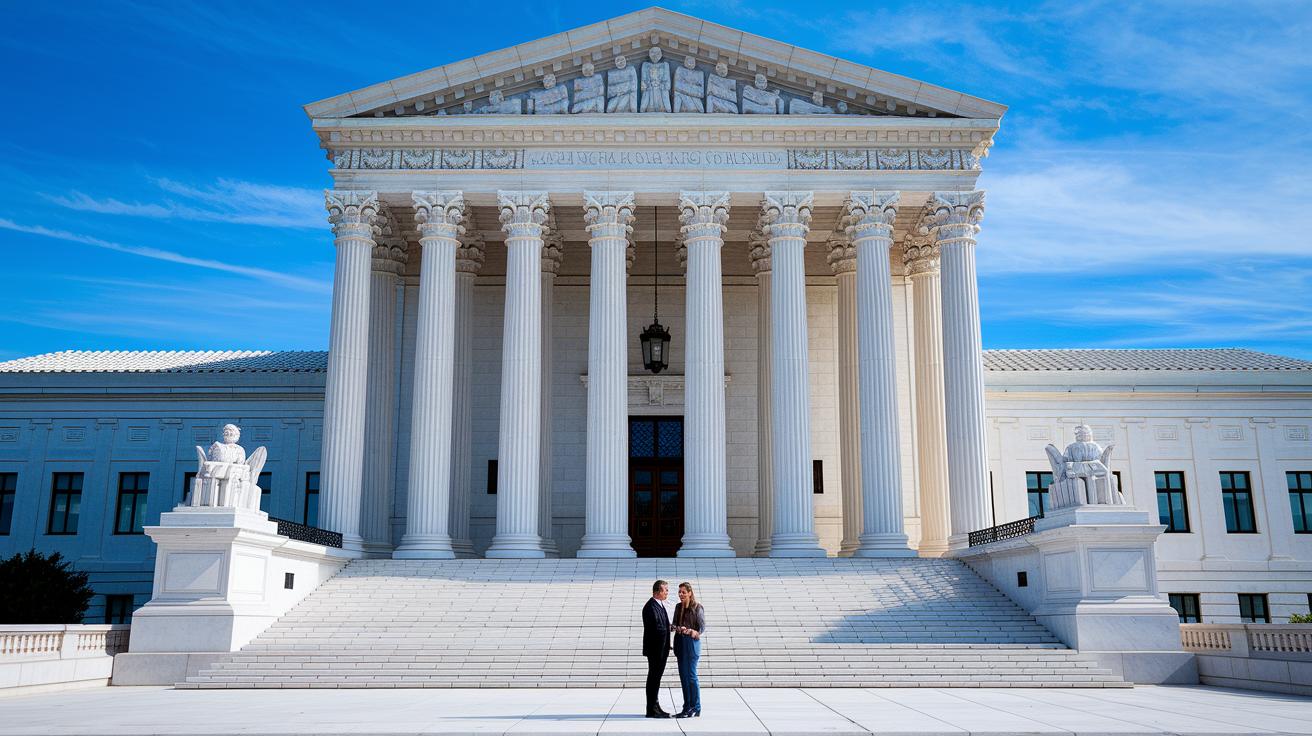
The federal legal system is built on three levels that work together to keep justice running smoothly. At the bottom, you have the U.S. District Courts where trials happen and evidence is examined right before your eyes. Next up are the U.S. Courts of Appeals, which review the decisions from the district courts to make sure everything was fair. At the very top sits the U.S. Supreme Court, the final stop for resolving big legal questions that affect the whole country. Think of it like a layered cake, each level is important and adds to the overall structure.
State court systems work in a similar way, but they come with their own local flavor. Many states have trial courts that handle initial disagreements, appellate courts that give decisions a second look (kind of like a review), and state supreme courts that offer the final say on state laws. Some states even set up special courts for issues like family law or small claims. This means that while the basic steps are similar to the federal system, each state can adjust the rules to better serve its local community.
Jurisdiction, or the area and matters a court can handle, sets clear boundaries for both federal and state courts. It tells you what kind of cases each court can hear and where those cases must come from, keeping the entire system organized and fair.
Precedent and Statutory Law in the Legal System
Stare decisis is like a rule that makes sure lower courts follow the decisions made by higher courts. It helps keep things consistent, much like everyone walking the same well-worn path. For example, when a big case sets a precedent, it guides future decisions in a similar way, making the law more predictable and fair.
The main sources of law include written statutes and court decisions. Some rules are mandatory, meaning lower courts must follow them, while others are persuasive, they offer helpful ideas without binding the court. Think of it like this: a court might consider decisions from another area as useful hints but isn’t forced to follow them exactly. This mix allows judges to stick to what worked before yet adapt when new ideas come into play.
Judicial review is the process where judges take a close look at laws to ensure they don’t conflict with the Constitution (the basic principles that guide our legal system). It means that if a law goes against these core values, judges can cancel it, keeping our legal system strong and balanced.
Integration of Criminal Justice and Enforcement in the Legal System

The criminal justice system works by investigating, prosecuting, and enforcing our laws to keep neighborhoods safe and maintain order. This approach brings together all the steps needed in our legal process, turning written laws into real actions without repeating the same steps over and over. For instance, think of it like this: when a legal system lines up its investigative, prosecutorial, and enforcement efforts, everything clicks into place.
Most agencies stick to strict checks both from inside and out to ensure they do their jobs right. They also back up legal aid and free representation programs, which help people with few resources get the legal help they need. You can find more details on these improvements in updates like Policy Reform in Criminal Justice Systems (https://humane.net?p=8019) and in discussions about expanding legal aid in Impact of Legal Reforms on Access to Justice (https://humane.net?p=8062).
Comparative International Perspectives on Legal Systems
Around the world, legal systems are built in different ways to match various histories and cultures. Some places use common law, where past court decisions shape today’s cases. Other regions follow civil law, relying on clear, written rules about legal duties. In certain countries, religious texts guide the law, while elsewhere, long-standing customs continue to influence legal practices. Often, nations mix these methods to best serve their unique communities.
International standards help bring these different legal traditions closer together. Global agreements and treaties provide guidelines for handling disputes, especially those that cross borders. Local lawmakers often review these ideas to update their own laws, ensuring that legal practices meet common, accepted benchmarks. These comparisons help highlight issues like human rights protection and how quickly cases move through the system.
By measuring factors such as human rights protection and the speed of case processing, experts can see how well each legal system works. This research gives a glimpse into a future where legal practices may become more alike across different countries.
Historical Evolution of Legal Systems: From Ancient Codes to Modern Institutions
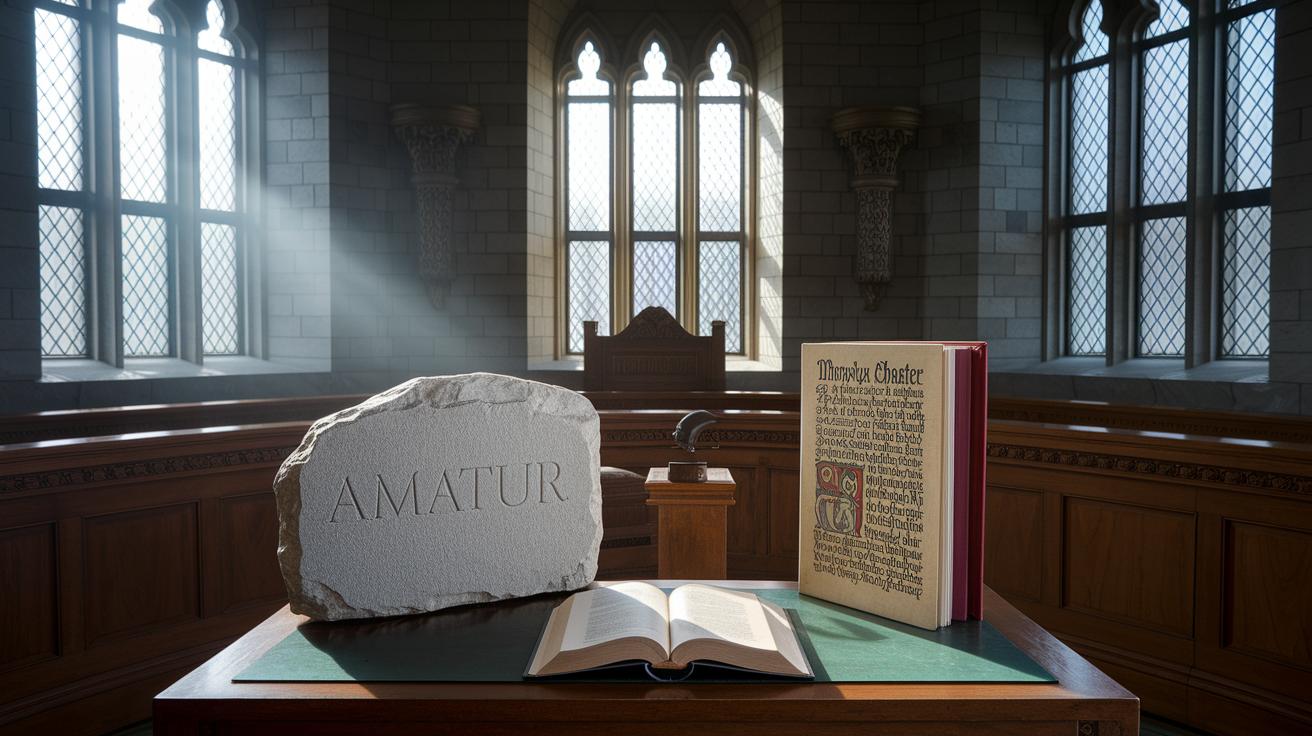
Legal systems started with ancient written rules. Think of Hammurabi’s Code (around 1754 BC) as one of the first examples, a set of rules carved in stone that helped early people settle their disputes.
Roman law made a big mark on how we decide right and wrong today. Roman legal experts worked on organizing laws and making sure they were fair (meaning everyone gets equal treatment). Later on, medieval Europe mixed these ideas with long-standing customs and feudal rules. One key moment was when the Magna Carta was signed in 1215, putting basic rights into writing and paving the way for a limited government.
As Europeans traveled to new lands, they took their legal ideas with them. In many regions, these laws blended with local traditions, creating mixed legal systems that still influence many countries today.
Modern legal institutions grew from these early traditions. Over time, written laws have merged with how judges interpret them to form systems that can handle today’s challenges. Picture a courtroom where the influence of ancient codes, Roman fairness, and medieval rights meets modern legal practices, a blend of history and clear, stable justice.
Final Words
In the action, we explored the inner workings of a legal system with a focus on its main parts: written laws, judicial systems, law enforcement, and the experts who interpret the rules.
We broke down the role of courts, statutory processes, and the integration of enforcement measures while comparing global legal traditions and tracing their historical roots.
This clear overview brings you practical insights to discuss legal trends and apply them confidently.
Keep learning and stay positive in advancing your legal expertise.
FAQ
What do you mean by a legal system?
A legal system means the organized set of institutions, laws, and procedures that govern how rules are made, interpreted, and enforced, providing structure and fairness in society.
What are the major legal systems?
Major legal systems include common law, civil law, religious law, and customary law. Some scholars also recognize mixed systems that combine elements from these primary categories.
What are some examples of legal systems?
Examples include the U.S. common law system, France’s civil law framework, Sharia law used in some countries, and customary law practiced in various regions, each reflecting different legal traditions.
What is the U.S. legal system based on?
The U.S. legal system is based on common law principles, where statutes enacted by legislatures and court precedents guide decision-making under a constitutional framework.
What is a legal system synonym?
A legal system can also be called a judicial framework or law framework, terms that describe the organized setup of rules, institutions, and processes governing society.
What does a legal system PDF mean?
A legal system PDF refers to a digital document outlining the structure, components, and operations of legal systems, often used as an educational or reference resource.