



Ever wonder if sticking only to the written law is truly the fairest way to decide cases today? Legal formalism says yes. Judges follow the exact words of statutes and past decisions as if they’re following a well-tested recipe. This method has been around since the 1800s and helps remove personal bias by relying on clear rules, kind of like putting together a puzzle. In this piece, we’ll explore how this approach can tackle modern challenges by offering clear and fair guidelines that everyone can trust.
Foundational Overview of Legal Formalism
Legal formalism means following the law exactly as it is written. Judges using this method stick to the exact language of statutes and past decisions without adding personal opinions. This way of judging started back in the 1800s as a way to keep the law clear and predictable, especially when compared to looser, more subjective styles.
The idea behind legal formalism is to build a legal system that everyone can count on. Early legal thinkers used a deductive approach (reasoning from general rules to specific cases) to make sure that judges base their decisions on clear, set rules without mixing in personal or political views. This approach leaves the big-picture policy decisions to the lawmakers.
- Judges follow the exact words written in the law.
- Past court decisions help guide current rulings.
- Decisions are made step by step, like piecing together a puzzle.
- Legal choices stay separate from politics and social factors.
- Lawmakers are the ones who make overarching policies.
By sticking to strict interpretation and established texts, legal formalism reduces the chance for personal bias in court decisions. This method ensures that every case is treated the same way, making our legal system more fair and reliable.
Historical Development of Legal Formalism

In the mid-19th century, many legal thinkers began to push for clear rules that courts could follow. This was during a time when society was busy making laws more organized through codification (putting laws into a clear code) and academic reforms. They wanted the law to be applied in the same way everywhere.
During this period, smart legal minds started questioning the old, loose ways of understanding the law. Instead, they looked to tighten the process by sticking closely to written rules and previous decisions. Think of it as following a step-by-step recipe to make sure every decision is reliable and fair.
A big turning point came in 1887 at Harvard Law School. Dean Christopher Langdell introduced the case method, which meant law students would closely study specific cases. They learned to break down each case piece by piece to see exactly how the rules worked in real life. This approach was like assembling a puzzle where every piece needed to be in the right spot.
By the early 20th century, this careful, rule-based method became a strong part of American law. Law schools and courts liked how it made legal decisions clear and systematic, setting a standard that still influences legal thinking today.
Pioneering Jurists and Doctrinal Advocates of Legal Formalism
Christopher Columbus Langdell changed the way law is taught. As dean at Harvard Law, he introduced the case method, where law students study landmark cases one step at a time. Think of it like putting together a puzzle – every case is a piece that helps build the whole picture. His approach created a clear and organized way to understand the law.
Justice Antonin Scalia carried this idea into today’s courts. He believed that judges should follow the law exactly as written, relying on its plain meaning (plain meaning: the straightforward, common sense interpretation). Scalia argued that personal feelings should never change how the law is applied. His many opinions reminded everyone that clear and consistent rules lead to fairness and predictable results.
Other respected jurists and common-law experts also supported this step-by-step method. They showed that sticking to strict rules is essential for keeping our legal system orderly and fair. It’s a method that proves its worth time and again.
Criticisms and Limitations of Legal Formalism
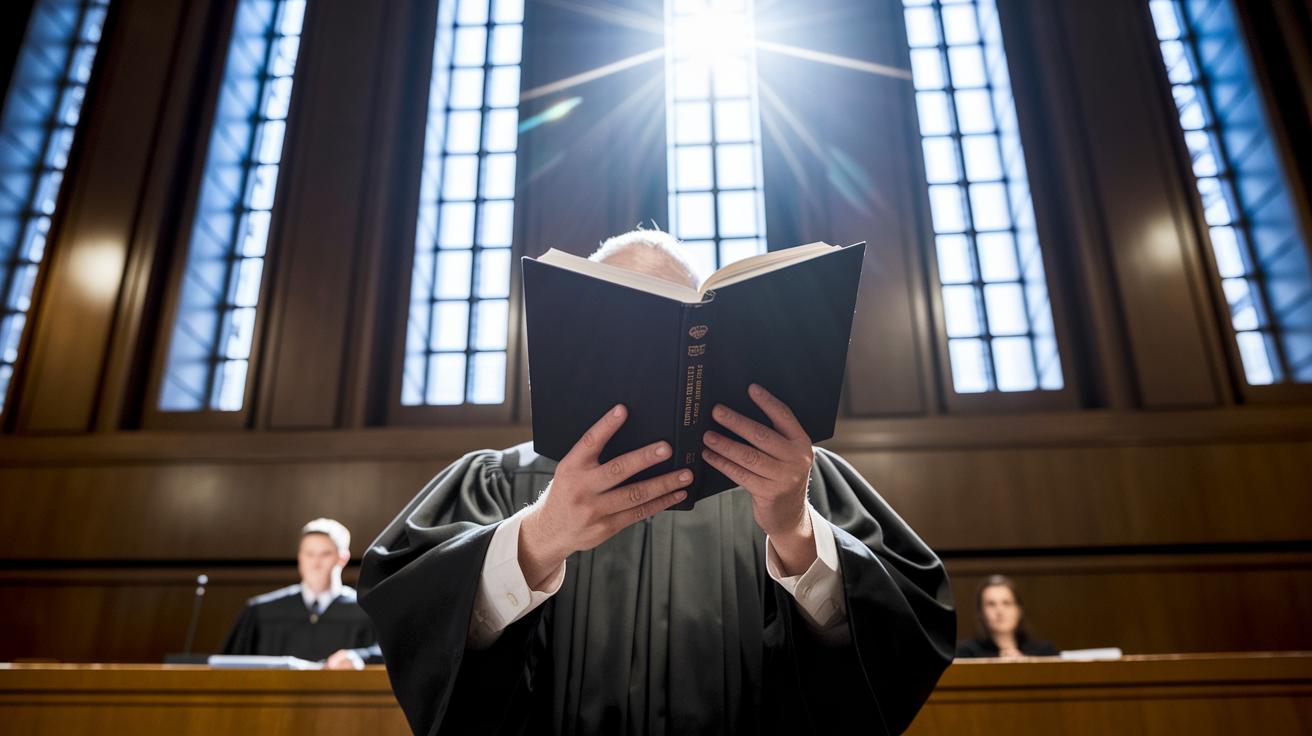
Legal formalism gets a lot of flak for being too strict. Folks say it treats the law like a machine, focusing only on the exact words in a statute (literal text) and ignoring the human side of disputes. This means that deeper social, political, and moral issues can get overlooked.
- Overly rigid: It often misses the bigger picture, such as how social or political factors affect a case.
- Inflexible: When the law is written in vague language or when many parties are involved, it struggles to keep up.
- Potentially unjust: Sticking strictly to the text can sometimes lead to results that feel downright unfair.
- Adaptation issues: It finds it hard to adjust when legal standards change or when society evolves.
Many judges who lean on this strict approach can find themselves out of step with the real-life complexities of a case. When a case has unclear points or requires balancing different interests, a rule-by-rule method might not capture all the important details. In these moments, the decision can seem out of touch with what true justice means. This has sparked ongoing conversations about whether legal formalism can evolve to handle modern disputes while still keeping the clear, predictable results that its supporters value.
Legal Formalism Compared to Legal Realism
Legal formalism and legal realism are two different ways of making legal decisions. Formalism sticks to the exact words of the law and clear rules, while realism believes judges should also look at the bigger picture, how their decisions affect society and real people. This brings up a simple question: should judges follow the law exactly, or should they consider life’s messy details?
| Aspect | Legal Formalism | Legal Realism |
|---|---|---|
| Interpretation | Sticks to the exact words (literal reading of statutes) | Looks at the situation and context (contextual, flexible interpretation) |
| Role of Judge | Follows strict rules and past decisions | Makes choices based on the facts of the case |
| Policy Considerations | Let lawmakers handle policy | Weighs in on what works best for society |
| Consistency | High predictability in rulings | Results may change with different situations |
| Flexibility | Not very adaptable | Adjusts to fit everyday fairness |
Both approaches have real effects in our legal system. When judges use formalism, their decisions are steady and predictable. This can help keep things in order because everyone knows what to expect. On the other hand, legal realism is helpful for cases that involve changing cultural ideas or tricky social issues. It allows judges to be flexible, making decisions that better match real-life situations. In short, the debate between sticking to strict rules or adapting to the world outside the courtroom continues to shape how laws are understood and used today.
Contemporary Applications and Future Outlook of Legal Formalism

Judges today often stick closely to the words of the law when they handle constitutional or statutory cases. They base their decisions on established texts and past rulings, making sure every choice is built on clear language. It’s like following a recipe word for word: every step matters in the final outcome. By using this methodical approach, judges aim for decisions that are fair, steady, and not swayed by personal opinions or outside pressures.
Legal formalism also plays an important role in contract disputes and regulatory cases. Courts use a clear, structured framework to settle commercial disagreements by applying straightforward, rule-based analysis. Think of it like assembling a puzzle, each rule fits perfectly into the bigger picture of contractual promises. This way of interpreting the law helps create a predictable system, something many businesses really value when signing deals or working through regulations.
Looking ahead, legal formalism is set to adapt to new challenges. As more ideas from various disciplines enter legal cases, there’s a growing balance between a strict reading of texts and the need for flexible judicial insight. In the future, we might see more discussions about making court decisions that mix the certainty of traditional rules with the thoughtful understanding needed for today’s social and technological shifts. This blend could bring a fresh approach to interpreting laws while keeping the steady consistency that’s at the heart of legal rulings.
Final Words
In the action, we explored legal formalism from its core principles to its historical roots and modern applications. We touched on strict statutory interpretation, key jurists, and challenges that arise from a rule-bound approach. Each section unveiled a piece of the picture, from early case methods to the confrontation with legal realism.
This clear look at legal formalism helps strengthen our understanding of a system that values consistency and procedure. The discussion leaves us feeling positive and prepared to apply these insights with confidence.
FAQ
What is the difference between legal formalism and legal realism?
The explanation is that legal formalism applies law strictly based on written words and rules, while legal realism considers social and economic factors to shape fair judicial decisions.
How does legal formalism differ from legal positivism?
Legal formalism focuses on a literal reading of texts, whereas legal positivism recognizes law as deriving authority from official enactment, allowing for a broader interpretation of legal directives.
Can you provide an example of legal formalism?
An example of legal formalism is a judge applying a statute’s clear wording exactly as written, even if doing so might overlook unique circumstances in the case at hand.
What is formalism in criminal justice?
Formalism in criminal justice means strictly adhering to statutory language and precedents without considering extra-legal influences, ensuring decisions follow a consistent, text-based approach.
What are the pros and cons of legal formalism?
Legal formalism offers the pros of consistency and predictability in court decisions, but its cons include a potential disregard for social context, which can lead to results that feel disconnected from real-world nuances.
What criticisms exist regarding legal formalism?
Criticisms of legal formalism point to its rigid, text-bound approach that may ignore important social, political, and moral factors, sometimes resulting in outcomes that seem too narrow or impersonal.
What is the opposite of legal formalism?
The opposite of legal formalism is a judicial approach that embraces discretion and broader context, such as legal realism, where judges factor in social and situational details beyond just the written law.
What resources are available in a legal formalism PDF?
Legal formalism PDFs typically contain detailed academic discussions, historical context, and critiques that explain the strict, rule-based decision-making process central to legal formalism.