


Ever wonder if nature can really be blamed for a broken contract? In legal talk, we use the term "act of god" (a way to describe sudden natural events like floods or earthquakes that disrupt agreements and insurance policies) to cover these surprises.
In this post, we'll chat about how these clauses work and who feels the impact when unexpected natural forces strike. We'll break down the legal ideas and show you the real-life effects, so you know exactly what happens when nature steps in.
Defining the Act of God Legal Term in Law
The term act of God means a natural event that happens without any human action. These events come out of the blue and can throw off contracts, hurt people, or damage property. In many contracts, you’ll see an act of God clause included in what’s called a force majeure provision (a part of a contract that deals with major, unpredictable events). This clause lets both sides pause their duties when nature steps in unexpectedly. Similarly, in cases involving tort (a wrongful act causing harm), if someone gets hurt solely because of natural forces, the defense might be allowed provided it’s shown that the event was totally outside human control and that sensible precautions were taken. In insurance agreements, this clause helps decide if certain natural events, like a strong wind gust or a flood, trigger coverage or are left out. For instance, a standard home insurance policy might cover damage from strong winds but not from floods unless extra coverage is added.
Act of God clauses are really useful for setting out who’s responsible when nature disrupts business or causes damage. Courts usually focus on two things: whether the event was truly unpredictable and if the party affected did what they could to lessen the harm.
Common natural events often labeled as acts of God include hurricanes, earthquakes, floods, tornadoes, wildfires, and volcanic eruptions.
Consider this example: "When drafting a contract, include an act of God clause, 'If a severe hurricane delays operations, neither party will be held liable for an extension in deadlines.'" This clear approach helps everyone understand who bears the risk when natural forces disrupt plans.
Historical and Latin Roots of the Act of God Legal Term
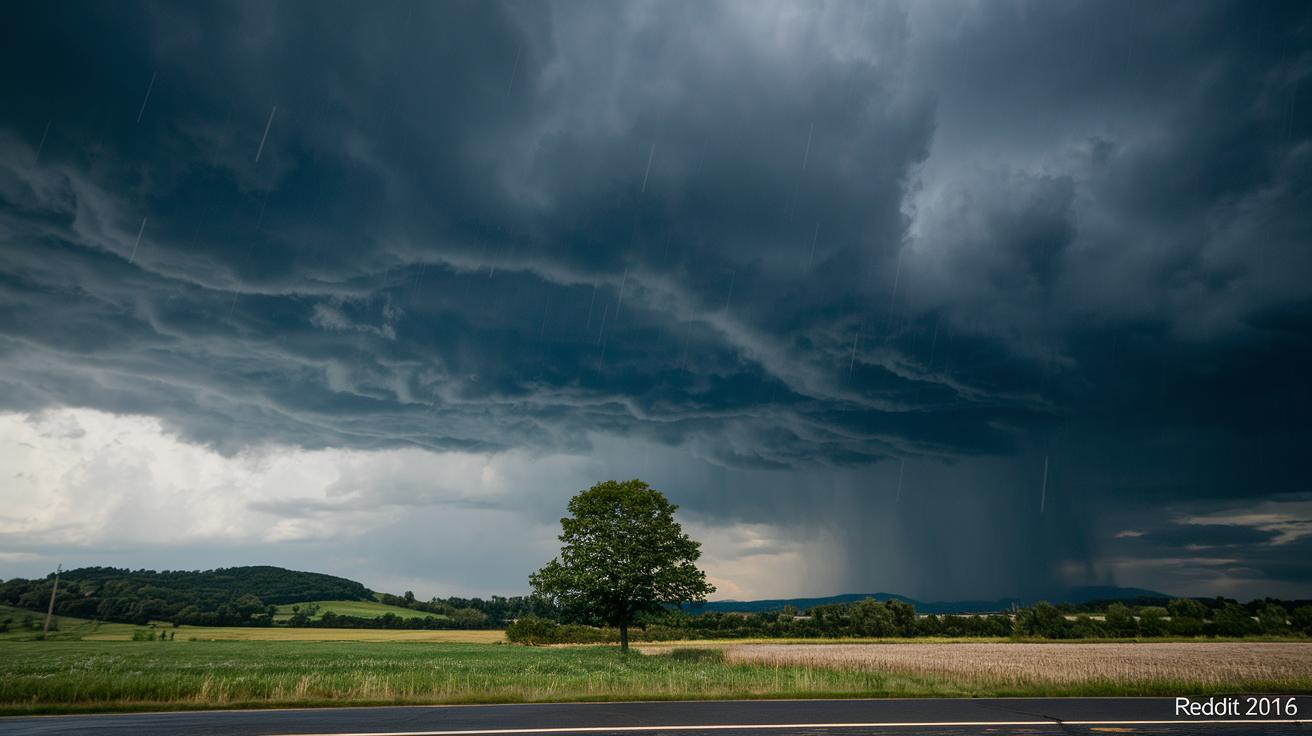
Let’s take a quick journey back in time. This legal term started in common law and borrowed from the Roman idea of vis maior (which means "greater force"). Early thinkers observed that some natural events, like storms and floods, happen without our control. Even back in 13th-century England, laws mentioned acts of God when dealing with issues like property and flood protection. Imagine a law saying, "No one will be punished if nature stops them from doing their duty." This shows that people long ago understood that nature sometimes has the final say.
Then, in the 1600s, English courts used Latin phrases to clearly state that natural events should excuse people from blame. By the 18th century, legal decisions made it clear that a vis maior, nature’s overwhelming force, meant no human fault could be held responsible. In short, early legal minds built the framework that still shapes our view of acts of God today; nature’s wild side remains beyond what we can control.
Comparing Act of God Legal Term and Force Majeure Clauses
Act of God clauses handle risk from natural events like hurricanes, floods, or earthquakes. These are events that occur on their own, without human control. On the other hand, force majeure clauses cover a wider range of problems. They can include wars, strikes, pandemics (widespread outbreaks of disease), or even sudden government actions. For instance, a strong windstorm might be seen as an act of God, while COVID-19, which comes from a global pandemic, fits the force majeure category.
Contracts with these clauses often set out time limits for letting the other party know about the issue and steps to reduce any damage. The big difference is that act of God clauses focus only on nature’s random behavior, but force majeure clauses include other unexpected events. Think about an earthquake in California – it would be treated as an act of God because nature caused it. In contrast, a contract might list a labor strike or a sudden government shutdown as force majeure events.
Often, contracts will list exact events under the force majeure section and use detailed language to manage delays or legal claims. This means force majeure is more flexible, yet it can be trickier to understand. It isn’t just about an event happening; it’s also about whether the affected party informed the other side in time and took steps to lower the damage.
The size and predictability of the event matter too. Courts might look at a sudden, intense natural disaster and compare it to a long-lasting event like COVID-19 when deciding on a claim. Here are some clear examples:
| Example | Clause Type |
|---|---|
| A major hurricane in the northeast that no one saw coming | Act of God |
| A government-mandated shutdown during a public health crisis | Force Majeure |
In simple terms, each clause is designed to make sure that risks are shared fairly when things go wrong.
Act of God Legal Term in Insurance Policies
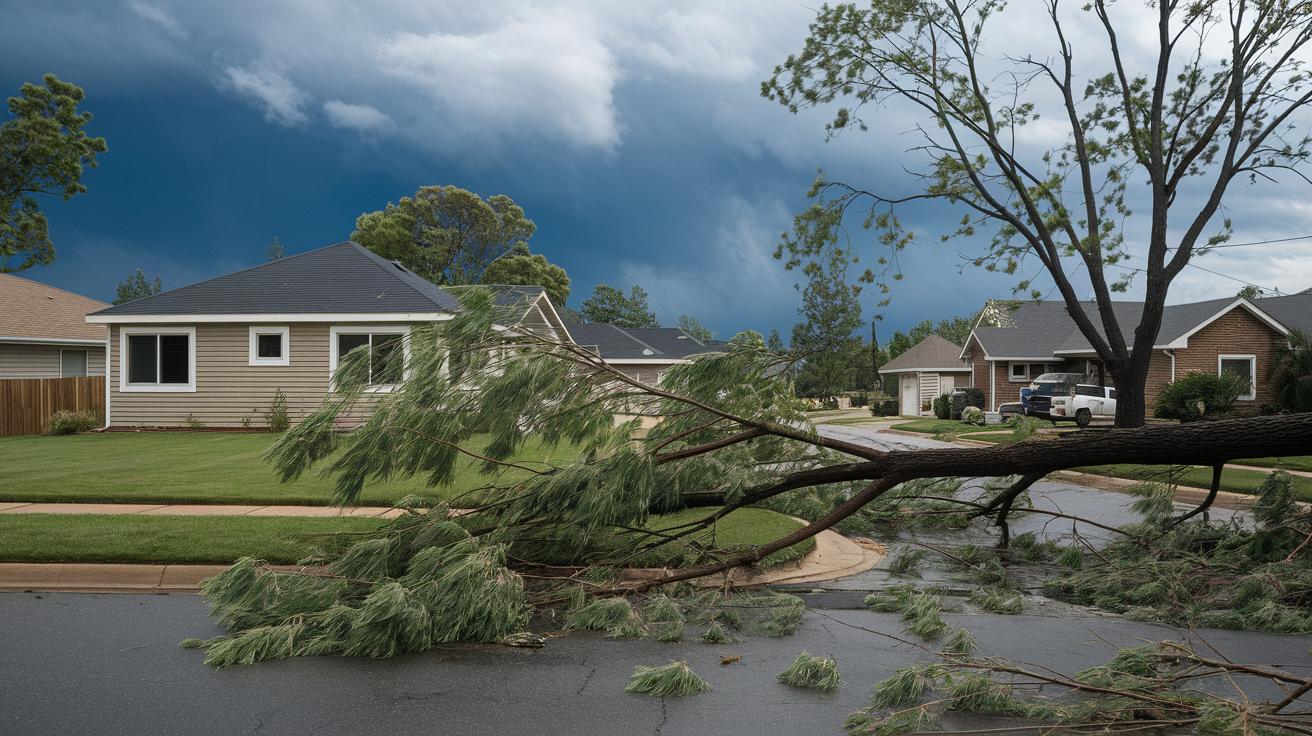
Insurance policies include the act of God term to show which natural events are covered and which aren’t. For example, many homeowner policies help with windstorm and hail damage, but floods or earthquakes aren’t covered unless you add extra protection. Insurers spell out what’s included and what’s left out in clear, simple language. This means that when you file a claim, the process depends on the exact words in your policy and solid proof that the natural event caused the damage. Think of it like this: your policy might say, “Windstorm or hail damage is covered, but if you have flood damage, you need separate coverage.”
Homeowner Insurance Exclusions
Homeowners often find that their policies cover events like wind-driven rain, hail, and sometimes minor storms. However, major events like floods or earthquakes generally aren’t included in the standard policy. You often need to purchase an extra part of the policy, an endorsement, that adds coverage for these events. When a disaster happens, you have to follow a few steps:
| Step | Description |
|---|---|
| 1 | Tell your insurer quickly after the event occurs. |
| 2 | Document the damage and show that it was caused solely by nature. |
| 3 | The insurer checks your policy’s exclusions and endorsements to decide on the claim. |
Vehicle Policy Coverage
Car policies usually handle act of God events a bit differently. Often, standard vehicle policies won’t cover damage from harsh weather like hurricanes, hailstorms, or heavy snowfall. So if a storm causes damage, say, falling tree limbs hit your car, your basic policy might not cover the repair costs unless you opted for extra coverage. States can have different rules about these options, but one thing remains the same: clear language in your policy helps both you and the insurer know what to expect when severe weather strikes.
In both homeowner and vehicle policies, the act of God clause depends on precise wording and clear, strong evidence that nature’s force directly caused the damage.
Drafting Contracts with an Act of God Legal Term: Simple Clarity
When you're putting together a contract that includes an “act of God” clause, it’s important to spell out exactly which natural events will trigger it. You might list events like hurricanes, earthquakes, floods, and tornadoes. The contract should also explain how soon you need to give notice and what steps must be taken to lessen any damage. For instance, a construction agreement could say, “If a natural event with a magnitude over 5.0 or a hurricane with winds above 70 mph occurs, the affected party must notify the other within 30 days and take all reasonable steps to reduce damage.”
Lawyers putting together these clauses need to be clear on a few key points. First, define the events that are covered. Next, set a specific time frame for when the other party should be alerted. Then, make sure it’s clear that the party affected by the event must try to minimize any harm. Finally, include solid guidelines on how to document what happened.
Here are six best practices for drafting these clauses:
- List the specific natural events to avoid any confusion.
- Clearly state the required notice period, such as “within 30 days.”
- Set measurable thresholds for the event, like a minimum magnitude or wind speed.
- Include language that explains the duty to mitigate damage by showing what steps were taken.
- Describe the documentation needed to prove the event’s impact.
- Add sample wording, for example: “Neither party shall be liable for delays directly caused by events outside human control if proper notice is given and mitigation steps are taken.”
Using these clear steps helps everyone understand who bears the risk when nature takes an unexpected turn. This straightforward approach benefits both clients and legal professionals by keeping contracts fair and enforceable, even when unpredictable natural events occur.
Case Studies on the Act of God Legal Term

Courts often explore how nature’s surprises, or what we call an act of God, impact our plans. The main point is to prove that the event was totally unexpected and was caused by nature alone. Let’s break this down through a few cases.
In 2019 in California, a strong earthquake delayed a construction project. The judge accepted the act of God defense because the quake was powerful and unpredictable. Basically, it showed that no human error led to the delay.
Then, in 2020 in Florida, a homeowner’s policy claim came up after some heavy flooding. The court ruled that if the insurance policy doesn’t clearly cover floods, then the claim can’t go through. This really stresses the need for clear written details in contracts and policies.
In 2021 in the Midwest, a tornado led to a tort (a wrongful act causing harm) claim. Here, the plaintiff had to prove that the defendant took every sensible step and that no human involvement was behind the damage. Since that wasn’t clearly shown, the act of God defense wasn’t allowed. Courts look closely to see if people might have played a part, even a small one.
| Case Name | Jurisdiction | Facts | Outcome |
|---|---|---|---|
| Case A (2019) | California | Earthquake delayed construction | Court accepted act of God defense |
| Case B (2020) | Florida | Flood denial dispute in a homeowner policy | Clear policy details were required |
| Case C (2021) | Midwest | Tornado-related tort claim questioning human involvement | Plaintiff had to prove no human causation |
These cases show how courts try to balance nature’s unpredictability with the clear terms of both contracts and insurance policies.
Key Considerations for the Act of God Legal Term
Courts always look at whether an event really came out of the blue or if someone could have taken extra steps to avoid harm. For example, if a wildfire was likely because of long dry spells, it might be tough to claim that nature alone caused the damage. This focus on whether an event was foreseeable helps decide if the natural force truly caused the problem.
Contracts also play a big role in handling these situations. When a contract uses clear, straightforward language, it sets out exactly who is on the hook if nature throws a curve. Think of it like marking clear boundaries on a map, both parties know exactly where their responsibilities start and end. On the other hand, if a contract is vague, courts may side with the party that didn’t perform as expected, causing headaches down the road.
Then there are local differences to consider. Different states sometimes require a higher level of proof. That means you might need strong evidence showing that no person’s actions played any part in triggering the event. This can be especially tricky as changing weather patterns, like more frequent heat waves, force us to rethink our views on what’s truly unpredictable.
- Foreseeability of the event
- Clear risk-sharing in the contract
- State-specific rules on proving the event was solely natural
Final Words
In the action, we broke down the act of god legal term, exploring its meaning in contracts, torts, and insurance settings. We looked at its historical roots and saw how its evolution underpins modern legal defenses. We also compared its limits to force majeure clauses and shared real case studies. Each section highlighted the need for careful drafting and clear risk allocation. This detailed approach leaves us confident that legal professionals can use the act of god legal term effectively in practice. Stay positive and ready for new legal challenges.
FAQ
Act of God legal term Latin
The act of God term originates from Latin phrases like “vis maior” (meaning a force greater than human intervention). It refers to natural events that occur without any human influence.
Act of God legal term force majeure and Act of God vs force majeure
The act of God covers strictly natural, unpredictable events, while force majeure includes additional unforeseen issues like wars or strikes. They both excuse performance under uncontrollable circumstances but differ in scope.
Act of god legal term example and Act of God examples
The act of God term applies to events such as hurricanes, earthquakes, floods, tornadoes, windstorms, and lightning strikes, marking incidents that occur solely due to natural forces without human cause.
Act of God in contract law and Why do contracts say act of God?
Act of God clauses in contracts excuse non-performance when uncontrollable natural events hinder obligations. These clauses help allocate risk fairly among parties during events that no one can predict or control.
Act of God insurance
In insurance, the term act of God denotes natural disasters that standard policies exclude. Insurers typically do not cover events like floods or earthquakes unless extra endorsements are purchased.
Act of God legal term California
In California, the act of God term is applied to limit liability in legal actions and insurance policies when unforeseen natural events, such as earthquakes or wildfires, occur without human influence.
What is another term for, what is the act of God called, and what is the new term for the act of God?
Another term often used is force majeure. However, force majeure usually covers a broader range of unforeseen events, including both natural occurrences and human-related disruptions, depending on the legal context.