




Ever wondered if a wild storm might actually free you from legal blame? When a sudden storm, flood, or earthquake strikes, the law tells us these are natural events, things no one could have seen coming or stopped. Today, we'll walk through what the act of God rule means (an act of God is an unpredictable natural event) and why it matters for your insurance and contracts. Let's break down these tricky legal ideas in plain language and see how old legal principles still influence our modern choices.
Act of God Law Defined: Fundamental Principles and Scope
Act of God law covers events caused entirely by nature, where no human action or intervention is involved. It rests on three main ideas: nature itself is the cause, the event couldn’t have been predicted, and nobody could have stopped it from happening. Think about an unexpected, massive earthquake that shakes everything without any warning, this is a clear example of an act of God. The idea comes from old legal systems where judges had to decide who was responsible when nature caused damage.
Typically, events like hurricanes, earthquakes, floods, and even wildfires that start for natural reasons fall under these rules. Insurance policies in areas prone to natural disasters often use these clauses. So, if heavy rain suddenly leads to a flood that damages property, damage that no amount of planning could have prevented, it’s counted as an act of God.
These clauses play an important role in insurance claims, contracts, and determining who is liable for damages. When an act of God is mentioned in a policy, it usually limits the legal and financial responsibility of the insurer or other parties involved. For example, some policies specify that unless you add extra coverage, damage from natural events won’t be paid for. That’s why it’s important to carefully review your policy or contract to understand what’s covered and what isn’t.
Historical Development of the Act of God Doctrine and Judicial Evolution

Back in 19th-century England, common-law cases (legal decisions based on traditional practice) laid the foundation for what we now call the act of God doctrine, a rule that excuses parties from fulfilling contractual duties when nature takes over. Judges handled cases involving wild storms, sudden floods, and other natural events that no one could control. They made it clear that the event had to be entirely natural, without any human influence or warning signs. Sometimes, you’d hear phrases like "No man could have prevented such havoc." Over time, written legal rules helped everyone understand who was responsible when nature caused unexpected damage.
More recently, our legal ideas have grown even further. The language of force majeure (unforeseen events that stop someone from meeting a contract) has expanded, especially after COVID-19 showed us just how disruptive global crises can be. Courts today are more willing to interpret these terms to cover modern challenges and unusual events. In many post-pandemic decisions, judges have pointed out that even events normally left out of responsibility can lead to broader contract protections. In short, our legal system now blends traditional views of nature’s unpredictability with today’s real-world issues, making force majeure clauses more flexible and, in many ways, more complex.
Act of God Clauses in Insurance Law and Coverage Disputes
Many insurance policies, especially in California where natural disasters happen a lot, include a section about acts of God. This means any damage that comes straight from nature, like heavy storms or sudden floods, might not be covered. For example, if a wildfire spreads really fast before you have the chance to stop it, the loss might be labeled an act of God and be excluded from coverage. It’s smart to read your policy carefully because what counts as an act of God can change from one policy to another.
- Find the Act of God clause in your declarations.
- Double-check how the policy defines covered events.
- Look over any exclusions or limits mentioned.
- See what it says about notifying your insurer and taking steps to limit damage.
- Check if there are any extra limits or deductibles for disasters.
In California, recent insurance claim disputes have shown that even small differences in policy language can lead to big differences in outcomes. Courts are paying close attention to whether a policy clearly cuts off coverage for extreme natural events. Sometimes, insurers and policyholders disagree about whether damage from bad weather fits the act of God clause or if there was an expectation of extra protection. This really highlights that while these clauses are meant to shield insurers from unpredictable events, they can leave policyholders with unexpected losses if the policy isn’t fully understood.
Force Majeure versus Act of God in Contractual Clauses
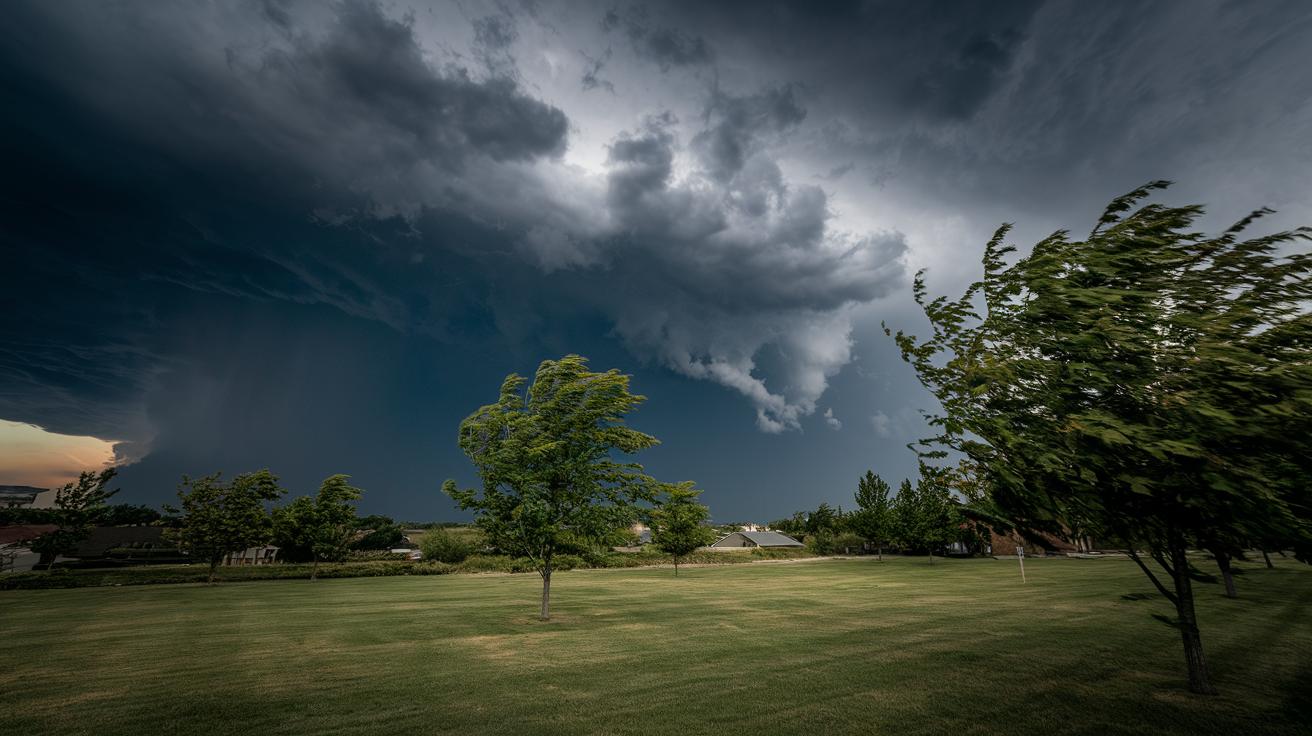
Force majeure clauses cover a wide range of unexpected events that stop one or both parties from carrying out their contract duties. They include things like sudden pandemics, labor strikes, or severe storms. Courts usually interpret force majeure broadly, which means if an unforeseen event, like a public health crisis, causes delays or cancellations, the clause is designed to protect the affected party.
In contrast, Act of God provisions are much more specific. They cover only natural events like earthquakes, floods, and hurricanes that happen without any human influence. This means the language excludes incidents where human actions play a part. For instance, if a contract states that damage from heavy rain is an act of God, then issues like industrial accidents or pandemics won’t be covered. It’s important for parties to carefully read how these clauses are written.
The strength of these clauses often depends on whether the event was truly unforeseeable and whether the party affected did everything possible to lessen the damage. Courts look at whether the event could have been predicted and if the party took steps like providing timely warnings or arranging backups. Imagine a contract that spells out immediate actions during a storm, if those actions aren’t followed, the clause might not hold up in court.
Landmark Case Law and Judicial Standards for Act of God Defenses
Court decisions have played a big role in shaping how Act of God defenses apply in legal claims. Judges have looked closely at cases that ask whether natural events, like sudden floods, violent storms, or earthquakes, could really free a party from contract duties or liability. They dig into whether these events were truly unexpected and if everyone did what they could to avoid damage. This kind of clear guidance helps everyone understand how to handle insurance and contract disputes when nature throws a curveball.
Some courts have decided that a swift and uncontrollable natural disaster fits the Act of God idea. Others have taken a closer look at the words used in force majeure clauses (parts of a contract that excuse one side from their duties under certain exceptional events) to decide how broad that protection should be. In short, these case rulings set clear steps for dealing with claims related to unforeseen events.
| Case Name | Year | Jurisdiction | Key Holding |
|---|---|---|---|
| Smith v. Riverdale | 1998 | California | A sudden flood qualifies as an Act of God. |
| Johnson v. Coastal Insurers | 2005 | New York | Set limits on insurance for unpredictable natural events. |
| Brown v. State | 2012 | Texas | Found that severe storms can count under contractual force majeure. |
| Davis v. National Builders | 2018 | Florida | Ruled that not taking steps to reduce damage does not cancel the Act of God defense. |
Jurisdictional Variations and Statutory Frameworks for Acts of God

In many states, laws explain how we handle nature's surprises like storms, earthquakes, and floods. For example, UCC § 2-615 sets out a rule that excuses someone from a contract when a natural disaster makes it impossible to perform. Similarly, the California Civil Code includes rules that limit liability for damages caused by these unpredictable events. These laws help define what we mean by an act of God by stressing that the event comes naturally, without human intervention. Often, courts use these guidelines to decide if a party can be excused from a contract when disaster strikes, especially in cases like insurance claims or other agreements.
But here's the catch: how these laws are applied can differ greatly from state to state. Some judges stick closely to the written law, while others are more flexible, taking into account things like timely notice of an emergency or reasonable attempts to lessen the damage. This means that outcomes might change depending on where a contract is enforced. So, if you're dealing with such issues, it's a good idea to talk to local legal experts who know the ins and outs of your state's rules. Just keep in mind, this isn’t legal advice, it’s simply an overview of how different states might interpret the rules about acts of God.
Drafting, Negotiation, and Dispute Resolution for Act of God Clauses
When you draft Act of God clauses, it’s important to use specific words that explain which natural events are included. Think of it like assembling a puzzle, each word is a vital piece. For instance, clearly list events such as sudden floods, earthquakes, or severe storms, and make sure to exclude any events caused by human actions. Be clear about who will handle the fallout when nature strikes and include simple steps for both sides to limit damage. This might involve duties like quick notifications and prompt repairs, so there’s no confusion when things go wrong.
For disputes that pop up from these clauses, consider mediation or arbitration instead of jumping straight to court. These options allow both parties to sit down with a neutral expert who can help decode the language of the clause. Imagine a mediator saying, "Let’s break down what each term means using our contract as a guide." This approach minimizes misunderstandings and speeds up the resolution process. In short, with clear language and a solid plan for resolving issues, businesses can keep moving forward, even when unexpected natural events occur.
Final Words
In the action, this blog broke down key aspects of act of god law. It explained the term’s roots, its use in insurance policies, and its role in contracts. We looked at natural triggers, legal shifts, and protective contract language.
The discussion also highlighted steps to review policies and refine dispute resolution methods. Each part builds a clear picture of how act of god law affects coverage and contractual obligations. It's a strong reminder that a well-prepared legal approach leaves room for unexpected events.
FAQ
Q: What does the act of God legal term mean in legal language?
A: The act of God legal term comes from the Latin phrase “actus Dei.” It refers to events occurring naturally and without human control and is often discussed alongside force majeure (unexpected events that can release parties from contractual duties).
Q: How is the act of God concept used in contract law?
A: The act of God clause in contracts excuses parties from performance when unforeseen natural events happen. This helps clarify that neither side is liable for damages caused by such uncontrollable occurrences.
Q: What does “act of God law pdf” refer to?
A: The phrase “act of God law pdf” typically indicates downloadable legal documents available online. These resources outline statutory definitions, case law, and examples that explain how the doctrine is applied.
Q: How do California and Florida apply act of God law?
A: In California and Florida, act of God law addresses natural disasters like wildfires and hurricanes. These states use the doctrine to limit liability in contracts and shape the coverage terms in insurance policies.
Q: What are examples of act of God events in law?
A: Examples of act of God events include earthquakes, floods, or severe storms. These natural occurrences are recognized legally when they disrupt contractual duties or result in claims under insurance policies.
Q: How do act of God clauses work in insurance policies?
A: Act of God clauses in insurance define coverage for losses caused by natural events. Such clauses do not typically lead to premium increases, as insurers assess the risk of these events when setting policy terms.
Q: Why do contracts include act of God clauses?
A: Contracts include act of God clauses to allocate risk fairly. They make it clear that if a natural event beyond anyone’s control happens, the affected party may be excused from meeting their contractual obligations.
Q: What are the three types of act of God events in legal context?
A: The three types of act of God events generally cover meteorological events like storms, geological events such as earthquakes, and hydrological events including floods. Each type meets the criteria of natural causation and uncontrollability.