




Have you ever stopped to wonder if our justice system truly cares about young people? Juvenile law is more than just handing out punishments, it gives kids a fair chance to grow. Each year, nearly 800,000 cases show that every young life matters. Instead of focusing only on blame, the system offers support and protection, especially for kids facing tough times, like living in foster care. This balanced approach holds them accountable while giving them a clear chance to learn and improve.
Juvenile Law: Empowering Rights for Every Minor
Juvenile law is made just for young people. It gives them a fair shake in the legal system by balancing the need for accountability with a focus on helping them grow. Every year, around 800,000 cases involving minors come before the courts, and instead of just handing out punishments, this system gives kids a chance to learn and improve.
Minors enjoy key rights during these legal processes. They always have a right to a lawyer and are safeguarded from harsh measures like solitary confinement (keeping someone isolated as a form of punishment). This protection ensures that decisions take into account the many challenges young people face – especially those 430,000 kids in foster care dealing with multiple issues.
Think of a youth’s case like putting together a puzzle: every piece, from having legal representation to the court steps, matters in creating a fair outcome. Laws are written to support these rights so that the process isn’t just about punishing mistakes but also about nurturing growth and offering special programs geared toward rehabilitation.
Judicial steps for minors are set up in a way that teaches responsibility, with every phase tailored to fit a young person’s unique situation. The process emphasizes support and education over strict punishment, reinforcing a true commitment to help each minor move toward a safer, brighter future.
Juvenile Law Statutory Framework: Core Legislation and Federal Acts
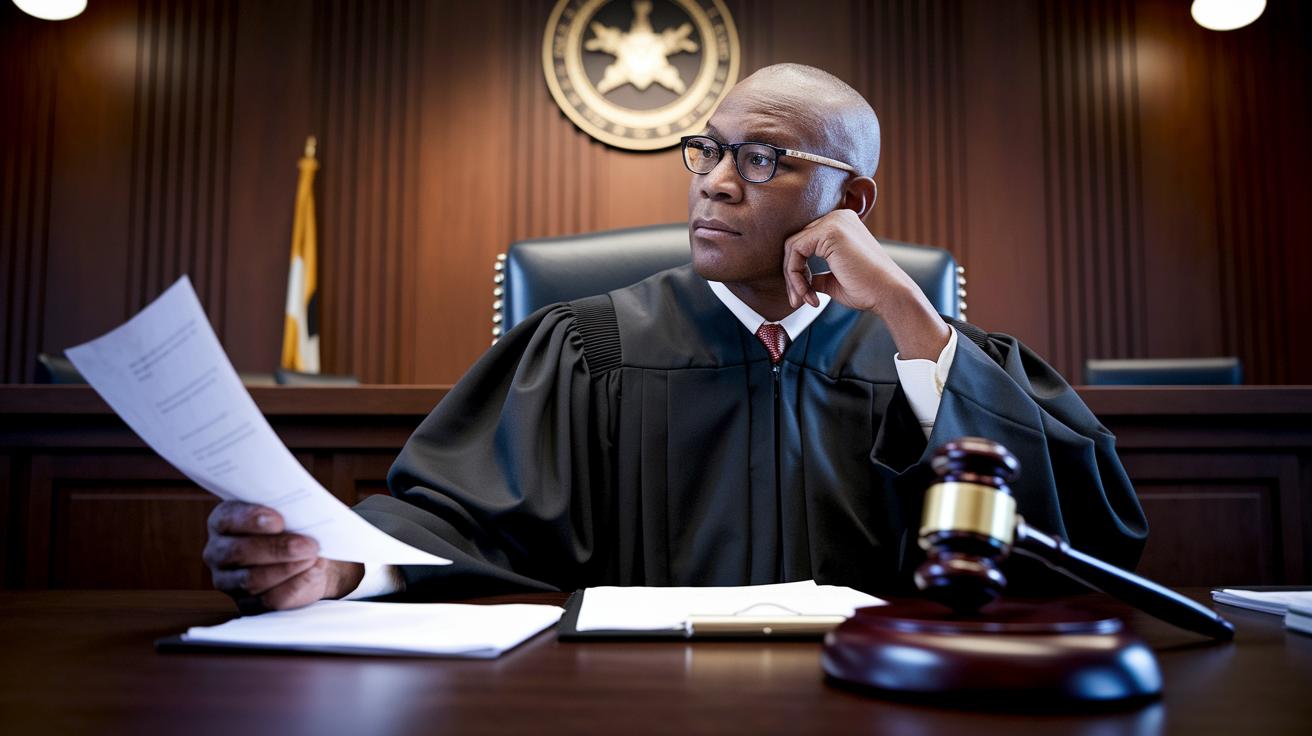
The Juvenile Justice and Delinquency Prevention Act of 1974 set the stage for a fairer youth justice system. Instead of locking up kids for minor issues, it shifted the focus to keeping them on the right path with smart rules like keeping them separated by sight and sound. It combined holding young people accountable with giving them a chance to grow. In 2018, the law was updated with new performance measures to stay current with modern needs.
State laws add another layer to this system. They usually set age limits, often 17 or 18, and explain when a minor might be moved to adult court. These laws also set up clear reporting rules and focus more on helping youth improve rather than just punishing them. Think of it like piecing together a puzzle; every law contributes a unique piece to create a complete picture of youth justice.
Lawmakers have kept changing these rules to face new challenges in juvenile justice. Over time, they’ve made amendments that reflect shifts in society and how we understand teenage growth. These changes underline that young people need a special process that supports their chance to reform while also keeping our communities safe.
| Statute | Year Enacted | Key Provisions |
|---|---|---|
| Juvenile Justice and Delinquency Prevention Act | 1974 | Deinstitutionalization of status offenders, sight-and-sound separation |
| Reauthorized JDPA | 2018 | Updated performance measures, modern accountability standards |
| State Youth Court Statute | Varies (e.g., 1990s) | Jurisdictional age limits, transfer criteria to adult court |
| Child Offense Legislation | Various | Mandatory reporting and rehabilitative provisions |
Juvenile Court Procedures: Step-by-Step Underage Proceedings
In juvenile court, the process is built to protect young people while giving them a chance to learn and improve. It all starts with an intake screening where officials quickly decide if the case should go further in the court system. Within 24 hours, there’s a detention hearing to review the minor’s situation, making sure everything is handled fairly and swiftly.
Next comes the adjudication hearing. Here, a judge listens to all the details and figures out if the minor's actions meet the legal definition of delinquency (meaning the behavior might be considered a violation of the law). This step isn’t about punishment but about finding the best way to help the youth change course. Often, the judge might suggest alternatives like diversion programs or probation instead of more formal charges.
After the judge makes a decision, a disposition hearing is held to figure out what should happen next, this might be sanctions or rehabilitative measures to guide the minor in the right direction. And the process continues with periodic review hearings, where the minor’s progress is checked regularly.
The five main stages in juvenile court are:
- Intake Screening
- Detention Hearing
- Adjudication Hearing
- Disposition Hearing
- Periodic Review Hearings
Each of these steps follows strict legal rules (procedural law, which means the established way the law is applied) to protect the rights and unique needs of underage defendants.
Minor Legal Representation: Counsel and Advocacy in Juvenile Law
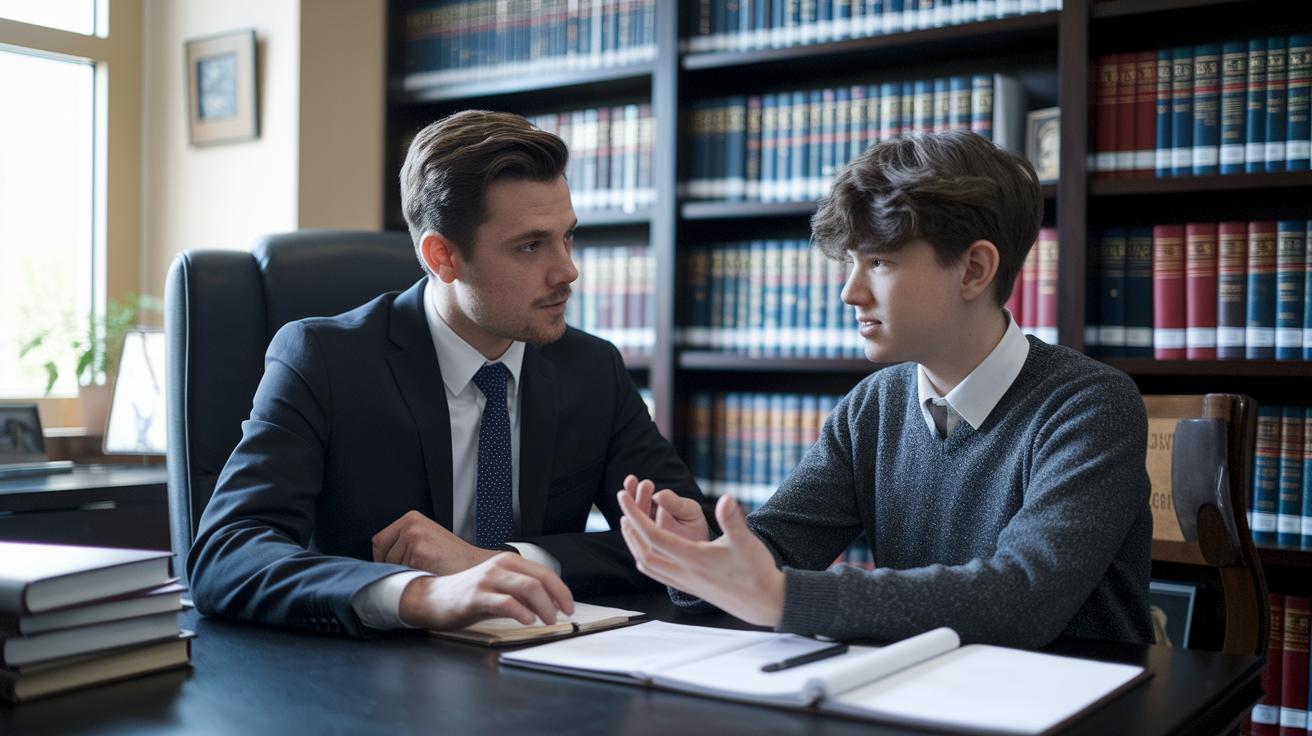
Minors often face unique challenges in the court system, and proper legal help makes sure their voices aren’t lost. Ever since the In re Gault decision in 1967, having a lawyer has been key in juvenile cases. Many places make sure that public defenders or pro bono lawyers step in when a family can’t afford private representation. This helps guarantee a fair trial and makes the legal process easier for young people to understand.
Child defense lawyers are trained to deal with the special issues that affect youth. They’re knowledgeable about how adolescents grow and how experiences of trauma can impact behavior. Their training allows them to offer advice that fits the special needs of young clients. This means that even if a young person comes from a difficult background, they still get the high-quality legal support they deserve.
There’s also community legal aid that goes beyond what the court provides. Nonprofit groups and legal clinics often run programs to educate minors about their rights. These programs also teach them how to clearly present their side in court, giving them an extra layer of confidence.
With an eye on fairness and helping minors get back on track, these legal advocates play a crucial role in building a better future for young individuals.
Juvenile Law Sentencing and Rehabilitation: Programs for Adolescents
Young people who run afoul of the law are often given options aside from traditional detention. Instead of locking them up, judges can order community service, counseling, or educational programs. Imagine a teen spending an afternoon fixing up a local park, it’s a way to make amends while also learning valuable life lessons.
Today’s detention centers also check in on a young person’s mental health regularly. This means that any emotional or behavior issues are spotted early on, so help can be given in a way that really fits the teen’s needs. The aim is to watch over these kids closely and furnish them with the support they need to overcome challenges.
Rehabilitation for adolescents is all about learning and changing behaviors. Programs based on proven methods, like Functional Family Therapy (a way to improve family dynamics) and Multisystemic Therapy (a comprehensive approach to treating complex issues), have helped cut reoffending by over 60 percent. Youth who join these programs tend to have lower repeat offense rates, around 30 percent, compared to more than 50 percent in traditional detention.
At its heart, alternative sentencing looks to empower young people. By providing a structured and caring environment, these approaches equip teens with the skills to make better decisions, setting them on a path toward a more stable future and enhancing community safety.
Case Law and Reform in Juvenile Law: Key Decisions and Legislative Updates
Key court rulings have helped shape a juvenile justice system that protects young people from severe punishments while giving them room to grow. In Roper v. Simmons (2005), the court ended the death penalty for juveniles, deciding that children aren’t as responsible as adults and should never face the harshest penalty. This choice paved the way for more thoughtful reforms in how the law treats minors.
Then comes Graham v. Florida (2010), a case that made it clear a life without parole for non-murder offenses isn’t right. It reminded everyone that young people have the capacity to change and mature. Later, Miller v. Alabama (2012) stopped courts from using mandatory life without parole sentences in even the toughest cases. Now, judges are encouraged to look at each minor’s personal story, background, and potential to turn their life around. Really, isn’t it amazing how one decision can open the door for more careful judgment?
More recent laws have built on these rulings by raising the age at which kids can be held under full legal jurisdiction and by ending life sentences for minors altogether. In 2023, new proposals have focused on diversion programs (ways to steer young offenders away from harsh legal paths) and stronger mental health support to help them find better futures. All these changes work together to balance holding young people accountable with giving them a fair chance to learn from their mistakes, all while keeping our communities safe.
Challenges and Future Directions in Juvenile Law Reform
Black youth find themselves in foster care at a higher rate than you would expect. They make up 25% of all removals even though they represent just 14% of the youth population. This gap makes it clear that our juvenile justice system has serious problems. Many young people face unfair treatment because legal aid is underfunded and minority youth show up in detention far too often. And then there’s the school-to-prison pipeline. Schools, with their strict rules, sometimes push kids toward the court system instead of helping them learn from their mistakes.
On the bright side, communities are coming together to help. Many advocacy groups are working on family-based solutions that keep kids connected to supportive homes. New accountability boards are also being set up to watch over justice system decisions. These boards give people a chance to see what’s happening and build trust in the process. Lawmakers are starting to rely on clear statistics to design smarter reforms. They believe that by using data, they can make targeted changes. Plus, more mental health services are being added to help children deal with trauma and reduce repeated involvement in the justice system.
Real change will require everyone’s effort. Policymakers, legal pros, and community groups all need to work side by side. By involving local communities, we can shape the practices that really fit the needs of today’s youth.
Final Words
In the action of exploring juvenile law, we covered a range of topics, from defining key rights and legal procedures to understanding court processes and specialized representation. We reviewed major statutes, court stages, and sentencing alternatives that balance accountability with rehabilitation. Each section offered easy-to-understand insights into legislative updates and reform efforts. With clear explanations on youth justice, this overview leaves you better prepared to apply these legal insights practically and confidently, keeping the focus on strengthening the path forward for juvenile law.
FAQ
What is juvenile law?
The juvenile law defines legal rules for minors, setting guidelines for youth court processes, rights to counsel, and rehabilitation measures designed specifically for young people.
What are some juvenile law examples and what does a juvenile law attorney do?
The juvenile law examples include cases where a minor’s rights and rehabilitation are prioritized. A juvenile law attorney supports youth by ensuring fair treatment through specialized legal procedures.
What is the juvenile law manhwa fandom and what can be found on Juvenile Law manhwa Reddit?
The juvenile law manhwa fandom and related Reddit discussions explore animated and illustrated stories that combine legal drama with youth justice themes, sparking creative interpretations among fans.
What is a Juvenile Law Book?
The Juvenile Law Book serves as a reference outlining youth-specific legal processes, rights in court, and case examples to help readers understand and navigate youth justice issues.
What is a Juvenile Law Center?
The Juvenile Law Center is a resource hub offering legal aid, education, and advocacy specifically for minors facing the justice system, aiming to support fair and informed legal outcomes.
What does Juvenile Law PTJ refer to?
The Juvenile Law PTJ likely refers to a program or publication focused on youth legal training and justice topics; checking official sources provides the precise details.
What are the juvenile justice system problems?
The juvenile justice system problems include issues like delays in legal proceedings, inadequate legal representation, and concerns over disproportionate detention practices for minors.
What is the youngest age to go to juvenile court?
The youngest age to go to juvenile court varies by state law, but often, very young children involved in welfare cases may be processed under juvenile justice systems.
What are the four types of juvenile offenders?
The four types of juvenile offenders commonly refer to status offenses, property offenses, violent offenses, and drug-related offenses, each categorized by the specific behaviors violating legal rules.
Is a 17-year-old considered a juvenile in Texas?
The juvenile law in Texas typically considers a 17-year-old a minor, although specific circumstances and state guidelines sometimes influence whether they are tried in juvenile or adult court.