




Residential neighborhoods are shared ecosystems where human routines intersect daily with local animal populations. From songbirds nesting beneath eaves to nocturnal mammals foraging across lawns, suburban spaces provide vital corridors for native species. Unfortunately, standard residential hardware such as glaring security lights, unprotected drainage basins, and loud automated appliances can disrupt these creatures or put them in direct danger. Finding ways to protect local wildlife does not mean abandoning household convenience. Instead, modern technology offers creative opportunities to support compassionate coexistence right outside our doors.
Thoughtful homeowners are increasingly adopting gentle digital tools to make their yards safer and more welcoming. By choosing devices designed with animal habits in mind, community members can enjoy outdoor security and modern convenience without causing unnecessary stress to wandering creatures. Exploring practical hardware options helps create an environment where wildlife can navigate neighborhood corridors safely.
Choosing Motion Sensors and Humane Outdoor Lighting
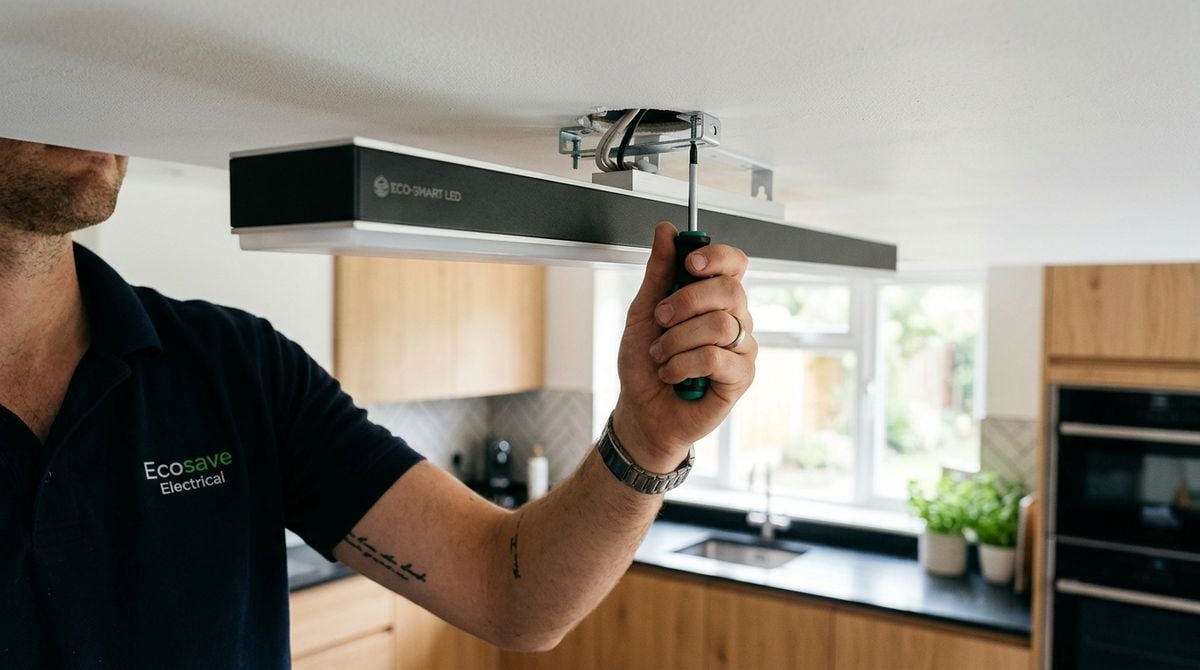
Outdoor illumination plays a significant role in determining how comfortable nocturnal animals feel when moving through suburban yards. Bright floodlights that stay lit throughout the evening disorient migrating birds, disturb pollinating moths, and discourage small nocturnal mammals from carrying out essential foraging routines. Installing smart motion-activated fixtures resolves this challenge by providing visibility only when actual movement occurs, allowing the surrounding yard to remain dark and peaceful for the rest of the night.
When selecting modern sensors, it helps to look for units that offer customizable detection ranges and dimming options. Hardware with adjustable sensitivity prevents the fixture from activating every time a fallen leaf drifts past, ensuring that lighting engages only during substantial activity. Readers looking to explore updated device designs and consumer hardware specifications can consult yourgadgetguide.net for clear overviews of current home technology. Choosing warm-toned bulbs rather than harsh blue-white lights also minimizes disruption to animal vision while still providing plenty of visibility for residents.
Shielding fixtures is another straightforward step that immediately improves yard safety. Directing light downward toward walkways keeps bright glare from spreading upward into tree canopies where birds roost. Placing sensors several feet off the ground allows small creatures like hedgehogs, toads, and cottontails to pass underneath without triggering sudden, startling bursts of light.
Deploying Smart Cameras to Monitor Wildlife Activity
Observing backyard visitors from a respectful distance is one of the greatest pleasures of humane neighborhood living. Wireless outdoor cameras, smart video doorbells, and compact trail monitors allow families to view native creatures without encroaching on their territory. These non-intrusive lenses reveal which animals share the yard, what paths they travel, and what times they are most active.
Setting up outdoor cameras often brings minor technical hurdles, such as optimizing battery endurance in colder weather, expanding local memory, or positioning equipment to maintain steady wireless signals across a yard. When troubleshooting tricky device connectivity or configuring hardware settings, visiting javaclue.org offers helpful guidance on resolving common electronic snags and finding practical solutions. Keeping your gear running smoothly ensures you capture meaningful observations without having to step outside repeatedly to adjust cameras, which can frighten skittish animals away from shelter.
Reviewing camera footage provides valuable insights that help prevent common household conflicts. For example, discovering that a family of raccoons or a skunk routinely crosses the garden at dusk allows pet owners to schedule evening dog walks before or after that window. Understanding natural movement patterns fosters safe boundaries for family pets and neighborhood wildlife alike, reducing accidental encounters before they start.
Installing Gentle Deterrents and Automated Water Sources
Keeping animals away from hazardous areas like swimming pools, driveways, or busy roadways requires gentle methods that teach boundaries without causing pain. Automated deterrents that spray a brief, harmless burst of water when motion is detected can nudge wildlife away from danger zones without the need for toxic chemicals or harmful physical barriers. Animals quickly learn to steer clear of designated areas while remaining safe and uninjured.
Providing reliable hydration is another way technology can assist local fauna throughout the seasons. Bird baths and shallow ground basins often dry out during hot spells or freeze solid during winter snaps. Solar-powered aeration pumps and thermostatically controlled water dishes keep clean water circulating and ice-free with minimal energy use. Moving water also discourages mosquito breeding, creating a healthier microclimate for visiting songbirds, squirrels, and beneficial insects.
Thoughtful backyard upgrades work best when they fit into a comprehensive approach to natural land stewardship. Homeowners interested in broader stewardship methods, from chemical-free soil care to non-invasive shelter construction, can discover practical ideas by reading our guide to creating a compassionate homestead for long-term inspiration. Pairing automated outdoor tools with organic gardening techniques turns ordinary yards into safe sanctuaries that support diverse species throughout every season.
Best Practices for Humane Backyard Technology
Adopting modern outdoor gadgets requires thoughtful installation to ensure devices remain helpful rather than hazardous. Before adding new hardware to your yard, keep several practical guidelines in mind to protect both your equipment and the creatures living nearby:
- Angle motion sensors toward human pathways rather than ground-level animal corridors.
- Conceal exposed power cords inside protective conduit tubing to prevent chewing hazards.
- Position automated water features close to natural vegetation so small animals have quick escape routes.
- Clean camera lenses and solar panels regularly to keep devices operating smoothly without unnecessary human visits.
- Set alerts to silent modes outdoors so unexpected chimes or alarms do not startle resting wildlife.
Maintaining Equipment and Respecting Animal Boundaries
Routine maintenance is essential for keeping outdoor electronics functioning safely. Checking battery compartments regularly prevents leaks that could contaminate surrounding soil or groundwater. When devices reach the end of their usable life, recycling them through local electronic waste programs keeps toxic materials out of shared ecosystems. Making sure hardware remains tightly sealed also protects inquisitive insects and small rodents from crawling into warm internal components where they could become trapped.
It is equally important to avoid gadgets that rely on harsh ultrasonic frequencies or high-pitched tones. While marketed as simple deterrents, these devices often cause significant distress to domestic dogs and cats as well as beneficial wildlife such as bats and songbirds. Gentle water bursts, physical fencing, and smart motion lighting provide effective guidance without creating an invisible barrier of sensory discomfort across your neighborhood.
Ultimately, technology should serve as a quiet bridge between human households and the natural world. Modern digital tools give us the visibility to appreciate wildlife without invading their space, and the precision to secure our homes without causing harm. By approaching backyard gadgets with patience, careful planning, and genuine compassion, every household can help build a safer, more humane neighborhood for all living creatures.