



Ever thought about how an outdated legal address can cost you more than just a few cents? Missing a key government notice might lead to fines or other legal issues (trouble with the law). Your legal address is more than a mailbox, it’s where vital documents come to you, keeping your business running smoothly.
In this post, we explain why keeping your legal address up to date is a wise move. When your address is current, you prevent problems and help your business operate without a hitch. So, let’s dive in and see why this small detail can make a big difference.
Defining the Legal Address: Core Definition and Purpose
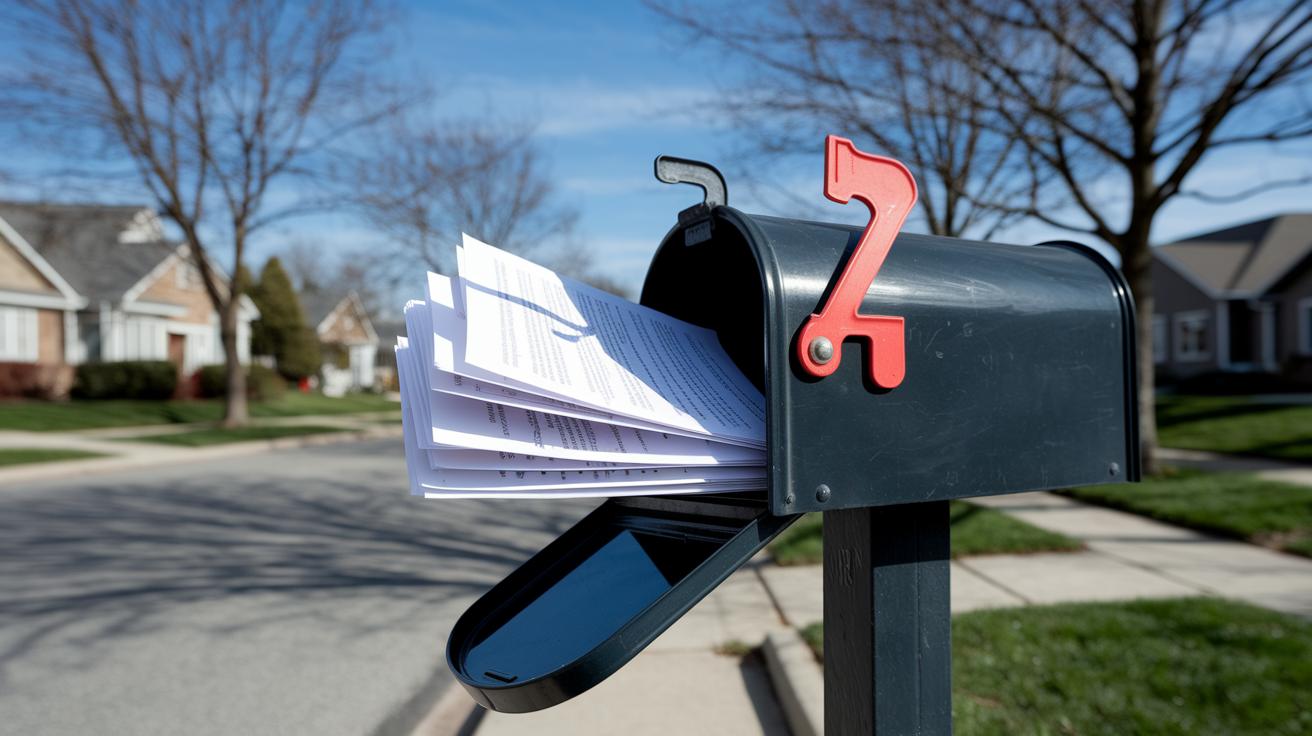
A legal address is the official spot where a person or business gets government mail, including important notices like a call to court (service of process, which means legal notice that you need to appear in court). You can think of it as your go-to mailbox for all those critical documents. Most places in the U.S. want a real street address instead of a P.O. box to make sure you actually get the news you need.
This address is vital because missing a notice can lead to big troubles, such as fines or even judgments against you. Imagine a business that missed a court notice simply because its legal address was outdated – that could cost them a lot. It’s a small detail that makes a huge difference.
Whether it’s for personal matters like tax notices or for business documents such as incorporation papers, your legal address is where all the official communication lands. Regularly checking and updating this address is like ensuring you’re always on track with the law, avoiding needless penalties.
Jurisdictions insist on a physical spot for a reason. It helps them confirm your identity and send you all the legal and tax-related documents without error. In short, keeping your legal address current is a key step toward building solid compliance and preventing any legal headaches down the road.
Registering a Legal Address for Your Business Entity

When you start a business, deciding where your main office will be is one of your very first tasks. State laws often require your company to have a physical office address (not a P.O. box) and a registered agent (a person or service that receives official papers). This address is where the state, creditors, and others will send essential legal documents.
Begin by checking the filing rules in your state. Most states need a street address for your business, which shows that your company has a real, physical location. You’ll also be asked to submit documents like your Articles of Incorporation, which is kind of like leaving a legal footprint for your company.
Next, be ready to handle the fees. Filing these documents usually comes with an initial cost that varies from state to state. And if you ever update your registered office later on, you must file a Statement of Change to keep everything current.
Here’s how to get everything in order:
- Look up your state’s rules about where your business should be located.
- Prepare your Articles of Incorporation with your clear physical location.
- Choose a registered agent to act as your official contact.
- File the required documents and pay the filing fees.
By taking these steps, you make sure your business isn’t just a name. It gains a solid legal presence, ensuring you get important communications without any legal hiccups.
Establishing an Official Mailing Destination: Virtual vs. Physical Solutions

If you need a spot for your business correspondence, you have two main choices: virtual mailing options or a traditional physical location. Both can serve as your official mailing address, but they come with their own benefits and cost details.
Virtual mailing services usually charge between $15 and $50 per month. They scan your mail and forward it digitally so you can check your messages on your phone wherever you are. It’s a modern and flexible solution that works especially well for startups and remote businesses.
On the other hand, physical serviced offices or coworking spaces provide you with an actual street address that many states require. These locations also serve as a spot where an approved agent receives your important legal papers. Having a real place often makes clients and regulators feel more confident in your business.
Here’s a quick breakdown:
| Virtual Mailing | Physical Location |
|---|---|
| Cost-effective and flexible | Meets in-state address requirements |
| Ideal for startups and remote companies | Boosts trust with clients and regulators |
Remember, when choosing between these options, think about what your business really needs. If your state accepts an out-of-state address, a virtual solution might be right for you. But if local laws demand a physical presence, you’ll want a real, in-person address. Balancing your budget with legal requirements is the key to making the best choice.
Compliance and Maintenance of Your Registered Office Address

Keeping your office records in line with the law is vital. Every year, take a few moments to check that your office address is correctly listed in your annual reports or statements. States need these updates so that every legal document reaches you on time. If you forget to update your address after moving, you could face fines between $20 and $100 or even see your business administration shut down. Imagine missing an important legal notice because you used an old address!
Nonprofits have a similar task. They must update their mailing details on IRS Form 990 (a form used by tax-exempt organizations) whenever their address changes. This simple step helps keep your organization in good standing and prevents mix-ups with critical documents.
When you move, it’s smart to follow a clear address registration process like filing a Statement of Change (a formal notice informing authorities about your new address) right away. Here’s what you should do:
| Step | Action |
|---|---|
| 1 | Verify your office address in your annual reports |
| 2 | File the required paperwork immediately after moving |
| 3 | Update mailing details in all official filings |
Following these steps makes sure that your legal address is always current, so you don’t miss any important communications.
Case Studies: Verification Failures and Legal Ramifications
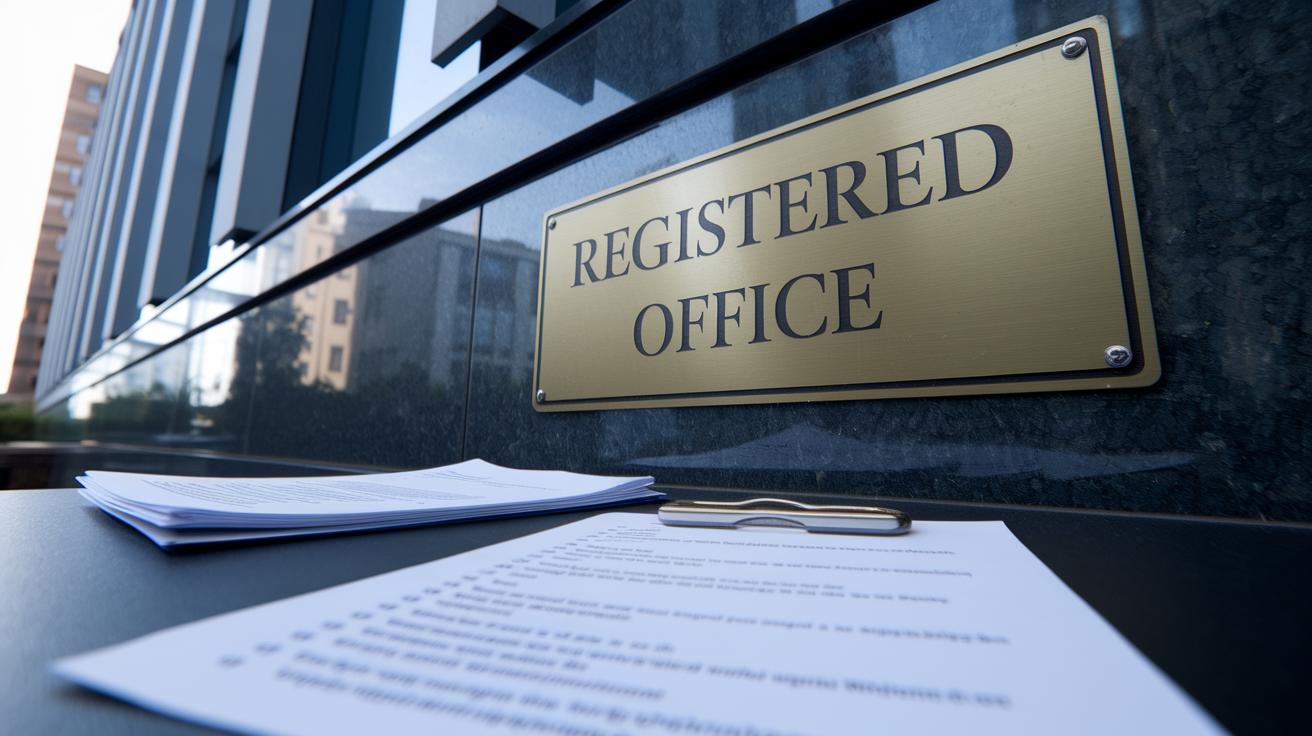
In Smith v. Jones (2020), a default judgment happened because the defendant's registered office wasn’t updated in time. This mistake disrupted the address verification process (the step-by-step method that confirms your current legal address), so legal notices never reached the right person. Imagine missing a key court notice simply because your official address was out of date. Keeping your records current can really help avoid unexpected court decisions.
Another case involved Company X, which used a P.O. box as its registered office. Since the law requires a physical location (an address where someone can be reached), this error led to a $500 penalty. A simple update to a proper street address could have saved the company extra charges and a lot of hassle.
These examples show how important it is to have a proper verification address process. Making sure your registered office details are up to date isn’t just a formality, it’s a solid way to protect your business from sudden legal issues that can impact your success, safeguard your assets, and keep your legal standing strong.
Frequently Asked Questions on Legal Address Requirements

-
Q: Can I use a P.O. box as my legal address?
A: No, you can’t use a P.O. box. You need a real street address. For more details, check out the Physical Address Requirements section. -
Q: What’s the difference between a principal place of business and a registered office?
A: Ever wonder how these two differ? The Business Operations section breaks it down with simple examples and side-by-side comparisons. -
Q: How do I change my legal address?
A: If you need to update your legal address, there’s a clear, step-by-step guide in the Updating Legal Address Information section. Follow the instructions carefully to keep your records current and ensure you don’t miss any important notices. -
Q: What fees should I expect?
A: Curious about the costs? The Cost and Fee Procedures section outlines the fee details, usually showing state amendment fees ranging from $10 to $100.
Final Words
In the action, we walked through the basics of a legal address, its importance, and why keeping it up to date matters. We broke down how to register a business address, comparing physical options with virtual services. We also touched on real-world examples and provided quick answers to common legal address questions.
These insights help build confidence in handling legal requirements. Keep this guide handy and stay informed about your legal address to avoid any unnecessary complications.
FAQ
What is a legal address and why is it important?
A legal address is the official location where government correspondence and legal notifications are sent. It is essential to prevent penalties and ensure proper service of process.
How do I register a business’s legal address?
Registering a legal address involves using a physical street address, appointing an authorized agent, filing the required documents, and paying the necessary filing fees under state law.
What options exist for an official mailing destination for a business?
Options include virtual mailbox services that forward scanned mail or physical offices that offer a designated street address and agent, meeting state requirements for receiving legal mail.
How can I maintain compliance with my registered office address?
Maintaining compliance means updating your registered address on file, filing annual confirmations, and submitting address change documents promptly to avoid fines or administrative actions.
What are the consequences of having an incorrect legal address?
An incorrect legal address can lead to missed notifications, default judgments, fines, and even administrative dissolution of your business if the address is not updated properly.
What distinguishes a principal place of business from a registered office?
The principal place of business is where daily operations occur, while the registered office is the official address for legal and government correspondence; both serve different legal functions.