




Ever wonder if our voting system is truly fair? Recent legal moves are getting people talking all across the country. For example, the USCIS now uses Social Security numbers to check citizenship (a way to confirm who you are). At the same time, state lawmakers are mixing things up with new voting rules, some of them stricter, while others are a bit more relaxed, as we look ahead to the 2024 contest.
These changes are shaking up the voting process and raising important questions about how easy it is to vote and how safe our votes remain. It’s like assembling a puzzle where every piece matters: each new law, whether at the federal or state level, might change how you cast your ballot.
By taking a closer look at these updates, we aim to explain step by step what they mean for you. Think of it as building your understanding one block at a time. Ever notice how one small detail can change the whole picture? This post is here to help clear things up, making the legal process as clear and accessible as possible.
Election Law Legal News Update: Comprehensive Federal and State Overview

USCIS updated their SAVE program so that they can now use Social Security numbers to check a person’s citizenship. This new step is meant to stop noncitizens from voting by setting up one solid database for these checks. Picture a voting system where every single step is as smooth as oil, keeping the process safe from start to finish.
At the state level, lawmakers are making changes ahead of the 2024 elections. In fourteen states, new laws have tightened voting rules. These rules include stricter mail-in ballot steps and more careful ID checks. But then, twenty-three states took a different route by passing laws that make it easier to vote. This mix shows how different states are choosing their own paths.
In Michigan, a set of new laws, SB 367, SB 370, HB 4697, and SB 373, gives voters more chances to vote early. They have extended early voting to nine days, made mail voting simpler, added more drop-box spots, and widened the list of acceptable IDs. Over on the East Coast, New York has bills A 4009, S 1733, and S 5984 aiming to get more people registered, especially those who were once incarcerated or are in high school. They also allow voter registration on the same day you vote. In Nevada, a package of laws including SB 327, SB 216, and AB 286 seeks to improve voting on Native Reservations, make voting easier for disabled voters, and lend extra support to people in prison who want to vote.
Meanwhile, Connecticut’s SB 1226 focuses on giving cities a closer look if they have a history of treating voters unfairly. This law also steps up the penalties for trying to intimidate voters, keeping in line with recent guidance from the Supreme Court.
Election Law Legal News Update: Key Court Rulings and Judicial Insights

Lately, court decisions are shaking up how election laws are applied. In Kansas, there’s a proposal to change how state Supreme Court judges are picked. Instead of using a selection process based on merit (choosing candidates for their skills and experience), voters might soon decide directly. Imagine each judicial candidate facing a public vote, it’s a big shift that could change how judges work independently.
Over in New York, a lot of talk surrounds the ES&S ExpressVote XL machine. Its barcode-based vote count has raised questions about whether it meets the state’s election standards. Ever remember a time when a technical glitch made people worry about system reliability? That moment reminds us that every single detail truly matters.
A recent 5-2 ruling kept state and county election boards under Republican control. This party-line decision shows how political leanings can steer administrative choices, even in cases that affect the courts.
Meanwhile, in North Carolina, lawsuits challenging election-denial claims are stirring up a debate over free speech rights (the First Amendment protects our right to speak freely). And far away in Venezuela, the ruling party’s declaration of victory amid an opposition boycott has sparked international worries about fair elections.
Next, visit legal regulatory updates for more context on these important shifts.
Election Law Legal News Update: High-Profile Controversies and Case Studies
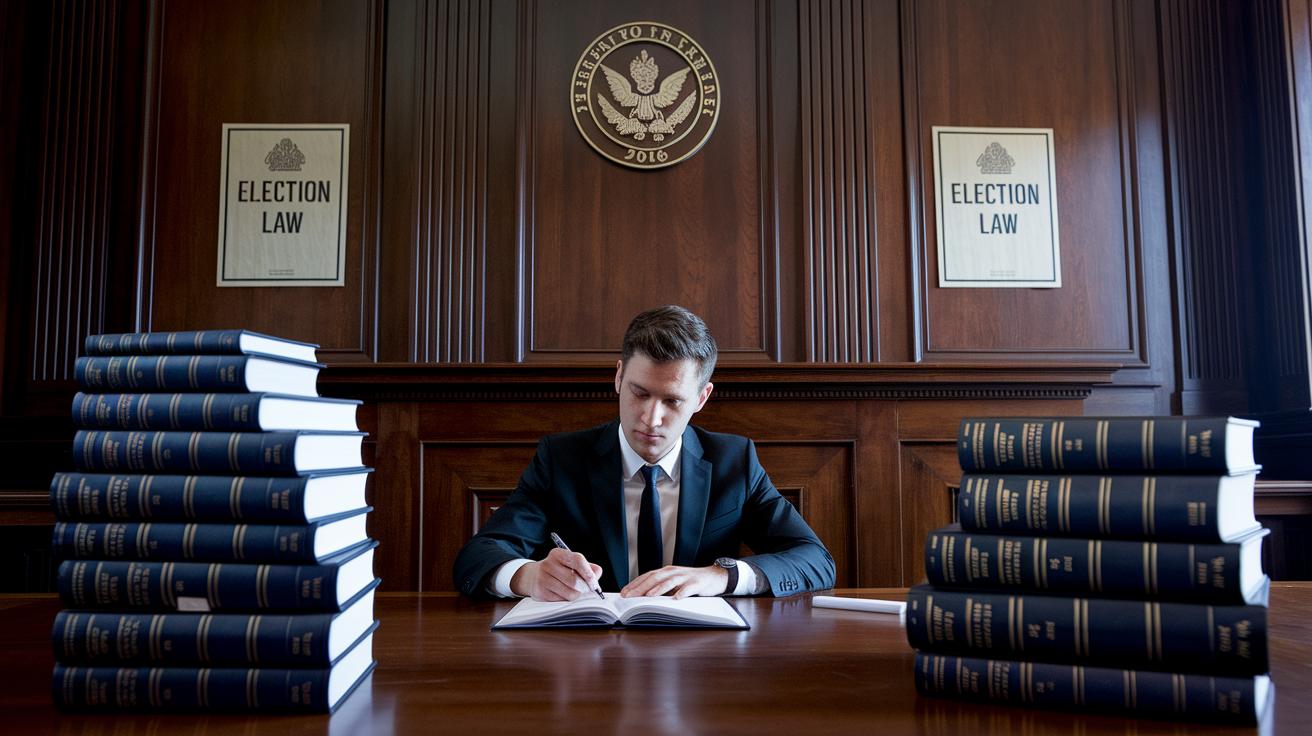
Election law issues are stirring up strong debates that shape our voting system. The ES&S ExpressVote XL machine is in the spotlight because its barcode-tally process is raising doubts about its audit trail (a record used to check votes) and highlighting potential cybersecurity gaps. Think of it like a safe where the lock might be picked by someone with just the right tool. Meanwhile, reports that a Qatari agent donated money to congressional offices are sparking talks about possible foreign influence on our elections.
In North Carolina, lawsuits that deny votes are challenging free speech protections under the First Amendment (a law that protects our right to speak freely). These legal actions also show problems with how votes are managed, which might affect the final outcome. At the same time, Donald Trump’s $600 million reserve is fueling debates about campaign finance, influencing plans for both midterm contests and the 2024 election. On the international stage, Venezuela’s opposition boycott and claims of irregular vote counts add to global concerns over election fairness. These disputes remind us that even a small slip-up can lead to big legal clashes.
Election Law Legal News Update: Campaign Finance and Policy Reform Trends

Recent talks about limits on campaign spending and rules for money disclosure are heating up discussions in many states. Lawmakers are now looking at whether stricter finance reporting rules might change how campaigns operate. Think of it like reviewing each campaign expense as if you were balancing a checkbook. Every dollar really matters.
In Michigan, efforts to simplify mail voting and add more drop-boxes are connecting with these finance rules. This change makes voting easier and calls for more open handling of campaign funds. Imagine a situation where easier voting goes hand in hand with keeping a close eye on every expense, just like checking your receipts after a shopping trip.
In Nevada, AB 286 ties funding for tribal voting help directly to clear campaign-finance rules. This new rule makes sure that money used to improve voting access is tracked carefully, much like comparing every entry in a detailed ledger.
On the national level, federal proposals aim to put tougher limits on dark-money contributions (money from unknown sources in political campaigns) and boost oversight on Political Action Committee (PAC) disclosures. Picture these proposals as a bright light that shows every hidden transaction in campaign finance. It’s a step toward a more open and honest political process.
These measures show a clear trend of combining efforts to protect election integrity with stronger political oversight.
Election Law Legal News Update: Expert Commentary and Analytical Perspectives

Law professors and legal scholars are diving into hot topics in election law. They discuss issues like disinformation controls and limits on the First Amendment in clear, everyday terms. One professor put it simply: "It’s a bit like checking each piece of a big puzzle, every piece must fit to protect free speech and stop misleading info." They also point to voter-suppression laws, which now face tough checks, especially when it comes to fair signature-match rules.
Scholars are also weighing in on AI tools like Plural. They see these digital helpers as useful for keeping track of important deadlines during state legislative sessions. But they warn that we must keep a close eye on them. One expert compared using this technology for tracking to having a digital watchdog, which works best when its actions are balanced with proper oversight.
Attention is also turning to how candidates qualify and the way ballots are designed. Experts say that clear legal standards are essential to avoid election disputes. In short, these discussions are offering thoughtful insights that could shape future reforms in election law.
Election Law Legal News Update: Upcoming Legislative and Regulatory Changes
Lawmakers nationwide are considering new rules that might change how people vote in upcoming elections. In Florida, the 2024 session is getting a lot of attention. Lawmakers there are looking at bills to lengthen early voting hours and put in extra ballot drop boxes. Regulators are using Plural (a tool for tracking deadlines) to keep up with these fast-changing schedules.
In Nebraska, LB 514 might soon require mail-in voters who don’t have a state-issued ID to provide a copy of an approved photo ID. This extra check could make the voting process tougher for many people.
Mississippi is looking at SB 2358, which would make it a criminal offense to help out with absentee ballots without proper authorization. This proposal has many people talking about how voters can get the help they need without running into legal trouble.
In Texas, SB 924 would let poll sites be combined, which might mean longer travel distances for voters, whether they live in big cities or small towns. Other states are also reviewing changes like updates to provisional ballot rules and adjustments to same-day voter registration times. These changes aim to simplify vote counting while ensuring elections stay secure and easy to access for everyone.
Final Words
In the action, the blog post unraveled significant shifts in legislative changes, judicial decisions, and prominent case studies. It broke down updates from federal to state levels, explored controversies in ballot measures, and discussed campaign finance reforms.
Each section provided clear explanations with real-life examples to bring legal insights closer to everyday practice. The detailed discussion reinforces the value of staying current with an election law legal news update.
FAQ
Q: What does election law news update include?
A: The update covers federal and state voting laws, detailing new rules, legislative changes, and court decisions that shape how elections are run.
Q: What information do election law blogs provide?
A: Election law blogs share current legal discussions and expert opinions, making it easier to understand new policies, court rulings, and changes in election procedures.
Q: What topics are discussed in the Election Law Journal?
A: The Election Law Journal presents expert commentary on court decisions, voting challenges, and legislative updates while offering clear legal perspectives from recent case studies.
Q: How do election law updates cover election results?
A: Election law updates explore how recent legal rulings and changes influence election outcomes by highlighting shifts in vote counting, state board practices, and election procedures.
Q: Who is considered an election law expert?
A: An election law expert is someone well-versed in voting rules, campaign finance rules, and legal challenges, offering informed insights on recent changes in election laws.
Q: What role does the Campaign Legal Center play?
A: The Campaign Legal Center examines campaign finance regulations and provides detailed analysis on legal updates, focusing on reforms related to political donations and spending limits.
Q: What is the significance of Election Blog 538?
A: Election Blog 538 is known for its data-based analysis and clear breakdowns of electoral trends, offering readers insights into legal updates and the impact of election policies.