



Have you ever noticed that many people find themselves in legal battles without enough help? Legal aid organizations are here to change that. They offer free or low-cost services (legal support provided without high fees) that can really make a difference in someone's life.
Imagine needing legal advice and making just one phone call that opens the door to immediate support. These groups help with everyday legal problems, ensuring that everyone has a fair shot in the system.
In this article, we're taking a closer look at how legal aid organizations empower communities and make justice something we can all reach.
Legal aid organizations: Empowering Justice for All

Legal aid organizations are nonprofit groups that help people get legal support so everyone can have a fair chance at justice. They offer free or low-cost legal services to cut out the obstacles that stop many from finding legal advice and representation. Imagine someone discovering that one quick phone call can unlock the door to legal help when they need it most.
These groups make it easy to get help through simple channels. You can apply online, call their special number (800-399-4529), visit a clinic, or set up an in-person meeting. They also run workshops, one-on-one sessions, and easy-to-use computer programs that walk you through each step of the legal process. Plus, they offer support in many languages, including English, Spanish, Cantonese, Mandarin, Tagalog, Khmer, Korean, Japanese, and Vietnamese.
They mainly serve low-income individuals, usually those making less than 125% of the federal poverty line (a standard measure of low income), though sometimes they make exceptions for special cases. Phone help is available from 9 a.m. to 12 p.m. on weekdays, so you can quickly learn if you qualify and get the legal aid you need.
Eligibility Requirements for Legal Aid Organizations

Legal aid groups set clear rules about who can get free legal help when money is tight. Usually, you need to earn less than 125% of the federal poverty guidelines (a standard measure of income relative to poverty), but there are important exceptions. For example, if you're facing domestic violence or have civil rights issues, you might still qualify even if you earn more than the usual limit. Often, you can set up a free consultation with an attorney by calling a help hotline or attending a short screening session, so you can get started without any added financial worry.
| Program Type | Income Threshold | Exceptions |
|---|---|---|
| General Legal Aid | Under 125% FPL | None |
| Housing Support | Under 125% FPL | Urgent housing issues may qualify |
| Domestic Violence Aid | Any Income Level | All domestic violence cases are accepted |
You’ll need to provide some documents, like pay stubs, tax returns, or other proof of income, so your eligibility can be confirmed. In some cases, legal aid providers might accept extra evidence to help anyone facing serious legal problems get the support they need.
Geographic Reach of Legal Aid Organizations

Legal aid organizations bring essential legal help to neighborhoods and even across entire states. In big cities like Greater Los Angeles and New York City, local clinics make it easy to get legal advice quickly, ensuring residents receive the support they need without delay. Statewide programs, such as those led by coalitions like the Legal Aid and Advocacy Coalition in California (groups coming together for a common goal), work hard to spread specialized legal services wherever people may be.
At the national level, legal aid gets a big boost from federal programs funded by the Legal Services Corporation (a nonprofit that helps provide legal aid). County counsel centers and community justice centers join forces to offer support in busy urban spots as well as rural areas. This teamwork helps make sure that legal help reaches every corner of the country.
Core Services Provided by Legal Aid Organizations
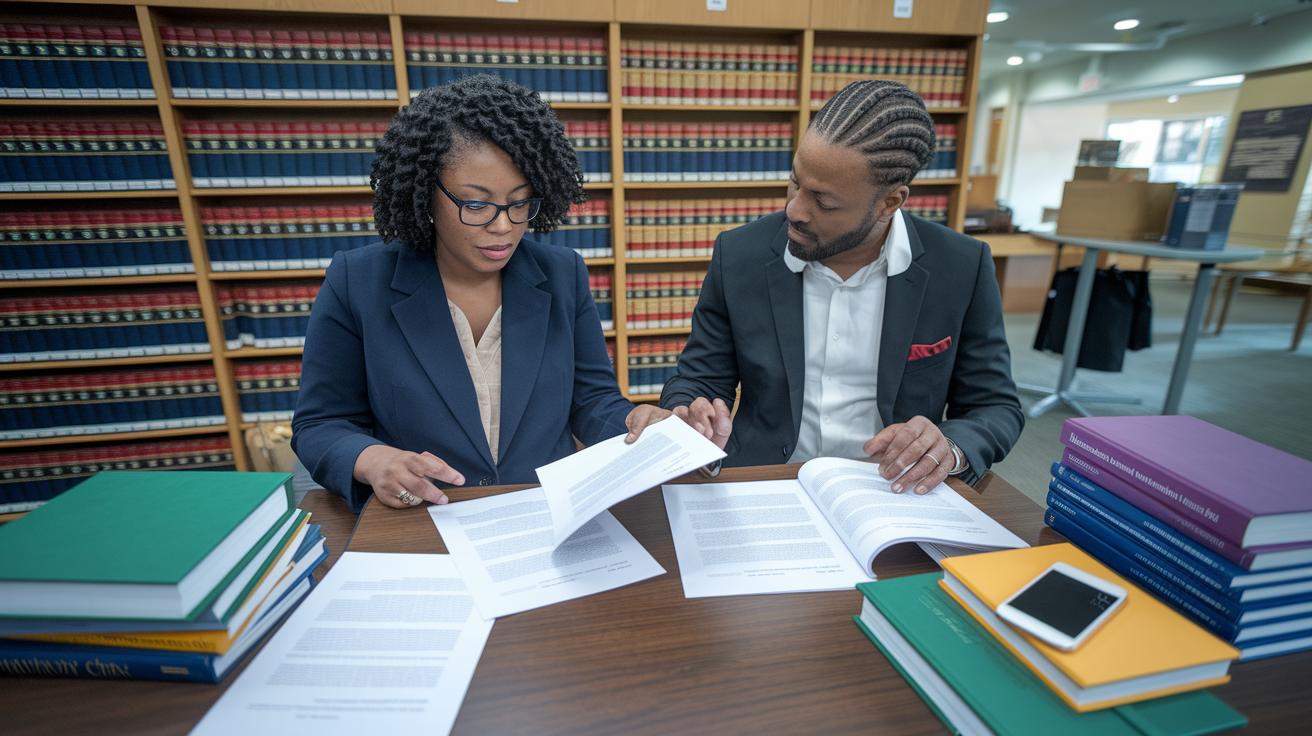
Legal aid organizations work hard to help people with a variety of legal challenges, breaking down complex issues into clear, step-by-step guidance. They’re here to make sure you don’t have to face tough legal battles on your own.
They can support you with:
- Police encounters by helping with arrests, bail, and jail time matters.
- Debt issues, along with tax or small business concerns.
- Family law questions, whether it’s divorce, child custody, child welfare, or foster care.
- Cases of domestic violence to keep you safe.
- Housing problems, like fighting foreclosure, defending against eviction, or preventing homelessness.
- Immigration needs, including support with deportation defense or managing application processes.
- Juvenile cases and school-related rights, ensuring fair treatment for young people.
- Claims and appeals for government benefits, particularly with disability or HIV/AIDS health issues.
- Wrongful conviction cases, clemency efforts, and appeals to address court errors.
By providing these services, legal aid organizations create a safety net that helps protect your rights when you need it most. They work with clients to simplify confusing legal procedures, ensuring that everyone gets clear, compassionate, and professional advice, especially those from marginalized groups, such as individuals in the LGBTQ+ community or from diverse cultural backgrounds.
Steps to Apply with Legal Aid Organizations

-
Locate a provider
Start by looking up free law clinics in your area or checking online for attorney assistance on community law resource center websites. These sites list legal aid groups along with easy-to-follow application details. -
Verify eligibility
Make sure you meet the income limits and other requirements by reading the guidelines provided. You might need to make a quick call or even drop by a walk-in clinic for a brief screening. -
Prepare documentation
Gather documents like your income proof, valid ID, and any other legal records. If your case involves issues like domestic violence or housing, you may need extra paperwork. -
Submit your application
You can fill out your application using an online form, over the phone, or by setting up an office visit. Many organizations even offer computer kiosks and one-on-one workshop sessions to help you complete the process correctly. -
Follow up on status
After submitting your application, call during their service hours (Monday–Friday, 9 a.m. to 12 p.m.) to check your status or clear up any questions.
Tips for successful submission:
Review your forms carefully, double-check all your documents, and don’t hesitate to ask staff for help during your initial screening. Being thorough and prompt can really smooth out the process.
Impact and Success Metrics of Legal Aid Organizations

In New York City, the Legal Aid Society helps more than two million people, and other programs support anywhere between 150,000 and 480,000 clients every year. Big wins include a court-ordered receivership for city jails (where the court takes control to ensure fairness), backing for a state housing voucher pilot, and wage-theft lawsuits that protect home health workers. These successes show that legal aid groups don't just handle many cases, they also win important battles that keep underserved communities strong.
Thousands of low-income people have been helped to avoid eviction, get fair hearings, and access federal benefits. Think of it like building your case piece by piece; each win helps transform lives and strengthen neighborhoods, a truth confirmed by various legal initiatives and reports from indigent legal services.
Legal aid organizations keep pushing forward through persistent advocacy, nonprofit justice efforts, and deep community outreach. They’re committed to making clear improvements in our justice system and ensuring that legal help is within reach for everyone.
Volunteer and Pro Bono Opportunities in Legal Aid Organizations

Legal aid organizations welcome both lawyers and non-lawyers who want to make a real difference in their communities. They’re looking for attorneys, fellows (like those in the Dan Bradley Fellowship), and passionate volunteers who can support clinics, push for policy changes, and help educate the public. Whether you’re handling hotline intake, teaching workshops, assisting with casework, or even serving on a board, your work means people get affordable legal help when they need it most.
There are also chances to boost your legal skills and get recognized. Special programs such as the 48th Annual Servant of Justice Awards and leadership training help highlight outstanding service. Plus, partnerships with corporate advocates show a strong commitment to offering low-cost legal services. In short, these roles are a great way to leave a lasting impact on the legal system and help everyone have access to the legal support they deserve.
Final Words
In the action of the blog post, we explored what legal aid organizations offer by outlining their missions, services, and how they assist low-income communities. We broke down practical steps to apply for help and provided insight into the measurable impact of various programs.
This article builds a clear picture of legal support channels, empowering you with the information needed to discuss legal trends confidently. Keep this clarity in mind as you apply these insights, and enjoy the benefits of a well-informed legal community.
FAQ
What does legal aid help with?
Legal aid helps with civil issues such as housing, family matters, immigration, and more. It provides free legal advice and representation to individuals who might struggle to afford conventional legal services.
Where can I find legal aid near me?
Finding legal aid near you involves checking local clinics, community centers, or online directories. For example, in Pennsylvania, accessible aid offices help those who cannot afford a lawyer.
How can I access free legal advice or free lawyers for low-income families?
Free legal advice and assistance come through hotlines, online applications, and community programs. These services offer immediate support for low-income families needing professional legal help.
Does Texas have free legal aid available?
Texas offers free legal aid supported by nonprofit organizations. These groups help low-income residents by providing access to necessary legal counsel and related services at no cost.
What is the maximum income to qualify for legal aid?
Qualification for legal aid typically requires income under 125% of federal poverty guidelines, though some specialized services may accept cases that exceed this threshold under certain conditions.
What is the difference between legal aid and a lawyer?
Legal aid provides free or low-cost legal support through nonprofit organizations, while a lawyer is a paid professional you might hire independently to address your legal needs.
I need a lawyer and I have no money—what should I do?
If you have no money, legal aid programs offer free legal consultations and representation for qualifying individuals, ensuring that financial constraints do not bar you from necessary legal assistance.