


Ever wonder if survivors of workplace harassment finally have a fair shot in court? New legal changes might be turning the tide. A fresh federal law now stops forced arbitration (a way to settle disputes outside court) and a big Supreme Court decision has changed how courts handle these claims. This means the legal system is trying to be fairer. In this post, we'll break down what these updates mean for employees and show how growing awareness is fueling real progress in tackling workplace abuse.
Key Updates in Legal News on Workplace Harassment Cases
Workplace harassment claims are growing by about 10-20% each year, which shows that more people are worried about abuse on the job. A 2022 federal law stopped forced arbitration for these claims. That means survivors can now choose to have their case heard by a jury at trial. In June 2024, the Supreme Court ruled in Loper Bright Enterprises v. Raimondo. This decision removed Chevron deference (a legal rule where courts give extra weight to decisions by government agencies) from cases that once followed EEOC guidelines. Essentially, the high court now has the final say, giving survivors a real chance to be heard.
A 2024 study revealed that 91% of U.S. workers have faced discrimination, and more than 2 million employees deal with workplace violence each year. Workers during night shifts and those in transport roles are especially at risk. These updates point to major changes in legal decisions about abuse claims and workplace misconduct. In short, the legal landscape is shifting, and organizations now need to rethink their policies to protect every employee.
High-Profile Workplace Harassment Case Summaries in Legal News
In 2024, three major cases changed the way workplace harassment is handled. The Merriman v. Bugibba Independent case was looked at under the Equality Act 2010 (a law that stops unfair treatment based on personal characteristics). This case made it clear that harassment can continue to harm even after an employee responds to sexual advances. One judge put it simply: "The treatment following a response to advances can inflict lasting harm."
Then there was the Bratt v. JGQC Solicitors Limited case, which drove home how serious sexual misconduct in the workplace is. In this case, ongoing sexually charged banter was enough to create a hostile work environment. Even if some colleagues see the remarks as jokes, the court ruled that repeated comments can make an employee feel unsafe and disrespected. As one court observation noted, "Repeated offhand comments add up to a pattern that no one should tolerate."
Lastly, the Sieberer v. Apple Retail UK case broke new ground by linking unfair dismissal claims to the lack of proper anti-harassment policies. This ruling showed that when companies fail to set clear rules and procedures for investigating misconduct, they risk unfair dismissal claims. For example, sharing inappropriate images without solid guidelines can lead to disputes about termination. One court opinion summed it up: "Without a formal policy to address misconduct, disciplinary actions risk being seen as unjust."
Each of these cases shines a light on different facets of workplace harassment. They set important legal benchmarks that continue to affect how harassment and discrimination claims are built and argued in court.
Judicial Precedents & Legal Reforms in Workplace Harassment Litigation
Employers now face new rules that push them to build clear, proactive policies from the start. They need to act quickly and take reasonable steps (actions that are seen as fair and proper) to stop harassment before it begins. Think of it like putting together a puzzle: revised policies, regular training sessions, and clear reporting channels all fit in to keep the workplace safe. For example, update your training so every employee knows exactly how to report an incident, much like every tick of a clock counts.
These legal updates are changing the way companies work long-term by encouraging a habit of ongoing review and improvement. Businesses are retooling their internal systems, knowing that a strong policy now sets the stage for how courts might see these measures in the future and helps cut down potential risks. Legal experts point out that this shift leads to a quicker, more flexible approach in handling workplace issues, laying the groundwork for courts to closely examine these preventive steps in years to come.
Trends in Employee Mistreatment Litigation and Harassment Verdicts
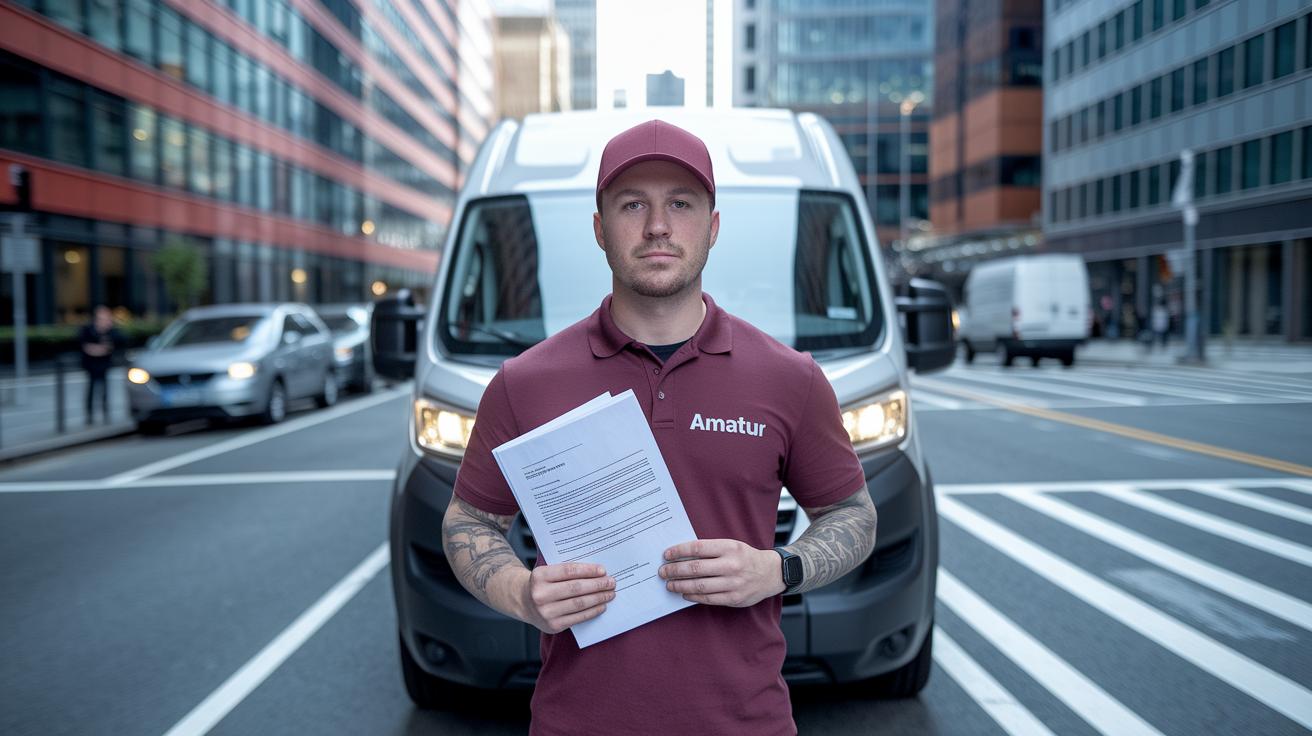
Workplace harassment claims are climbing by about 10 to 20 percent each year. More people are stepping forward to report mistreatment, especially those in jobs like delivery driving, taxi services, and night shifts, roles where risky situations happen more often. This growing trend means more folks are seeking legal help and better job protections.
Since the forced arbitration ban took effect, we’re seeing a surge in jury trials. Now, everyday community members get to weigh the facts and decide the outcome rather than resolving disputes quietly behind closed doors. Some cases culminate in compensatory awards in the five-figure range, while others, when the behavior is especially severe, end with punitive damages. In short, the courts are ready to impose strong penalties when harm and judgment errors lead to serious consequences.
Legal experts say that this rise in employee mistreatment lawsuits is setting new benchmarks for the workplace. They note that clear evidence of wrong actions, especially in high-risk areas, is pushing more cases to go to trial. In summary, this shift emphasizes accountability and the need for clear, supportive workplace policies.
Company Conduct Policy Changes Amid Workplace Harassment Cases

Companies are rethinking their rules to ensure everyone feels safe while at work. They’re now putting written anti-harassment policies in place that clearly explain how to report any issues. For instance, an announcement might read, “Submit your complaint via our online portal,” much like following clear signs in a store. This lets employees know exactly what to do and shows that harassment won’t be taken lightly.
Taking these proactive steps not only saves time, money, and stress in the long run but also makes the workplace a better, safer place for all. Here are a few practical measures companies are using:
| Step | Description |
|---|---|
| Clear Policy | Establish a written anti-harassment policy with no room for doubt. |
| Streamlined Reporting | Create simple internal channels for quick complaint filing. |
| Mandatory Training | Require anti-discrimination training for everyone, from staff to leadership. |
| EPLI Investment | Consider Employment Practices Liability Insurance (insurance that protects from employment lawsuits) for extra security. |
HR teams are also getting round-the-clock support through advice services and legal help platforms with fixed annual subscriptions. Think of these services like a reliable safety net, similar to wearing a seatbelt when you drive. This approach not only cuts down on legal risks but also helps create a work environment where every employee understands both their rights and the rules in a clear, straightforward way.
Expert Commentary on Worker Rights and Workplace Harassment Cases
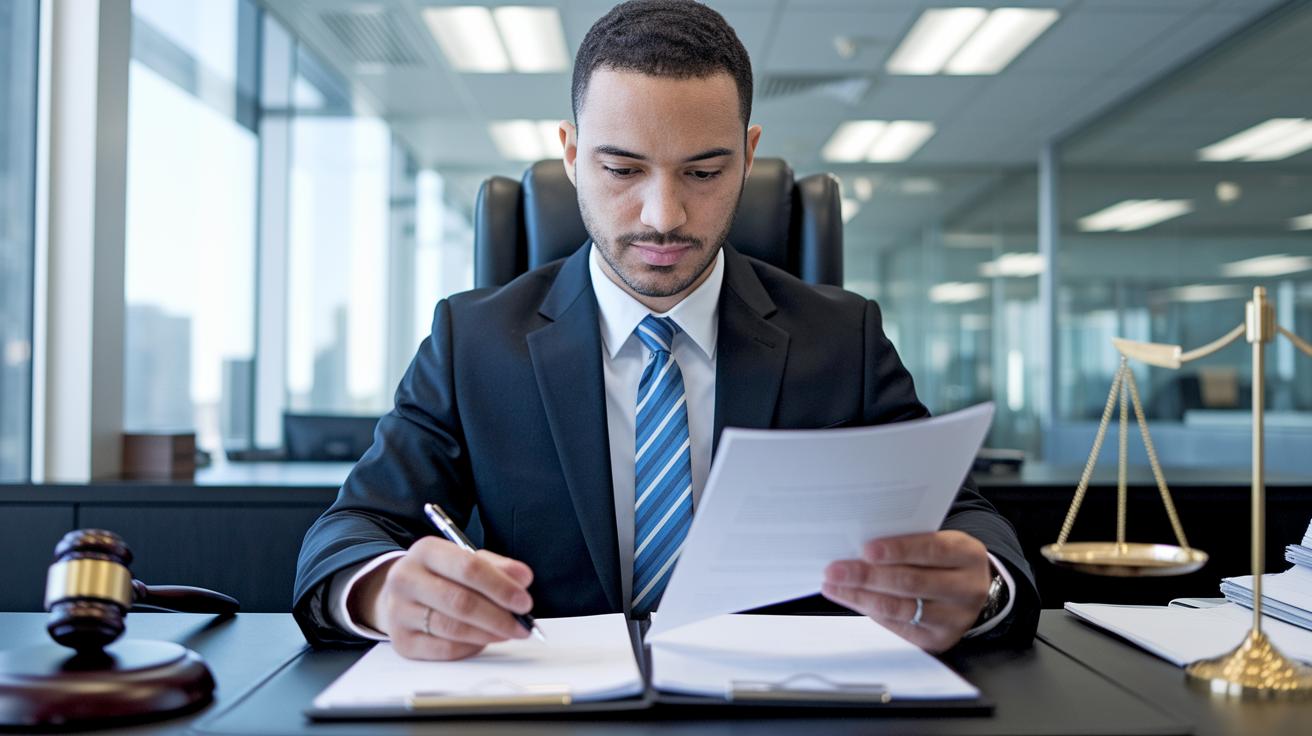
Employment lawyer Robert Ottinger says employers must act fast when issues pop up. He recommends calling in outside counsel quickly to make sure any harassment reports get a speedy, effective response. Ottinger, with offices in San Francisco, Los Angeles, and New York, has seen that quick action stops problems from growing worse. For example, one worker shared, "Immediate intervention helped preserve my dignity at work," showing just how important a prompt response can be.
After the #MeToo movement, more employees are ready to get skilled legal help because they trust their concerns will be taken seriously. Experts remind us that every organization has a duty (an obligation to act) to provide a harassment-free workplace. Workers are encouraged not only to report wrongdoings but also to expect that their employers enforce clear anti-harassment rules. Ottinger once noted that handling each claim with the urgency it deserves helps build trust and protect worker rights. This friendly guidance lets employees know their rights and helps companies improve their rules to better take care of everyone.
Emerging Trends in Workplace Harassment Law and Litigation

Lately, changes in the law are reshaping how workplace harassment cases are handled. With the reversal of Chevron deference (a legal principle that used to give agencies more control), courts now have a bigger voice in these disputes. It’s a bit like finding that perfect puzzle piece that makes everything click.
More cases are crossing state lines these days. As claims move from one state to another, lawyers face different rules and extra steps at every turn. Imagine a case packing on more layers of complexity with each new state – that’s exactly what’s happening, and legal teams are gearing up for a surge in these multistate battles.
Lawmakers are also eyeing new changes to strengthen worker protections. They’re considering rules that would make employers work harder to stop harassment before it starts. As more details come to light and more reports surface, experts expect the number of these cases to grow quickly.
So, to sum it up:
- Expanded federal oversight after Chevron’s reversal
- Rising challenges from multistate claims
- Potential new laws to fortify worker protections
All these shifts point to a future where both regulatory changes and keen legal insights work together to build a fairer, more responsive system for tackling workplace harassment.
Final Words
In the action, workplace harassment law is shifting with landmark cases and fresh reforms. We broke down key judicial decisions, policy changes, and emerging trends, reflecting real numbers and actionable insights that matter in today's legal arena.
We explored actionable updates in company policies and examined new legal frameworks that support worker rights. Overall, our discussion on legal news on workplace harassment cases invites a hopeful perspective, empowering legal professionals to stay informed and proactive in their practice.
FAQ
What are examples of harassment cases in the workplace?
The examples of harassment cases in the workplace include unwanted sexual advances, hostile comments, and bullying that create a toxic work environment. Notable cases have set clear legal standards for harmful behavior.
How are workplace harassment settlement amounts determined and what are typical figures?
The settlement amounts in workplace harassment cases are based on case specifics, the strength of evidence, and the harm suffered, with awards ranging from five-figure compensations to larger punitive sums in serious cases.
What is significant about the EEOC v. Red Robin International, Inc., case no. 2:22-cv-01378?
The EEOC v. Red Robin International, Inc. case clarified how harassment claims are handled legally, providing insight into employer responsibilities and influencing future court decisions on similar workplace conduct issues.
How much is a harassment lawsuit generally worth?
The worth of a harassment lawsuit depends on factors such as the severity of the misconduct and supporting evidence, typically resulting in awards starting in the five-figure range and increasing with clearly egregious behavior.
What is notable about the EEOC v. Genesh, Inc., case no. 2:24-cv-02445?
The EEOC v. Genesh, Inc. case underlines the legal expectations for behavior in the workplace and shows how courts assess claims of harassment, impacting how similar cases are argued and settled.
What does Walmart’s harassment policy cover?
Walmart’s harassment policy covers procedures for reporting unwanted behavior, outlines steps for investigating claims, and establishes consequences for actions that create a hostile work environment for employees or customers.
What defines workplace harassment in court cases?
Workplace harassment in court cases is defined as repeated unwanted or harmful behavior that creates an intimidating or unsafe work setting, with legal reviews focusing on the impact and frequency of such actions.
How is a case of a Walmart employee harassing a customer handled?
A case where a Walmart employee harasses a customer is handled by investigating the incident, applying relevant company policies, and taking disciplinary or legal action if evidence substantiates the report.
What counts as workplace harassment?
Workplace harassment counts as any repeated behavior, comments, or actions that create a toxic, intimidating environment, interfering with an employee’s ability to work with dignity and safety.
What does HR do when harassment is reported?
HR initiates an investigation, gathers and reviews evidence, and works to resolve the situation by applying disciplinary measures or corrective actions to support a safe workplace.
What type of evidence is required for a harassment lawsuit?
Evidence for a harassment lawsuit can include emails, witness statements, and documented incidents that together prove a pattern of behavior that contributed to a hostile or unsafe work environment.