



Have you ever wondered if one small mistake might change the verdict? Appellate case analysis focuses just on the official record, checking nearby transcripts, exhibits, and earlier decisions for true mistakes. This review isn’t about redoing a trial, but about carefully combing through details to find real errors.
Today, we break the process into clear steps that help keep justice fair. Think of it like building your case one piece at a time. Read on as we explore a method that brings clear, bold legal insight to an essential part of our court system.
Appellate Case Analysis: Bold Legal Clarity
When an appeal happens, it isn’t like a brand new trial. Instead, the court simply checks the record for legal mistakes. They don’t listen to live testimony but stick to what was officially recorded, like transcripts, exhibits, and decisions from the lower court. Think of it as reading a well-kept diary of court events instead of watching them unfold in real time.
The steps in an appeal are straightforward. First, you file a notice of appeal, usually within 30 days after the judgment. Then, you submit written briefs that explain the trial court’s errors. After that, lawyers present oral arguments within strict time limits before a group of judges, who then decide by a majority vote. It’s a bit like following a recipe: every step must be done correctly, with no extra ingredients added.
Securing a win in an appeal is hard because you have to show that the error actually affected the outcome. Appellate judges ask, “Did the trial court make a mistake that really matters?” They check if the decision was within the range of acceptable choices. By focusing only on the written record, these courts work to keep the process fair and clear without redoing the entire trial.
Understanding Standards of Review in Appellate Case Analysis

When appellate courts review a case, they use different rules based on the issue in question. For legal questions, the court applies a de novo review, which means it takes a fresh look without relying on the trial court’s decision. It’s a bit like checking a recipe’s ingredients all over again, with no preset ideas in mind.
For factual findings, though, courts don’t dig as deeply. They use what’s called a clear-error review. In simple terms, this means the trial court’s results stand unless they are clearly wrong, kind of like trusting a measurement unless you can see an obvious mistake.
When it comes to discretionary decisions, especially those involving what evidence to accept, things work a little differently. Judges will back these choices as long as they fall within a reasonable range. For instance, in the Steinbuch v. Stern case, the trial court was reversed for excluding expert testimony because it went too far in using its discretion. The Eastway Constr. Corp. v. City of New York case is another example showing that these decisions have limits and shouldn’t be made on a whim.
In short, there are three main standards: de novo for legal questions, clear error for facts, and abuse-of-discretion for choices made at a judge’s discretion. Each rule helps ensure that the appellate review is careful and fair.
Appellate Case Analysis: Structuring Briefs and Arguments
Start by writing a notice of appeal. Make sure you file it on time and clearly mark when your review begins. Then, put together a statement of issues that shows exactly where the trial made mistakes. For example, you might say, "The trial court made an error by leaving out important expert testimony that affected a fair review of the facts."
Next, prepare the statement of the case. Here you should explain the events and decisions from the trial in clear, simple steps. Think of it like putting together a puzzle, where every piece, court records, facts, and decisions, helps reveal what went wrong.
After that, work on your summary of argument. Connect the facts to legal rules and explain how court decisions support your view. You might write, "Established legal rules show that leaving out key evidence goes beyond what judges can decide, as seen in other cases."
Also, think about including amici curiae briefings (notes from outside experts or groups) to add extra support. These inputs from newspapers or government agencies can show the community impact of the case.
Finally, wrap everything up with a conclusion that brings all your points together. Emphasize why the appellate court needs to fix the errors made at the trial.
- Notice of appeal
- Statement of issues presented
- Statement of the case
- Summary of argument
- Conclusion
Bench Opinion Examination in Appellate Case Analysis
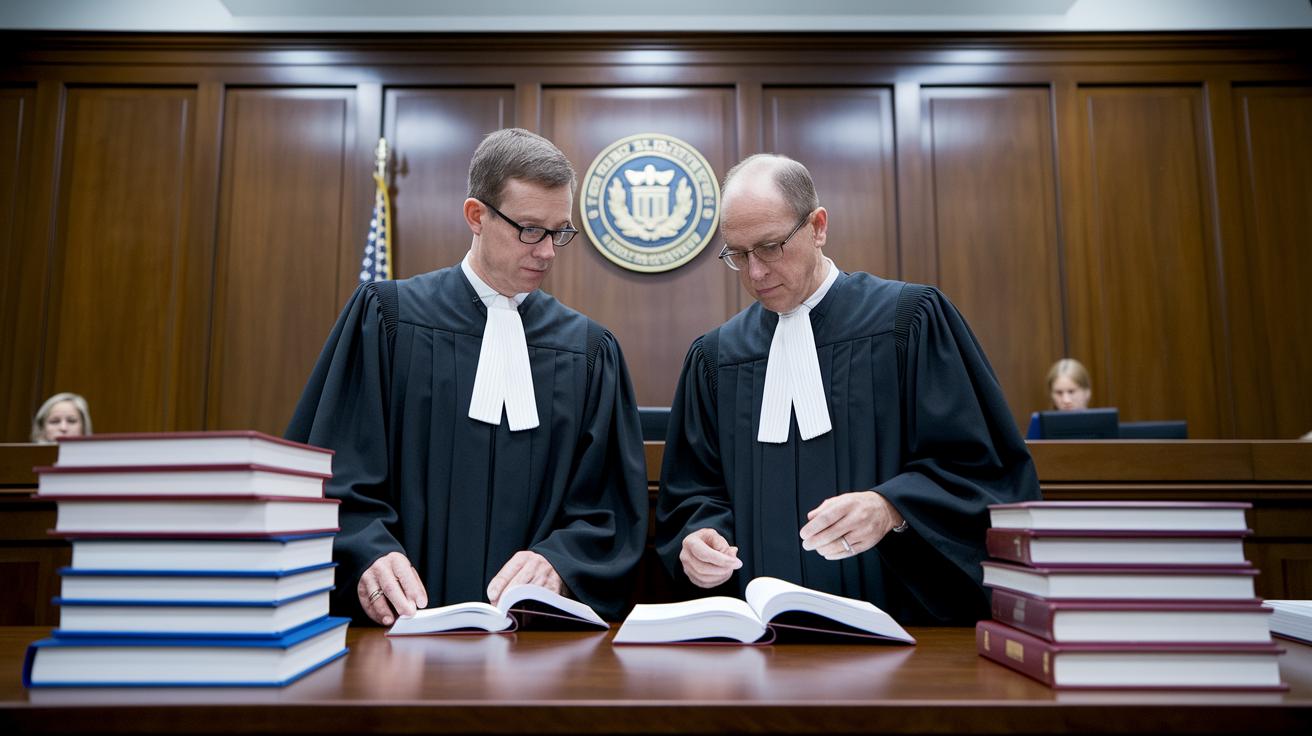
When judges review an appeal, they share opinions that work like a roadmap to explain the court’s decision. The main opinion lays out the core reasons behind the ruling. At the same time, different judges sometimes share extra points in their concurring opinions or share other ideas in dissenting opinions (these are views that don’t match the main decision). For example, one judge might say, "I believe the error was significant enough to require a reversal," showing just how important that mistake was.
Oral arguments are another key part of this process. Typically, the appellant starts by presenting their best points, and then the respondent has a chance to reply. After that, a panel of three or more judges asks questions to clear up any confusion. This friendly back-and-forth helps show where the judges agree and where they see things differently.
In the end, most judges decide the case by voting, but those dissenting from the majority can hint at how later cases might be viewed. For instance, one dissenting judge might say, "My concern is that this ruling may set a precedent for narrow interpretation in similar cases." Such comments encourage everyone to think carefully about future legal arguments.
In Ohio, appellate judges are chosen from lawyers with at least six years of experience. That experience adds real depth to their opinions. If you’re curious about how these opinions are shaping our legal system, check out the latest "appellate court legal news update" for insights on how experienced judges balance clear guidance with the complexities of legal practice.
- Majority opinions detail the court’s core reasoning
- Concurring opinions add supportive nuances
- Dissenting opinions offer alternative views
Impact of Appellate Case Analysis on Precedent and Outcomes
Appellate case analysis is a big part of how legal rules are shaped and case outcomes are decided. When an appellate court reviews a case, it can uphold the trial judge’s decision, reverse it, send the case back for a new trial, or tweak the judgment to fix issues. In Steinbuch v. Stern, for instance, the court reversed the decision and sent the case for a fresh look at the evidence. This shows that even a clear and solid error can change everything if it is well-documented.
Reversal happens rarely because proving that a trial error changed the final decision is tough. Legal professionals need to clearly show the mistake to shift the balance in their favor. Think of it like mapping out a road trip, you have to pinpoint which part of the journey went off track to correct it.
Sometimes, friends of the court (amici curiae, or non-parties who help the court) can tip the scales. Their detailed briefs highlight how a mistake might affect society or policy, which can influence judges to modify or reverse decisions. In this way, appellate analysis not only fixes past errors but also sets a clear path for future cases by upholding consistent and fair legal standards.
Methodologies for Conducting an Appellate Case Analysis
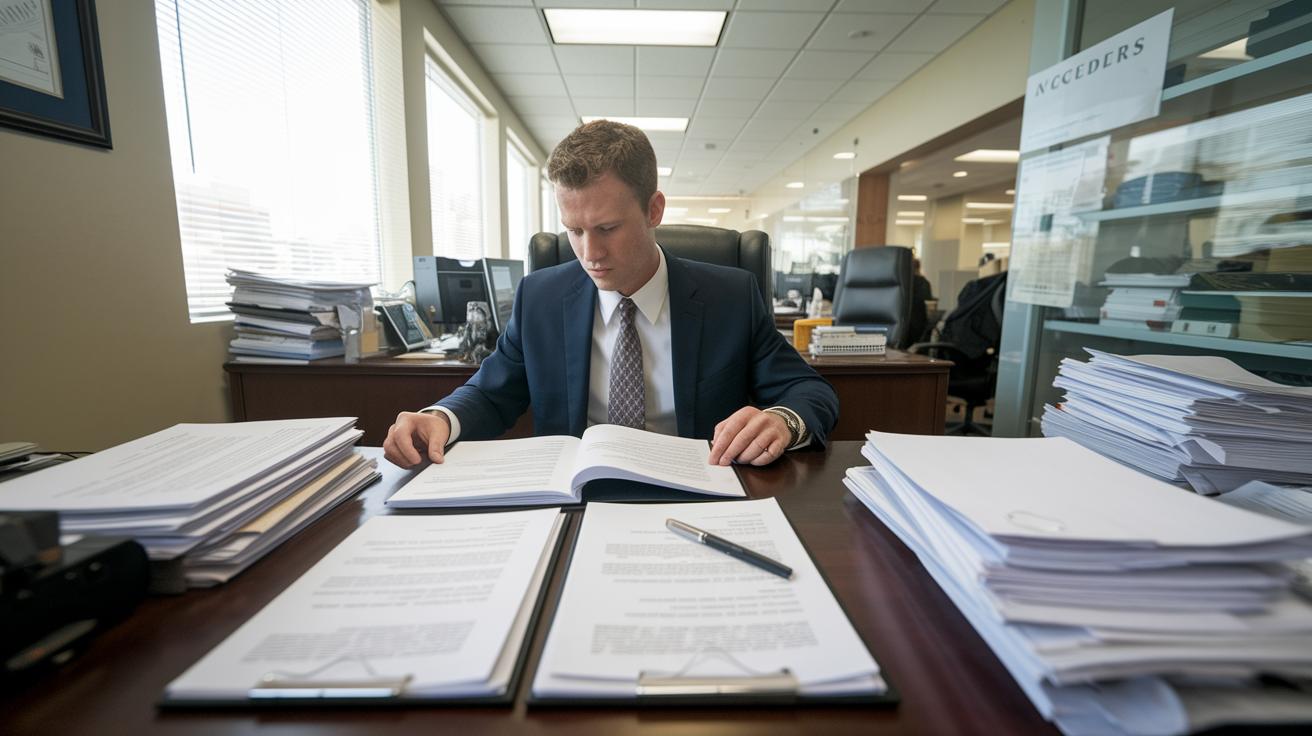
To kick off your appellate case review, start by carefully going through the trial record. This includes looking at transcripts, exhibits, and previous court rulings. Think of it like reading a detailed report to uncover any potential mistakes.
Next, pick out the specific issues that need review and decide which legal standards (the rules courts use to judge appeals) apply. For instance, you might note, "The trial court overlooked a major error during the evidence review." This shows how one small detail can really influence the appeal.
Then, shift your focus to checking the process. Make sure everything followed the rules, like filing the appeal on time and confirming the court had the proper authority (jurisdiction) for the case. Also, verify that all relevant issues were raised during the trial. It’s much like double-checking if every step in your favorite recipe was followed exactly.
After that, examine whether the evidence is acceptable. Confirm that expert witnesses meet the required qualifications, that any out-of-court statements (hearsay: statements not made during trial) are correctly handled, and that the record is complete. Imagine it as making sure every piece of a puzzle fits perfectly into the overall picture.
Stick to a clear timeline: file your notice of appeal within 30 days, submit your main brief 40 days after the record is filed, and follow the oral argument schedule set by the clerk.
Here’s a step-by-step breakdown:
- Check the trial record and pick out the main issues.
- Decide which legal standards apply by researching binding precedents (previous court decisions that must be followed).
- Write clear issue statements and arrange your argument points neatly.
- Ensure the procedural steps were followed properly and that the evidence meets all necessary requirements.
By following these steps, you build an analysis that is methodical and grounded in solid law. You cover everything, from verifying the proper procedures to checking each piece of evidence, to make sure nothing is missed.
Final Words
In the action, we broke down the steps of appellate case analysis. We reviewed why the written record and briefs play a key role and explored how judges use de novo and clear-error checks. We also looked at how well-structured arguments and bench opinions shape case outcomes. Plus, a practical guide helped you see how to spot issues and meet filing deadlines. Keep this clear view in mind as you build strong arguments and apply these insights with confidence.
FAQ
Frequently Asked Questions
What are the grounds for an appeal?
The grounds for an appeal focus on legal errors during the trial that affected the outcome. Appellate review only considers issues raised in the written record, such as misapplied law or procedural mistakes.
What is an appellate court?
The appellate court is a higher tribunal that reviews lower court decisions for legal mistakes rather than reexamining factual evidence. It relies on the trial’s documented record to determine if errors occurred.
What do appellate judges look for when reviewing a case?
The focus for appellate judges lies in identifying trial errors, evaluating legal principles, and confirming that the proper procedures and precedent were followed in previous court decisions.
What does an appellate court do with a case?
The appellate court reviews case records, hears written briefs and oral arguments, and then decides whether to affirm, reverse, or remand the decision, ensuring that legal standards were properly applied.
How many judges are on the Court of Appeals?
When you go to the Court of Appeals, you typically find a panel of three or more judges who collaboratively review the case and determine the outcome through a majority decision.
What is appellate jurisdiction?
Appellate jurisdiction is the power granted to a higher court to review and revise lower court judgments by focusing strictly on legal errors, not on reexamining new evidence or witness testimony.
What are the steps in the appeal process?
The appeal process begins with filing a notice of appeal (usually within 30 days), followed by submitting detailed written briefs, presenting oral arguments, and concluding with a decision by a majority vote.
What are the 3 outcomes of an appellate court?
The outcomes in appellate cases generally include affirming the lower court’s decision, reversing it, or remanding the case for additional proceedings or a new trial based on procedural or legal errors identified.
What happens after an appeal is granted?
Once an appeal is granted, the case undergoes comprehensive review through written submissions and oral arguments, with judges then deciding to modify, reverse, or remand based on the legal errors found.
What is the appellate review of the case?
The appellate review of the case centers on a careful examination of the trial record to determine if legal errors impacted the verdict, focusing exclusively on documented evidence and legal briefs.
What are the 5 steps of the appeal process?
The five steps of the appeal process include filing the notice of appeal, preparing the official record, submitting written briefs that identify legal errors, arguing the case orally, and receiving a final ruling by the judges.