




Have you ever thought about whether prostitution laws are fair? Around the globe, rules about selling sex vary a lot. Some countries have strict bans that can lead to heavy penalties for both buyers and sellers.
Others, like Germany and New Zealand, put clear guidelines in place to protect everyone involved. Over in the United States, Nevada takes a different approach by allowing licensed brothels, while nearby places like Las Vegas still keep it illegal.
In this post, we break down these legal facts step by step. It’s interesting to see how history and culture shape these laws, don’t you think?
Are Prostitutes Legal? Definitive Global Overview
The rules about prostitution change a lot from one country to the next. More than 50 countries have banned every form of prostitution, so even paying for or selling sex can bring harsh penalties.
On the other hand, some countries have set up clear, organized systems. In Germany and the Netherlands, for example, prostitution is legal and carefully regulated. Licensed venues and official red-light districts make sure that both workers and clients know the rules and stay safe. Picture it like a well-kept neighborhood where everyone knows the score, a real-life setup in parts of Amsterdam.
New Zealand takes another approach. Under the Prostitution Reform Act of 2003, prostitution is fully decriminalized to protect workers and reduce the stigma. Sweden, however, uses what’s known as the Nordic model (a system that targets the buyers instead of the workers). Here, only the clients are penalized, which means the sex workers are left out of legal trouble.
Meanwhile, countries like Thailand, Mexico, Australia, Canada, and Japan have each put their own twist on the law.
All of these examples show that the legal rules around prostitution are shaped by a country’s culture, history, and social values. It really paints a picture of a complex legal landscape that changes from place to place.
Legal Prostitution in Nevada: The U.S. Exception
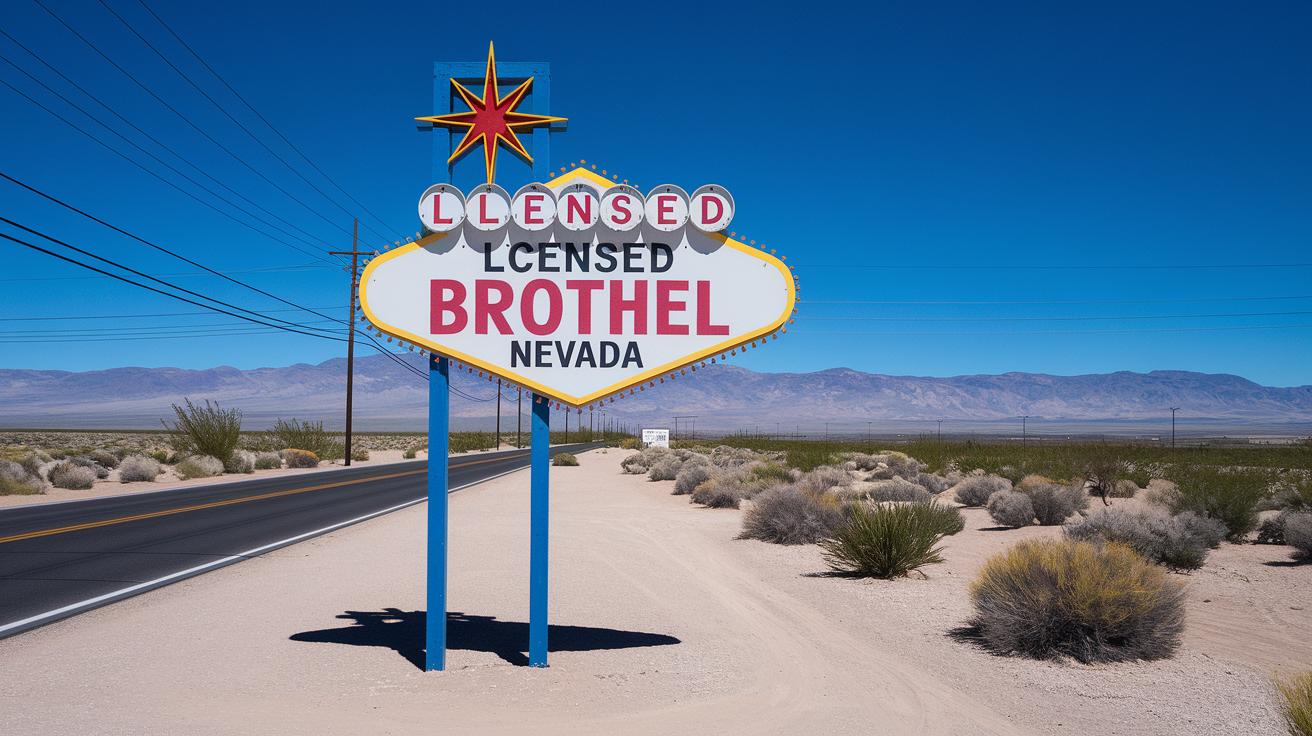
Nevada is unique because it only allows prostitution in brothels that have a special license. In these brothels, strict rules cover everything from health checks to safe operations, much like a well-practiced clockwork routine. Think of it as a place where each room is carefully scheduled and watched over, ensuring safety comes first.
Outside of Clark County, many counties let brothels operate under state rules with the required licenses. But in Clark County, which includes Las Vegas, prostitution is not allowed and remains illegal. Even in counties that do offer licenses, only places with the correct permits can run, and any slip-up can bring heavy consequences. For example, breaking the law could mean fines up to $1,000 or even a jail term of six months.
Escort services fall into a gray area. The law permits them as long as they offer companionship without any sexual services, keeping their business strictly within legal limits.
When it comes to defending against solicitation charges, the common strategies include showing a lack of intent, arguing entrapment (which is when police actions force someone into an illegal act), or claiming mistaken identity. For instance, someone might say, "I had no intention of soliciting; the situation was misunderstood," which shows how important it is to read the details carefully.
Recent changes in licensing have made things clearer in some counties. These updates help to keep the licensed brothels running smoothly within Nevada’s strict framework.
U.S. State-by-State Legal Variance in Prostitution
In the United States, rules about prostitution can look very different from one state to the next. For example, some Nevada counties allow prostitution only in licensed brothels. In most other states, any kind of sex work outside strict guidelines can lead to criminal charges.
Take California, for instance. Under Penal Code 647(b) PC, prostitution means exchanging money for sex or for any lewd act (an act considered disrespectful or indecent). Even if the full act never happens, a person can still face up to six months in county jail and a fine of $1,000.
In Texas and Florida, prostitution is treated as a misdemeanor, carrying similar penalties. New York focuses mainly on the crime of solicitation, and it has recently boosted efforts to fight trafficking. Rhode Island offers an interesting case: indoor prostitution was decriminalized between 1980 and 2009, showing how laws can change over time. Nevada again stands apart since its rules allow prostitution only in licensed venues in approved counties, setting it apart from other states.
Ever notice how a small detail in law can make a big difference? Here’s an HTML table that sums up the key points for each state:
| State | Legal Status | Penalties | Notes |
|---|---|---|---|
| California | Illegal | Up to 6 months in county jail, $1,000 fine | Defined by Penal Code 647(b) PC |
| Texas | Illegal | Misdemeanor, similar fines | Treated as a misdemeanor offense |
| New York | Illegal (solicitation) | Up to 6 months in county jail, similar fines | Expanded anti-trafficking measures |
| Rhode Island (historical) | Indoor prostitution decriminalized (1980–2009) | N/A during decriminalization | Law changed after 2009 |
| Nevada | Legal in licensed brothels (in select counties) | Up to 6 months in county jail, $1,000 fine if unlicensed | Strict licensing; illegal in some counties like Clark |
These differences show just how complex and varied prostitution laws are across the nation. Each state has its own distinct rules and ways of handling these issues.
Prostitution Regulation: Licensing, Brothels, and Zones

Many regions set clear, simple rules for legal sex work, focusing on things like licensing fees, regular health check-ups (routine visits to keep workers safe), zoning limits, and worker registration. These guidelines help turn what might be a risky situation into a well-managed business. For example, in Germany, the Prostitutes Protection Act of 2017 requires brothel operators to register and offer advice on health risks, making the industry safer for everyone involved.
In Amsterdam’s De Wallen area, local rules mean that operators must get permits and go through frequent inspections. It’s a lot like checking a restaurant to keep it clean and safe. Nevada follows a similar path by letting local votes give out brothel licenses, ensuring each spot meets clear safety and operational rules.
Think of this system like following a tried-and-true recipe: without each key ingredient, whether it’s licensing, health screenings, zoning, or registration, the end result wouldn’t be as secure or dependable. All these measures work together to build trust, support sex workers, and keep the market clear and fair for all.
Legalizing Sex Work: Debates, Models, and Reforms
Many people talk about legalizing sex work by looking at three main ideas. The first idea, often called the abolitionist or Nordic model, focuses on punishing the buyer while not punishing the worker. This approach tries to protect the person providing the service. At the same time, it can push the work underground and create financial challenges. One worker once explained, "I only wanted to work safely, not be penalized," showing how even well-meaning laws can leave some issues unsolved.
The second idea uses strict rules and licenses, like in Germany and Nevada. Here, laws set out clear steps such as meeting license requirements, completing regular health tests, and following local zoning guidelines. Think of it like following a checklist, each step must be done to keep everyone safe. One might say, "Imagine building your case step by step, where every piece is legally secured." This makes the whole process feel organized and clear.
The third idea is full decriminalization, seen in New Zealand, which treats sex work like any other job. This approach aims to boost worker health, reduce violence, and improve labor rights. Supporters of this model believe that treating sex work as regular work makes the environment safer and helps reduce stigma.
Many who back these changes point to better public health and stronger protections for workers as big wins. But some critics worry that legalizing sex work in any form could lead to more trafficking and raise moral concerns. They dive deep into these debates, like in some recent legal controversies that you can explore further online.
Today, reform efforts focus on widening rights for sex workers while also making communities safer. In the end, any legal approach must carefully balance empowering workers with addressing broader social issues.
Historical Evolution of Prostitution Law
Back in ancient Rome, the state even kept an eye on licensed brothels, treating them like any other official business. It was a system that put a structure around what many today might see as a private matter.
Fast forward to the 1800s in Europe, and you find red-light districts that were set up to keep public health in check. By watching over where and how sex work happened, authorities tried to bring order, addressing worries about health and safety along the way.
Then came the U.S. Progressive Era in the late 19th century, a time when many believed that prostitution was a sign of society's moral failing. Reformers pushed for stricter laws, criminalizing the practice to try and clean up public morals. Over the next century, lawmakers would sometimes ease and then tighten these controls, responding to changing public beliefs.
A major shift took place in 2003 when New Zealand decided to decriminalize prostitution. This move helped edge society closer to respecting sex work as a legitimate line of business. For more on this, check out the full story in this thorough legal history.
Impact of Legal Status on Sex Worker Rights and Safety
When the law puts worker safety first, sex workers get a lot more protection and support. In places like Nevada, regular STI tests and required condom use help make the job safer and promote well-being. This shift turns a risky career into one where personal health matters and clear protections are in place.
In New Zealand, where sex work is decriminalized (meaning it’s not a criminal offense), studies show lower HIV rates and easier access to legal help. One worker put it simply: "I can get help and support without the constant fear of legal trouble." Moments like these show just how much confidence and security a proper legal system can bring to sex workers.
California’s recent updates for exotic dancers underscore this move toward better legal safeguards. Now, dancers enjoy job-like protections, such as overtime pay, sick leave, and safe ways to report violence. These measures let workers speak up and demand justice, all while creating a more respectful and secure work environment.
| Safety Measure | What It Means |
|---|---|
| Routine STI screenings | Regular health tests to catch infections early. |
| Mandated condom use | Required protection to lower disease risk. |
| Streamlined violence reporting procedures | Simple ways to report abuse and get help quickly. |
These policies prove that when laws back sex workers' rights, public health improves and harm reduces. It’s like building a safety net, so workers can focus on their health and rights without constant fear. In summary, a legal system that cares really transforms the landscape of sex work into one that’s safer and more just.
Final Words
In the action, we broke down a global look at prostitution laws, from countries licensing brothels to unique US state rules. We explored how licensing, health checks, and worker rights shape the environment. Historical shifts and debates on reforms showed how legal models aim to protect sex workers. Our overview helps clarify the question, are prostitutes legal, by comparing real-world legal models. The discussion leaves us with a hopeful outlook on achieving fairness and safety in diverse legal settings.
FAQ
Are prostitutes legal near California?
The legal status in California means that exchanging money for sex or lewd acts is against state law, making prostitution illegal even though licensed brothels operate legally in select neighboring areas like parts of Nevada.
Are prostitutes legal near Texas?
In Texas, prostitution remains against the law, as state regulations prohibit the exchange of money for sexual services or lewd conduct, distinguishing it from areas with regulated brothel practices.
How many prostitutes are in America?
Estimating the number of sex workers in America is challenging due to the mix of legal and underground operations, with experts suggesting that figures vary widely across different regions and systems.
What state has the most prostitutes?
Nevada is often cited for having the highest concentration of legal prostitution because its licensed brothels operate under state-specific guidelines, though underground activities exist in other states as well.
What city in the United States has the most prostitutes?
Las Vegas, Nevada, is frequently highlighted for its red-light district activities and licensed brothels, making it one of the U.S. cities with a notable presence of sex workers.
How many prostitutes are killed in America?
While exact numbers vary by source, reports indicate that many sex workers face violence, and statistics on fatalities remain imprecise due to underreporting and the sensitive nature of the subject.
Do brothels still exist?
Yes, brothels continue to operate legally in defined areas such as select counties in Nevada, where local regulations and licensing ensure they function according to strict state guidelines.
Which country is known for legal prostitution?
Countries like Germany and the Netherlands have legal, regulated sex work industries, where comprehensive health screenings and licensing rules support a structured framework for prostitution.
Are prostitutes legal in some states?
Some states, notably in parts of Nevada, offer legal avenues for prostitution through licensed brothel operations, while most other states strictly prohibit it under criminal law.
Do prostitutes have female clients?
Sex workers serve a diverse range of clients, including women, offering a variety of sexual and companion services that meet the needs of different individuals regardless of gender.
What are prostitutes called now?
The term “sex workers” is now commonly used as a respectful and accurate way to describe individuals who exchange sexual services for money.
Why are prostitutes banned?
Prostitution is banned in many places to address concerns about human exploitation, crime, and public health, with laws designed to prevent potentially harmful activities in unregulated environments.