



Have you ever thought about how a simple idea turns into a law? It all begins when a member of Congress introduces a bill, starting a chain reaction. Next, committees jump in to check and fine-tune every detail, making sure each part follows clear legal rules (basic guidelines to keep things fair). This guide explains every step, from the first proposal right up to when the president takes a look. In short, it shows how each stage builds the laws that shape our everyday lives.
Overview of How a Bill Becomes Law: A Legislative Procedure Overview
A bill starts its journey when a member of Congress introduces it in the House or the Senate. It’s like setting a ball rolling. Once introduced, the bill is sent to a committee made up of legislators who know the topic well. Sometimes, it even gets passed to smaller groups that hold hearings, imagine a teacher carefully going over homework, to listen to experts and dig into the details.
After the hearings, the committee meets in a mark-up session where they suggest changes or add new parts. Their goal is to make sure the bill follows the Constitution and clear legal guidelines (rules that keep laws fair). Once they’re happy with the changes, they write a report that says whether the bill should move on to the next step. From there, the bill goes to the main chamber where lawmakers debate it. In the House, the Rules Committee sets strict time limits and a simple majority of 218 votes is needed. In the Senate, debates can last longer, sometimes even using a filibuster (a tactic to delay voting), until 60 votes are reached to cut the debate short.
Once both the House and Senate approve the bill, a special conference committee gets together to sort out any differences between the two versions. Then the final version is sent to the president. Here, the president can sign the bill into law, veto it, or choose a pocket veto (ignoring it until Congress stands up again). This whole process can take anywhere from one to two years, involving input from lawmakers, the president’s office, and sometimes even the courts.
process of law making: Clear Steps That Inspire

Laws often begin with a simple idea, like when a member suggests a change, a leader gives a recommendation, or a citizen submits a petition. These ideas are the first step toward making a law. Once the idea is out there, experts such as the Legislative Counsel get to work drafting the bill. They write it carefully so it follows our constitutional rules (rules designed to keep our government fair).
A draft bill usually has several parts. It includes an enacting clause, definitions, sections, and an effective date. For example, if you need more details on what a legal provision means, you might check out this explanation: "Here’s where you learn more about the legal provision meaning – https://humane.net?p=6640." This clear structure helps everyone understand each part of the bill.
Next, the draft goes through an internal review to check its scope and legal consistency. Think of it as putting together a puzzle, every piece must fit perfectly. This step is very important because it helps catch any mistakes before the bill moves forward. Turning a simple idea into a formal proposal is both creative and exacting. It takes careful writing, clear language, and several reviews to transform a good idea into a law that stands strong in practice.
Committee Review and Deliberation in the Law Making Process
When a bill is introduced, it heads straight to a standing committee for a full review. Subcommittees then take over to hold public hearings, gather expert opinions, and work through sessions that fine-tune the language of the bill. Imagine a hearing on environmental standards where just one expert’s testimony sparks a needed tweak in the wording.
After the subcommittee is done, its members vote on whether the updated draft should move forward. Next, the full committee gets involved. They debate further changes and pull together a detailed report that lays out their recommendations and explains the bill’s expected legal effects.
Typical committee actions include:
| Action | Description |
|---|---|
| Hearing | Public sessions to gather views and information |
| Markup Session | Meetings to review and revise the bill |
| Amendment Vote | Voting on changes to improve the bill |
| Report Issuance | A summary outlining recommendations and legal impact |
| Discharge Petition | A move to force a vote on the bill if stalled |
Floor Debate and Voting Requirements in the Process of Law Making
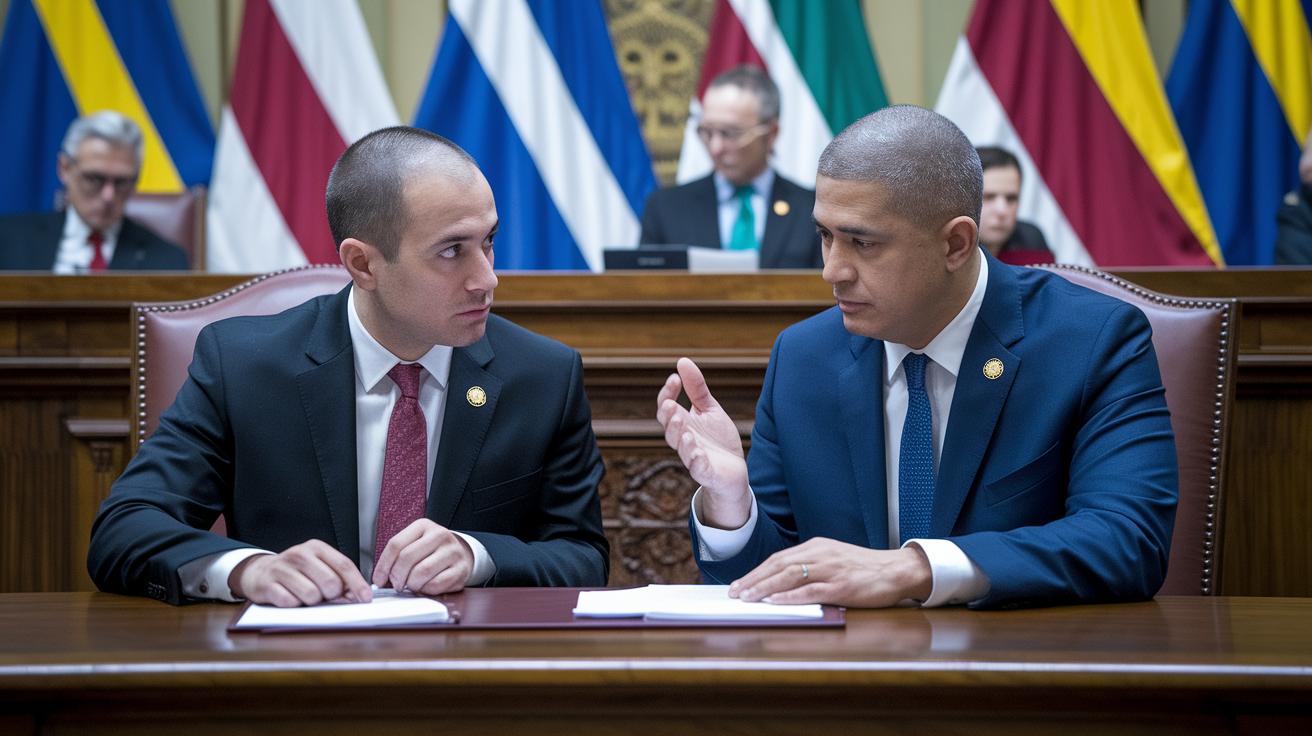
In the House, debate rules set by the Rules Committee put strict time limits in place. These limits came about after many long, messy debates made the lawmaking process confusing. Did you know that in one session, strict timing pushed lawmakers to get straight to the point? It really helped keep the discussion focused and short.
Over in the Senate, debates can go on for much longer, and senators can give long speeches or even use filibusters (a tactic where one speaks to delay a vote). Sometimes, these extended debates highlight important issues before a vote happens. For example, during civil rights debates, passionate speeches led to using the cloture rule (a rule that stops debate when 60 senators agree) so that they could move on to voting.
After the House and Senate each pass their version of a bill, a conference committee meets to work out the differences. This step takes the best ideas from both sides and combines them into one final law.
| Chamber | Debate Rules | Vote Threshold |
|---|---|---|
| House | Rules Committee sets strict time limits | Simple majority (218 votes) |
| Senate | Allows long debates and filibusters | Cloture requires 60 votes |
Presidential Signature, Veto, and Override Mechanism in the Law Making Process
When Congress finishes passing a bill, the president gets the final say. The president has 10 days (not counting Sundays) to decide whether to sign the bill into law or send it back to Congress with comments. This short period lets the president carefully consider the bill's benefits and any possible political fallout.
If Congress happens to be out of session during those 10 days, the president can use what’s known as a pocket veto. In simple terms, a pocket veto is when a bill dies silently because Congress isn’t around to take further action on it. Since 1789, there have been about 1,500 regular vetoes, with roughly 7% being overridden by a two-thirds vote in both the House and Senate.
The president has three clear choices:
- Sign – This turns the bill into law.
- Regular veto – This sends the bill back to Congress along with the president’s objections.
- Pocket veto – This lets the bill quietly die when Congress is not in session during the decision period.
Each of these options plays a big role in shaping both our laws and the political scene. It’s a final step that carries significant weight in the law-making process.
Judicial Review and Post-Enactment Oversight in the Process of Law Making
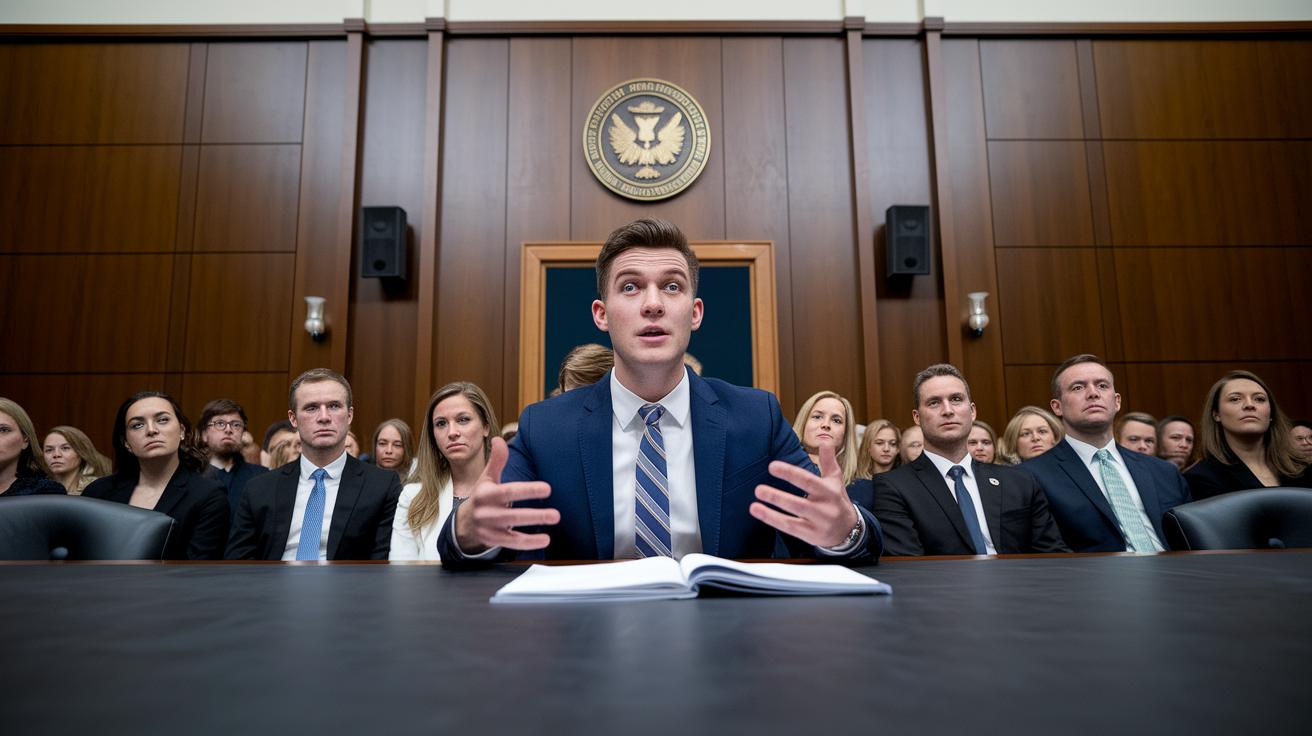
Courts, especially the Supreme Court, make sure that laws stick to our Constitution. You probably remember the famous case Marbury v. Madison, which set the stage by showing that when a law clashes with the Constitution, judges can step in to change or cancel any part that doesn’t fit. It’s like keeping the balance in our legal system one careful review at a time.
After a law is passed, administrative agencies get busy drafting clear rules and guidelines to put that law into everyday practice. They map out exactly how the law should work on a daily basis, ensuring that the lawmakers’ original goals are met. Meanwhile, oversight groups like the GAO (Government Accountability Office) and OMB (Office of Management and Budget) regularly check that these rules are being followed properly. And if something goes seriously wrong during these checks, a judge might even issue an injunction (a temporary order stopping the law) until the issue is sorted out.
These layers of judicial checks and administrative reviews work together to keep our system fair and balanced. They ensure that once a law is on the books, it continues to operate the right way and truly serves the public.
Public Policy Influence and Civic Participation in the Legislative Process
Getting involved helps shape our laws, and it's easier than many think. People share their opinions in lots of ways, from writing letters to speaking face-to-face, so lawmakers can hear honest, personal stories. Even professional advocates, known as lobbyists (people who work to influence lawmakers), bring useful insights from various communities. Plus, many states offer ballot initiatives, which let you vote directly on local issues. Imagine your community holding a vote to change school funding rules, that’s a powerful way to make your voice heard.
Key ways to get your input heard include:
- Public hearings – chances to speak directly during official meetings.
- Written submissions – detailed opinions you can send in by paper or online.
- Lobbying – meetings where advocates discuss changes with lawmakers.
- Ballot measures – citizen-led votes that directly shape local policies.
Each method gives you a real chance to influence policy. Even small actions like writing a comment or attending a meeting can slowly change your community’s political scene. In short, these steps help keep our lawmaking in tune with everyday needs and encourage ongoing, honest public dialogue.
Final Words
In the action of law making, our discussion led us from the spark of a bill to its journey in Congress. We covered how proposals turn into carefully drafted acts, move through committee deliberations, and face detailed floor debates with precise vote requirements.
We also touched on presidential decisions and courtroom reviews along with public participation. Every step in this process of law making shows how detailed and thoughtful the legislative process truly is. Stay optimistic about the clarity and progress of our legal system.
FAQ
How does a bill become a law?
The process of a bill becoming law involves drafting the bill, committee review, floor debate, voting in both chambers, reconciling differences, and finally, presidential approval. Each step builds the case for enactment.
What are the seven steps of law-making?
The seven steps of law-making start with bill origination and drafting, move to committee evaluation and public hearings, followed by floor debate, chamber voting, conference committee reconciliation, and conclude with presidential action.
Does a bill go to the House or Senate first?
A bill can be introduced in either chamber, although revenue-related bills usually start in the House. Both the House and Senate follow similar paths in reviewing and voting on legislation.
How can a citizen make a law?
A citizen can influence lawmaking by contacting legislators, submitting petitions, or offering testimony during public hearings. This engagement helps shape the discussion and may lead lawmakers to draft new laws.
How long does it take for a bill to become a law?
A bill typically takes one to two years to become law, as it must go through several stages including drafting, committee review, debates, voting, and possible reconciliation between the two chambers.
What is step 4 in the law making process?
Step 4 usually involves the committee’s full review and markup, where bill details are debated and amended based on expert discussions and public testimony before moving to the chamber floor for a vote.