




Have you ever wondered if our laws really work for us or if they're just empty words? Imagine holding a solid brick, each law helps build a stable and secure community. Some people say rules keep those in power from taking too much control, while others see them as a promise to protect fairness and basic rights. In this article, we'll take a closer look at what the rule of law really means and how clear, strong rules help our community by making sure every person counts.
Understanding What Rule of Law Means
Everyone says “rule of law,” but not everyone really knows what it means. Justice Kennedy once pointed out that it’s more of an ideal rather than a set definition. Its roots go way back to Aristotle, who believed that laws should guide us rather than a single person’s whims. Think of it like building a house, each law is a sturdy brick that keeps the whole thing standing.
There are two main ways to look at the rule of law:
- Minimalist – This view sticks to a clear, formal setup where laws keep arbitrary power in check.
- Maximalist – This view goes further by making sure laws also protect human rights (basic rights everyone deserves) and promote fairness and equality.
The minimalist idea is all about making sure that nobody, even those in charge, stands above the law. On the other hand, the maximalist approach believes that our laws should also reflect deep social values. Imagine a courtroom where every rule is as strong as a well-laid brick, yet also designed to protect those in need. One view focuses on clear, predictable rules, while the other insists the law should also show our shared commitment to fairness and dignity.
Tracing the Historical Evolution of the Rule of Law

The history of the rule of law is a long story of ideas that have shaped how we govern our society. Back in the 4th century BC, Aristotle said that laws should have power over individual choices. This was one of the first clear ideas that the law should lead over personal power.
Later, during the time of James I, Sir Edward Coke built on these ideas. He supported common-law rights (rights that come from long-standing legal traditions), and he backed key ideas like habeas corpus (the right to challenge unlawful detention) and due process (ensuring fair treatment by the legal system). Then, in 2011, Lord Chief Justice Tom Bingham spoke of the rule of law as a goal that keeps guiding legal and political changes.
| Year/Event | Significance |
|---|---|
| 4th century BC | Aristotle explains that laws should have power over personal discretion. |
| 1215 (Magna Carta) | King John’s 63 rules limited his own power, setting a clear boundary. |
| James I Era | Sir Edward Coke promoted common-law rights, habeas corpus, and due process. |
| 2011 | Lord Chief Justice Tom Bingham described the rule of law as an enduring goal. |
These key moments show how people have worked hard to build legal systems that hold power in check and ensure fairness. Each step, from ancient philosophy to medieval reform and modern court ideas, adds a new layer of protection to our laws and government. Together, they form a living guide that still shapes legal reforms and our view of a just government.
Key Principles Underpinning the Rule of Law

At the heart of the rule of law are eight simple ideas that work together to make sure everyone is treated fairly by the government. These ideas set up a system where laws are clear, open to everyone, and used the same way all the time. They protect ordinary people and hold government workers accountable.
- Supremacy of law: Everyone has to follow the rules, no matter who they are. This means no one gets a free pass.
- Separation of powers: The parts of government that make, enforce, and judge laws work on their own. This split helps stop any one group from taking too much control.
- Accessibility: Laws need to be public and easy to understand so people know their rights and duties.
- Predictability: Law enforcement and court decisions should be steady. This consistency lets people plan their lives knowing what to expect.
- Equality: Everyone is equal under the law, so no one gets extra favor because of their status or money.
- Justice: The legal system should protect our basic human rights (rights like freedom and dignity). This keeps our lives fair.
- Enforcement: We need strong and straightforward ways to make sure the laws are followed. Fair enforcement makes the law more than just words.
- Judiciary independence: Judges must decide based on the law and facts alone, without outside pressure. This keeps court decisions fair and trustworthy.
These eight ideas support one another, building a well-rounded system that not only guides our behavior but also safeguards the rights of every person in our community.
Rule of Law in Constitutional Law and Governance Structures

Constitutions are the highest law in our legal system. They lay out clear, written rules that shape government actions and protect individual rights. These documents are not only the top law but also build a solid base for laws everyone can understand. The plain language used (as seen in the legal provision meaning) ensures that every law is clear and open for public review.
Because the constitution is supreme, no branch or person can override these fundamental rules, even if political winds shift. And then there’s the separation of powers. Government responsibilities are divided among the legislative, executive, and judicial branches so that each keeps the others in check. This helpful setup prevents one side from gathering too much power and keeps the whole system true to the written word.
Constitutional law also works hard to balance the will of the majority with the protection of minority rights. Even though popular support might sway policy, modern laws include safeguards such as due process (ensuring fair treatment in legal matters) and habeas corpus (protecting against wrongful detention). Due process means everyone gets a chance to be heard, and habeas corpus prevents holding someone without proper legal reason. Together, these ideas ensure that while we respect the public’s vote, our laws also protect individual freedoms and guide decision-making in a fair and balanced way.
Illustrative Examples of the Rule of Law in Practice
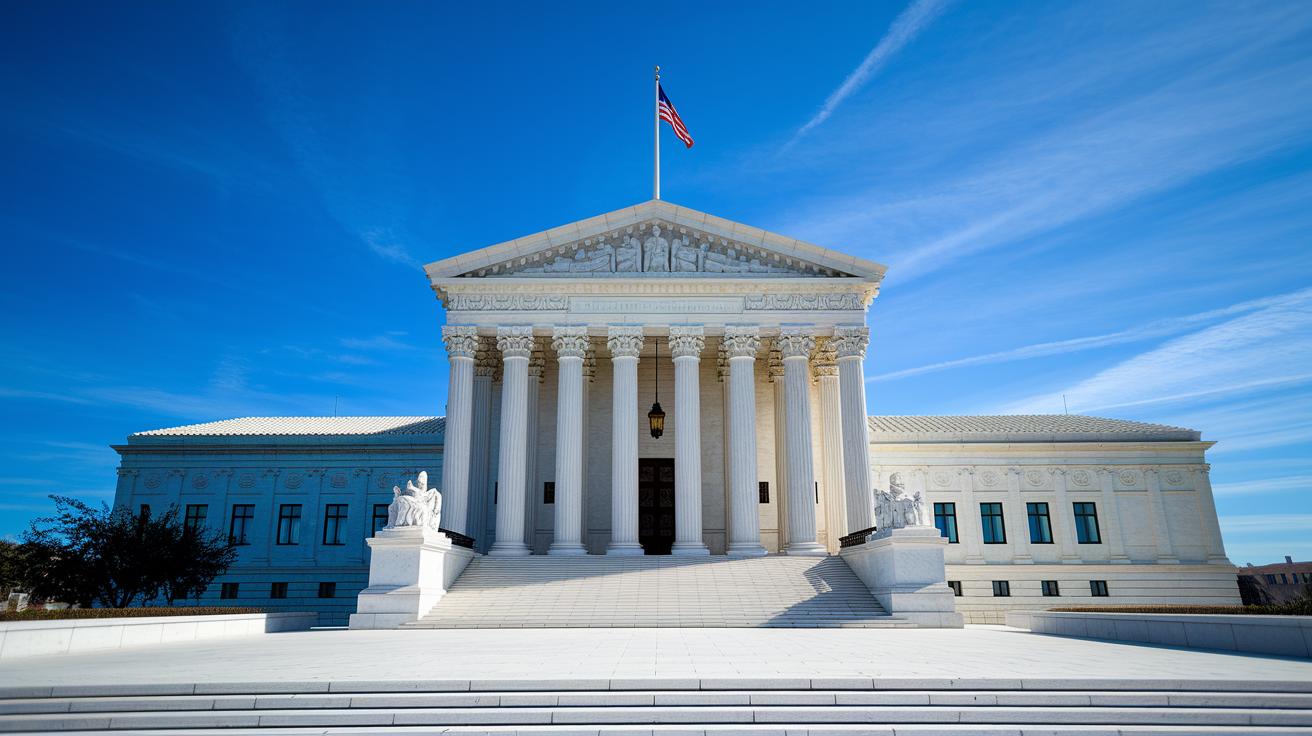
Let's look at some real-world cases that show how the rule of law works in our system. First, consider Brown v. Board of Education. This important case ended racial segregation in public schools and reminds us that everyone is entitled to equal protection under the law.
Next, think about the U.N. Basic Principles on Access to Justice. These guidelines stress that legal help should be within reach and affordable for everyone.
We can also look at habeas corpus rulings. These court decisions protect a person's freedom by making sure no one is held without a judge's review (habeas corpus means "you shall have the body").
Another key example is the U.S. Supreme Court’s judicial review. In simple terms, this is when the court makes sure that actions taken by the government follow the law.
These examples show how strong legal rules help keep our system fair, protect individual rights, and ensure that no one holds too much unchecked power.
Current Challenges and Future Directions for the Rule of Law

Our legal systems are up against some tough challenges today. Many folks find it hard to get legal help, which means they miss out on having someone guide them through the court process. Sometimes, politics crash into our courts, making it feel like decisions are not as fair as they should be. And when the will of the majority overshadows minority rights, the fair balance of the law suffers. Think of it like a referee in a game who gets swept up in the cheers of the rowdiest crowd, suddenly, fairness takes a back seat.
So, what can we do about it? One idea is to write laws in plain language so everyone can understand them. An independent legal community, completely free from outside pressure, is also key to keeping things transparent and fair (transparency means openness in a process). We can also use cost-effective ways to resolve disputes, like mediation, which helps avoid long, expensive courtroom battles. All these changes work together to build a legal system that holds our government actions accountable while being fair and responsive to every citizen.
In short, pushing for these reforms is essential if we want a legal system that remains a safe haven of fairness and stability for all.
Final Words
In the action, we've walked through the rule of law definition and its deep roots from Aristotle’s insights to today’s hurdles in constitutional law and practice. We looked at key legal principles, historical markers, and real-life examples in courtrooms that show law in motion. We also touched on modern challenges and reforms that can help keep the rule of law strong. The discussion offers clarity and assurance that understanding these elements empowers practical legal application and sparks optimism for a fairer future.
FAQ
What are some examples of the rule of law in practice?
The rule of law in practice is seen in cases like Brown v. Board of Education and judicial review actions that check executive powers, demonstrating fair application and enforcement of laws.
What is the rule of law in government and what does it mean in simple terms?
The rule of law means that laws govern everyone equally, not individuals. It sets the stage for a government operating by clear, written rules instead of the whims of a leader.
What are the core principles and importance of the rule of law?
The rule of law rests on principles such as law supremacy, separation of powers, public accessibility, and equality. These ideas help maintain fairness and accountability in government actions.
How does the rule of law appear in the Constitution?
Constitutional texts embed the rule of law by establishing limits on governmental power, enforcing due process, and reinforcing that even those in power must follow the law.
Which president is noted for demonstrating the rule of law?
Many presidents have upheld the rule of law, but Abraham Lincoln is often highlighted for maintaining constitutional order and ensuring that legal processes guided his decisions during crisis.
Are there study resources like PDFs or Quizlets that explain the rule of law?
Yes, numerous online PDFs and Quizlet sets provide clear and accessible overviews of the rule of law, offering ready-to-use study tools for students and interested readers.