



Have you ever questioned whether our justice system truly offers equal treatment for all?
Who are public defenders for?
Public defenders work tirelessly to ensure that every person receives quality legal representation, regardless of their financial resources. These legal professionals handle intricate cases, manage demanding caseloads, and serve as pillars of hope in an imbalanced system.
Why do they matter?
Their steadfast dedication empowers vulnerable individuals to stand up for their rights and dignity. By taking on the most complex challenges, public defenders pave the way for a fairer society.
What can you expect from their work?
• Fair representation for everyone
• Courage in the face of overwhelming odds
• A commitment to justice that inspires change
This article delves into the impact of these legal champions, revealing how their relentless pursuit of justice creates a more equitable society for those who need support the most.
Public Defender Role in Ensuring Indigent Defendants’ Access to Legal Representation

Public defenders serve as dedicated legal advocates who ensure that every person, regardless of their financial means, receives the strong representation they deserve. Their work is built on the belief that constitutional rights are universal and that those who cannot afford private attorneys must still have a fair chance at justice. By guiding clients from the moment of arrest through to trial, public defenders form a crucial link in making sure that legal fairness and equality are more than just promises.
Eligibility for a public defender is determined through a detailed evaluation process, where individuals must provide financial information under oath. This thorough review not only looks at a person's economic situation but also considers the nature of the charges, so that help is reserved for those who truly need it. In this way, the procedure goes beyond mere paperwork; it upholds a legal standard that making sure every defendant gets a proper defense, irrespective of their financial background.
Being a public defender is more than a job title, it is a lifelong commitment to protecting due process and ensuring trial rights. These professionals juggle demanding caseloads, conduct in-depth legal research, and passionately advocate for their clients at every phase of criminal proceedings. Their unwavering focus on maintaining fairness in the legal process is key to balancing the scales of justice, ensuring that even the most vulnerable receive the robust defense necessary for a truly fair trial.
The role of a public defender: Empowering Impact

Public defenders face challenging days filled with rapid legal research, proactive client interactions, and meticulous case preparation. They handle a wide range of criminal cases by exploring legal precedents, scrutinizing evidence, and preparing pretrial motions while keeping clients informed about their rights and anticipated outcomes.
Balancing multiple cases at once, these dedicated attorneys manage heavy workloads and carefully guide each case through its various legal stages. On any given day, they represent clients at initial court hearings such as arraignments and bail sessions, engage in plea negotiations, and invest significant effort in trial preparation.
- Researching legal precedents and reviewing evidence
- Advising clients on their constitutional rights and possible outcomes
- Drafting and filing motions and pleadings
- Negotiating plea agreements with prosecutors
- Representing clients at bail hearings and arraignments
- Preparing witnesses and developing cross-examination tactics
- Presenting defenses and arguments during trials
At the heart of their work is a relentless focus on preparation and strategy, which helps offset the burden of high caseloads. Their unwavering effort to provide expert legal counsel, even with limited resources, ensures that every client receives a strong defense. This steadfast commitment not only strengthens the criminal legal aid system but also forms the foundation for achieving justice for those who might otherwise be overlooked.
Appointment Methods and Representation Models for Public Defenders
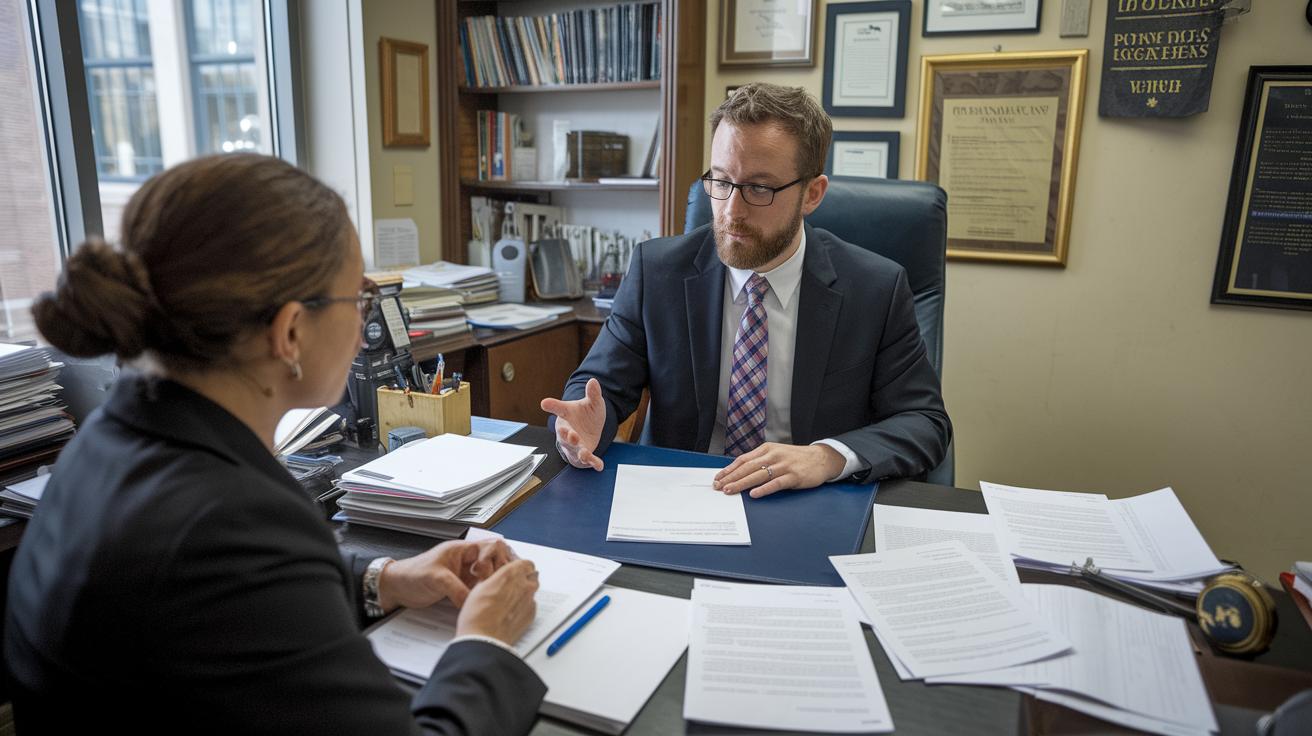
Defendants receive public defender assignments based on their financial situation and local legal rules. When an individual demonstrates financial hardship under oath, they become eligible for a state-appointed attorney who ensures fairness in the legal process. This method is thoughtfully designed to make sure that every qualifying defendant obtains legal protection regardless of economic limitations. By honoring a fundamental constitutional right, the system guarantees that court-appointed services remain available even when resources are scarce. In following these established guidelines, the justice system offers equal legal support to those who cannot afford private counsel.
Vertical Representation
Vertical representation involves one public defender managing the entire case from start to finish. By remaining continuous throughout the proceedings, the attorney builds a strong relationship with the client, leading to improved communication and trust. For example, a dedicated defender who walks with a client through every stage of the legal process is better positioned to anticipate challenges and develop strategies tailored to the specific details of the case.
Horizontal Representation
Horizontal representation takes a different approach by assigning specialized attorneys to distinct phases of a case, such as bail hearings, plea negotiations, and trial proceedings. This strategy leverages the expertise of specialists at every step, ensuring that each aspect of the legal process is addressed with focused knowledge for optimal courtroom performance.
Comparing Public Defenders to Private Defense Attorneys

Public defenders handle a vast number of cases with limited resources, which demands speed and efficiency in legal proceedings. Their primary task is to safeguard each client’s right to a fair trial, even under challenging conditions. In contrast, private attorneys take on fewer cases and enjoy access to greater resources. The discussion on public defender versus private attorney clearly highlights how resource availability and personalized focus play an essential role.
Private legal representation typically provides tailored strategies and dedicated time for each client. While public defenders work with broad approaches to protect constitutional rights, private counsel can devote attention to crafting customized defense techniques. This contrast illustrates the balance between accessible legal support and individualized service, shedding light on the distinct obstacles and benefits of each approach.
| Aspect | Public Defender | Private Attorney |
|---|---|---|
| Caseload | Handles many cases with limited time per matter | Manages fewer cases with more focused attention |
| Resources | Works with restricted funding and support | Accesses ample resources and investigative tools |
| Personalization | Uses a general approach due to high workload | Delivers highly personalized service |
| Legal Strategy | Emphasizes upholding constitutional rights broadly | Develops custom-tailored defense techniques |
Both types of legal representation are essential to the justice system. Even with heavy caseloads and fewer resources, public defenders ensure that every defendant has meaningful access to legal defense.
Ethical and Legal Standards for Public Defenders

Public defenders are guided by strict ethical principles that prioritize client confidentiality, impartiality, and the avoidance of any conflicts of interest. They work diligently to protect sensitive client information while ensuring that every defense strategy is executed with absolute integrity. For example, a defender may insist that maintaining client confidentiality is the highest priority, regardless of external pressures.
These legal professionals are required to follow detailed standards of professional responsibility in defense law. Their actions consistently align with established legal ethics, ensuring that each step of the process reflects a client-focused approach. This dedication involves thorough legal research, accurate record-keeping, and a steadfast observance of due process at every stage of litigation.
Ethical challenges often arise when limited resources might compromise the ability to offer complete representation. When external forces try to dictate case strategy, defenders must strictly adhere to impartial criminal defense guidelines. In such situations, balancing a commitment to the client with a respect for procedural fairness remains the foundation of ethical practice. Overcoming these challenges demands both legal insight and strong moral courage to prevent any compromise in impartiality.
Challenges Faced by Public Defenders in the Justice System

Public defenders encounter ongoing systemic barriers that restrict their ability to prepare each case with the necessary diligence. Often managing a significant number of clients simultaneously, they face severe time constraints that limit thorough case analysis and strategic planning.
The challenges extend beyond an overwhelming workload. Some potential clients are reluctant to seek help due to fears of conflicts stemming from existing professional relationships between the defender and other legal experts. Such concerns foster a broader impression of insufficient support, making it harder to build the essential trust needed for effective legal representation.
A major obstacle is the continuous shortage of funding and staff, which erodes the quality of legal defense. Limited resources force defenders to handle extensive caseloads without adequate institutional backing, often requiring them to shift responsibilities and postpone vital legal research and preparation. This leads to backlogs that not only strain the public defenders but also compromise the timely and efficient administration of justice. Moreover, the stress of juggling both defense and prosecution responsibilities within an under-resourced framework can heighten ethical dilemmas and impede swift case resolutions, ultimately threatening the fundamental right to a fair trial.
Impact of Public Defenders on Justice and Fair Trial Rights

Public defenders are vital in ensuring that everyone receives fair legal representation, even when financial resources are limited. Recent studies reveal that areas with stronger public defense programs can see fair plea agreements improve by as much as 15%, helping to balance systemic inequities.
One compelling case from 2021 shows how a determined public defender uncovered crucial digital evidence that redirected a trial away from wrongful detention. Picture this: a neglected digital record completely shifted the course of the trial, ultimately leading to true justice.
As challenges in the legal field evolve, public defenders continually update their skills in forensic science and digital evidence management. Their proactive efforts keep high-quality legal defense at the forefront of protecting individual rights and upholding a balanced justice system.
Final Words
in the action, public defenders work to secure vital legal representation for indigent defendants while upholding constitutional rights. Their daily dedication includes intensive case management and judicial advocacy, ensuring every defendant receives fair trial rights.
They skillfully navigate challenges, balancing overwhelming caseloads with unwavering integrity.
Reflecting on the role of a public defender, their commitment not only safeguards procedural justice but also inspires continued hope and improvement in our legal system.
FAQ
How are public defenders different from lawyers?
The question about public defenders versus lawyers highlights that public defenders are state-appointed attorneys who represent individuals unable to afford private counsel, often managing higher caseloads compared to private lawyers who typically offer more personalized services.
What is the public defender salary?
The inquiry about public defender salary indicates that earnings for these attorneys vary by jurisdiction and experience, generally reflecting public funding constraints and caseload demands rather than market-driven pay scales.
Are public defenders good?
The question regarding the quality of public defenders suggests that despite high caseloads and resource challenges, they are dedicated professionals committed to upholding clients’ constitutional rights and ensuring fair legal representation.
Who pays for a public defender and is their service free?
The query about payment for public defenders explains that their services are provided at no cost to eligible clients, with funding sourced from state and local government resources to ensure access to legal representation for indigent defendants.
How can one become a public defender, and what are the educational requirements and time commitments?
The question concerning becoming a public defender outlines that candidates must complete an undergraduate degree, attend law school, pass the bar exam, and typically undergo additional training, a process that usually spans several years.
What is a public defender required to do?
The question about the role of a public defender conveys that these attorneys must provide comprehensive legal representation by conducting legal research, advising clients on their rights, appearing in court hearings, and vigorously defending their clients throughout the judicial process.
Why are public defenders so important?
The question addressing the importance of public defenders emphasizes that they safeguard the constitutional right to counsel, ensuring equitable access to legal defense for all defendants and maintaining the integrity of the justice system.
What are the odds of winning a case with a public defender?
The question regarding success rates with public defenders acknowledges that while outcomes depend on various factors including case complexity and evidence, public defenders strive to provide robust defense despite systemic challenges.