



Have you ever wondered if one simple document can protect you during a big purchase? In Texas, a bill of sale is the perfect safety net. It acts just like a legal receipt (a paper record of a sale) and helps both the buyer and seller feel secure.
This document records every important detail when you transfer ownership (the legal process of handing over rights) of items like vehicles or boats. In this post, we'll break down the must-have parts of a Texas bill of sale and explain why each section matters. Ultimately, a well-crafted bill of sale can help you avoid confusing disputes later on.
Understanding a Texas Bill of Sale: Key Components and Purpose
A Texas bill of sale is the written proof that shows legal ownership has been passed on for items like vehicles, boats, and other expensive personal property. It works like a receipt, keeping both the buyer and seller safe by clearly showing that the deal happened. Think of it like the paper trail you keep when you buy a car, every little detail matters. For example, noting down the car's VIN (vehicle identification number, which is a unique code) is similar to recording a serial number for a pricey gadget. This document not only confirms the sale but also helps resolve any disagreements that might come up later.
Texas law requires that the bill of sale includes some specific details to be considered valid. It has to clearly describe the property (such as the VIN or vessel ID), state the sale date, list the sale price, and mention the exact spot where the deal was made. It also must include the personal contact information of both the buyer and seller. Plus, Texas needs three copies of the completed bill of sale. It doesn’t matter if the form is in English, Spanish, or another language, as long as every field is filled out neatly, you have solid proof of ownership in Texas.
Step-by-Step Instructions for Completing a Vehicle Bill of Sale in Texas
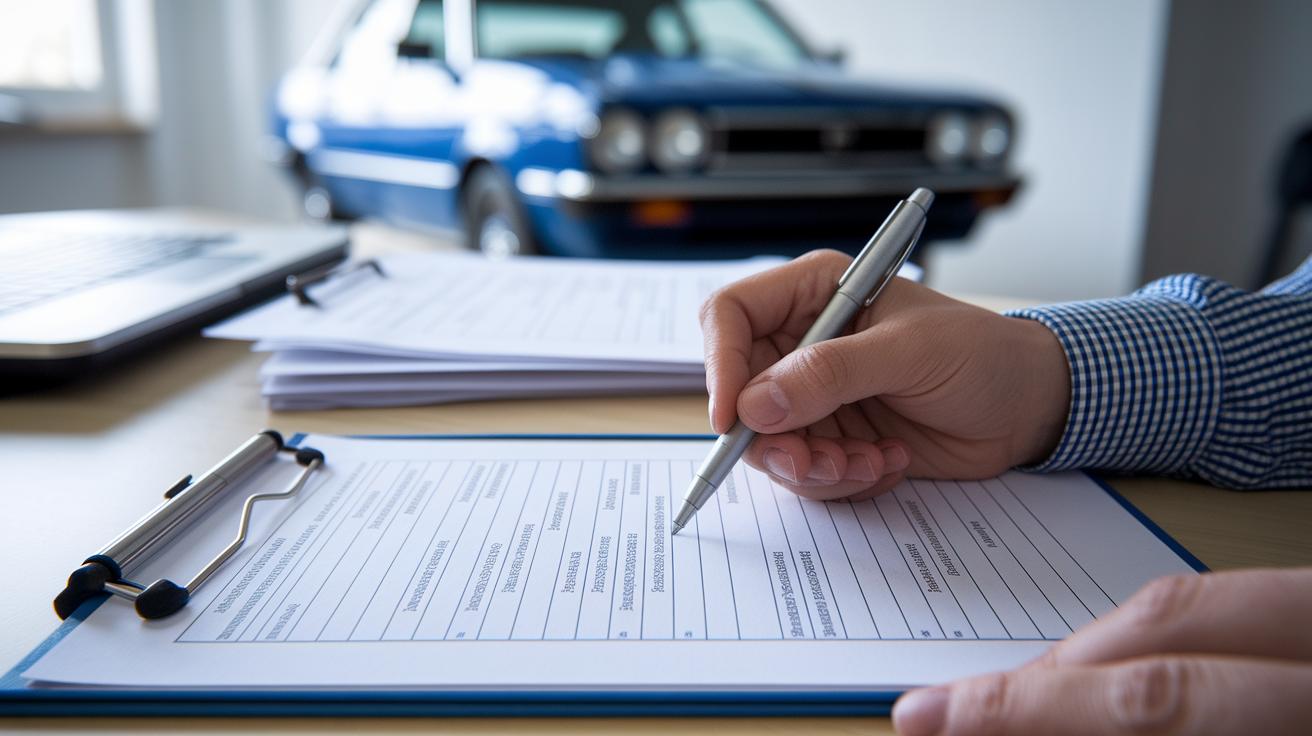
Selling your car in Texas? It’s important to have your paperwork in order. A vehicle bill of sale gives you a clear, written record that the car has changed hands. This step-by-step guide shows you how to finish the auto sale agreement from official Texas forms, ensuring you cover all key details like buyer and seller information, as-is sale disclosures, and a full description of your vehicle.
Before you wrap things up, both you and the buyer should check that everything is written down correctly. The buyer will need to bring a filled-out title transfer form along with the bill of sale, and the seller must sign and include details from their title application. Here’s a simple checklist to help you along the way:
- Collect the original title and note the current odometer reading.
- Download and fill out Form VTR-346 (PDF).
- Write down the names, addresses, and contact details for both buyer and seller.
- Describe the vehicle with details like its make, model, VIN, and year.
- Clearly state the sale price, the date, and the location of the sale.
- Sign the document in front of a witness or notary if it’s recommended.
- Make three copies of the bill of sale, one for you, one for the buyer, and one for your records.
Next, you’ll need to file the title transfer affidavit for vehicles along with your completed private party auto form. Double-check that all the information is the same on every document and submit everything to the correct office within 30 days of the sale. Following these steps will help you have solid proof of car ownership in Texas and reduce any chances of disputes later on.
Texas Bill of Sale Forms and Templates for Vehicles
Texas offers a host of official forms that make selling or transferring your vehicle a breeze. These documents cover everything from cars to boats and even other special vehicles. They work as sale agreements or purchase contracts and follow state rules to ensure every detail (like your vehicle's description, price, and sale date) is clearly recorded, even when you sell “as-is.” You can easily download these PDF forms from the Texas DMV website.
| Form Name | Use | Form Number | Where to Obtain |
|---|---|---|---|
| Vehicle Transfer Notification | For car transfers | VTR-346 | Texas DMV website |
| Bill of Sale for Boats | For boat transactions | PWD-143 | Texas DMV website |
| Application for Title/Registration | Vehicle title transfer | 130-U | Texas DMV website |
| Private Party Auto Form | As-is auto sale contract | N/A | Texas DMV website |
Downloading these PDFs makes the entire process simple and straightforward. Using these state-approved forms ensures that every necessary field is filled out properly, keeping your transaction on firm legal ground. Before you finish your paperwork, take a moment to review the specific requirements for your sale to stay in line with Texas law.
Meeting Texas Title Transfer and Vehicle Registration Requirements

After you finish the bill of sale, the next step is to handle the legal paperwork to transfer ownership. In Texas, this means filing Form 130-U (Application for Texas Title and/or Registration) along with the signed original title, an exact odometer disclosure (a statement that shows the car’s mileage), and proof of liability insurance. Doing this gives you proper car ownership proof and ensures your vehicle transfer certificate is processed correctly. Plus, filing within 30 days of the sale helps you avoid penalties.
Application for Texas Title and/or Registration
To file the application, you need to gather a few key documents. First, get the completed Form 130-U, then the seller’s signed original title, your vehicle’s odometer statement, and current proof of insurance. Bring these papers to your local county tax office, where officials will check that all the details are correct before processing your application. County offices can also offer help if any part of the process is unclear. Taking a moment now to check everything can save you later hassle.
Submission Deadlines and Fees
Make sure to submit your documents within 30 days of the sale to steer clear of late fees. Missing this deadline might lead to penalty charges that vary by county and vehicle type. Registration fees are partly based on your vehicle’s weight and local fee schedules, which can differ from one county to another. It’s a smart move to check with your local tax office about the exact fee structure and any extra paperwork that might be needed. Keeping your records current protects both the buyer and seller and makes the transfer of ownership smooth.
Using a Bill of Sale Texas for Non-Vehicle Transactions
A Texas bill of sale isn’t just for cars. It works well for trading items like boats, guns, or even expensive equipment. For example, many buyers and sellers create one when trading firearms to help avoid any confusion about who owns what.
When you’re moving items other than vehicles, you can use the same simple format. Even though Texas law does not force you to use a bill of sale for firearms, having a written agreement gives you extra protection. Think of it like building your case step by step, it lays everything out clearly.
Sometimes, you might find forms like junk motor vehicle papers or the as-is auto document from Texas. These can be adjusted to fit other types of transactions, such as machinery, precious metals, or other equipment. Using a sales affidavit designed for vehicles in Texas (or its non-vehicle version) means you capture key details like the item description, sale price, date, and contact information of everyone involved.
A purchase contract used for automotive sales in Texas can also serve as a handy model. It helps keep your records straight and can avoid disputes later. Often, putting together a Texas bill of sale for items that aren’t vehicles makes the process clearer and more legally sound.
Common Questions on Bill of Sale Texas and Legal Clarifications

When you're handling a bill of sale in Texas, there are a few important things to know. Notarization isn’t required, but many choose to add it for extra security. You’ll need three copies of the document, one for you, one for the buyer, and one for the local county records. Forms in any language are accepted, including Spanish, so that really makes things easier.
Be sure to include all the necessary details like the full names of the buyer and seller, their identification numbers, the sale price, the date, and the location of the sale. And remember, you must file the completed document with your local county tax office within 30 days.
Final Words
In the action, this article explained what a bill of sale texas is and why it matters. It broke down key sections like required details, step-by-step completion for vehicles, and other real-life uses. We also answered common questions to help clear up any confusion. With this guide, you can move forward with confidence and clarity in your legal tasks. Enjoy applying these insights to your everyday legal work.
FAQ
Where can I find printable Texas bill of sale forms in PDF or Word format?
Printable Texas bill of sale forms are available online on official DMV websites and trusted legal template providers. They offer PDF and Word versions for vehicles like cars and trailers.
How do I transfer a car title to a family member in Texas?
The process to transfer a car title to a family member in Texas involves completing a title application, signing the bill of sale, and submitting Form VTR-346 with the original title to the county tax office within 30 days.
Can I write my own bill of sale in Texas?
Writing your own bill of sale in Texas is allowed if you include all required details. This means listing buyer and seller names, addresses, vehicle information (like VIN), sale price, sale date, and location.
Is a bill of sale required in Texas?
A bill of sale provides legal evidence of ownership transfer and is highly recommended for clarity and protection in Texas transactions, especially for vehicles and high-value property.
Do Texas bills of sale have to be notarized?
Notarization is not required for Texas bills of sale, though having the document notarized can offer extra assurance and help resolve any future disputes between the parties involved.