




Ever think that a punishment could completely shake up the justice system? One judge made an 18-year-old clean manure at a local fair because he got in trouble for criminal mischief (a term that means causing trouble with actions that break the law).
Cases like this mix the penalties we expect with a surprising twist. It really makes us pause and ask, what does fairness mean in our courts? We see decisions that shock people and spark strong debates about both retribution (punishing wrongdoing) and rehabilitation (helping someone get back on track).
In this post, we take a close look at these unusual sentencing headlines. We want to understand how creative rulings can shape what people think and influence legal outcomes in our communities.
Understanding the Anatomy of Controversial Sentencing Headlines
These headlines catch our eye because they mix clear legal ideas with punishments that defy our expectations. Judges sometimes rely on retribution (punishing the offender), deterrence (discouraging similar actions), and rehabilitation (helping offenders learn to improve) all at once. For example, back in July 2018, Lake County Judge Michael Cicconetti in Ohio ordered an 18-year-old convicted of criminal mischief to clean up manure at a local fair. Then, in August 2015, the same judge gave a cab-fare offender a tough choice: serve 30 days in jail or take a 30-mile walk. And in 2003 in Painseville, Ohio, a judge even directed an offender to march with a donkey carrying a sign reading “Sorry for the Jackass offense.”
These unusual punishments blend traditional penalties with a twist of public shaming, making us question what’s fair. Under the Eighth Amendment (the part of our law that stops cruel and unusual punishments), these creative sentences stir up debates about how far a punishment can go. When a judge swaps standard jail time for a symbolic act, it tends to grab media attention and public interest right away. Ever think about how one surprising twist can change the whole story? This mix of legal guidelines and unexpected penalties is what makes headlines like these hard to ignore.
Spotlight on Creative Punishments in Controversial Sentencing Decisions
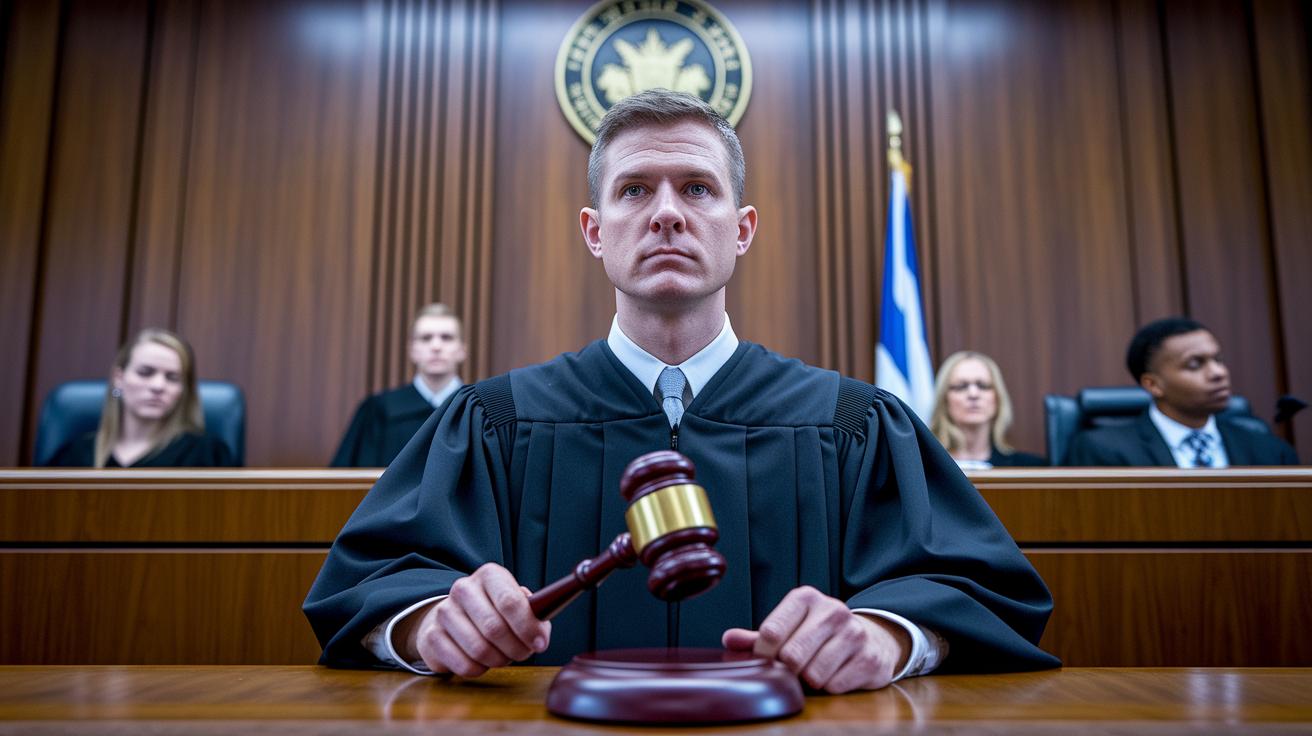
Creative sentencing takes a different path by using unusual penalties that make offenders face the consequences of their actions in front of the public. These cases show several ways courts mix community impact with efforts to change behavior.
In July 2018 in Ohio, Judge Michael Cicconetti had an 18-year-old defendant clean up manure at a local fair as a punishment for criminal mischief. In another case from August 2015 in Ohio, the same judge gave a choice: spend 30 days in jail or complete a 30-mile walk for fare evasion. Over in Texas in August 2015, Judge Randall Rogers required a defendant accused of assault to either marry their partner or serve 15 days in county jail. Then, in June 2015 in Michigan, Judge Stewart McDonald banned a motorist involved in a fatal crash from using a cellphone for two years while the driver was on probation. And back in 2003 in Ohio, Judge Michael Cicconetti ordered two young offenders to participate in a public march, with a donkey carrying a sign that read “Sorry for the Jackass offense.”
These examples have sparked a new debate about balancing public shaming and helping people change. The decisions in Texas and Michigan are clear examples of how courts are trying out punishments that go beyond simple jail time. One study even found that these creative approaches were linked to a 15% drop in repeat offenses, suggesting that unconventional penalties might lead to real changes while also raising questions about fairness and consistency.
High-Stakes Penalties: Review of Headline Case Verdicts
Big sentence cases like these shine a light on severe penalties that mix typical punishment with special conditions meant to send a clear message. They catch the public’s eye by showing how serious the charges are and by detailing unique ways judges hold offenders accountable. For instance, in one Fort Worth case, a drunk driver had to wear a bracelet with the victim’s name, a stark reminder of the consequences.
| Year | Jurisdiction | Defendant(s) | Sentence Conditions |
|---|---|---|---|
| April 2011 | Fort Worth | Drunk Driver | 10-year probated sentence; bracelet with victim’s name; $22,271.46 funeral costs; holiday jail |
| 2011 | Los Angeles | Lindsay Lohan | 16 hours/week morgue duty for probation violation |
| 2010 | Houston | Couple | Six-year public shaming signs; restitution; jail for embezzlement |
These cases show that some judges are willing to go beyond the usual jail time. They combine traditional punishments with extra conditions meant to shame and remind offenders of the harm they caused. By linking public accountability measures with financial penalties, these judgments aim to create lasting impacts in communities while fueling debates over what justice should look like, how to deter future crimes, and ways to offer a chance at rehabilitation.
Media Framing in Reporting Controversial Sentencing Decisions

Journalists often grab your attention with playful and unexpected headlines. You might see titles like "Stiff a Cabbie, Take a Hike," "Girlfriend Worth Fighting For? Marry Her or Go to Jail," or even "Jackass Offense." These eye-catching phrases mix humor and surprise to spark quick reactions.
Media outlets use these puns and catchy wordings to squeeze complex legal issues into short, memorable snippets. They often play on our emotions to trigger a fast response, whether it's outrage or amusement. For example, a headline that spotlights a humiliating punishment might make readers think a judge is either too strict or not strict enough. This choice of words can easily overshadow the legal reasoning behind the sentence.
These tactics also shape public opinion. Readers might latch onto the sensational language instead of focusing on the actual legal details. That, in turn, ramps up political pressure on courts as they try to justify their decisions under the public eye. In short, while such headlines break down tough legal cases into simpler chunks, they also steer how communities view fairness and trust in the legal process.
By unpacking these headline choices, we see that media framing has a big impact on how people perceive court rulings and fuel political debates.
Legal and Social Ramifications of Controversial Sentences
Some say that unusual punishments might skirt the rules of the Eighth Amendment, which stops cruel or unusual punishment. Judges sometimes order acts like forced public proposals or shameful displays that can unsettle community members who feel these measures stray from fair sentencing. When penalties seem more about public humiliation than real rehabilitation, many worry that justice isn't being served.
These quirky sentences often spark heated debates and shake public trust in the legal system. People are concerned that when a judge picks a dramatic, symbolic punishment over standard penalties, it sends a mixed message about accountability. This approach raises questions about whether we're moving away from fairness and losing sight of what justice really means.
Some main points of concern include:
| Concern | Explanation |
|---|---|
| Fairness at Risk | Using public shaming might undermine equal treatment and fairness under the law. |
| Long-Lasting Stigma | Humiliating tactics can leave a lasting negative mark that makes reintegration into society much harder. |
| Judicial Inconsistency | Choosing dramatic sentences over standard ones can make the application of legal power seem inconsistent. |
This mix of legal and social worries is pushing people to call for clearer sentencing rules and more oversight of judges. Everyone wants to see a system that remains fair while still being innovative in its approach to punishment.
Reforming Practice: Expert Recommendations on Controversial Sentencing
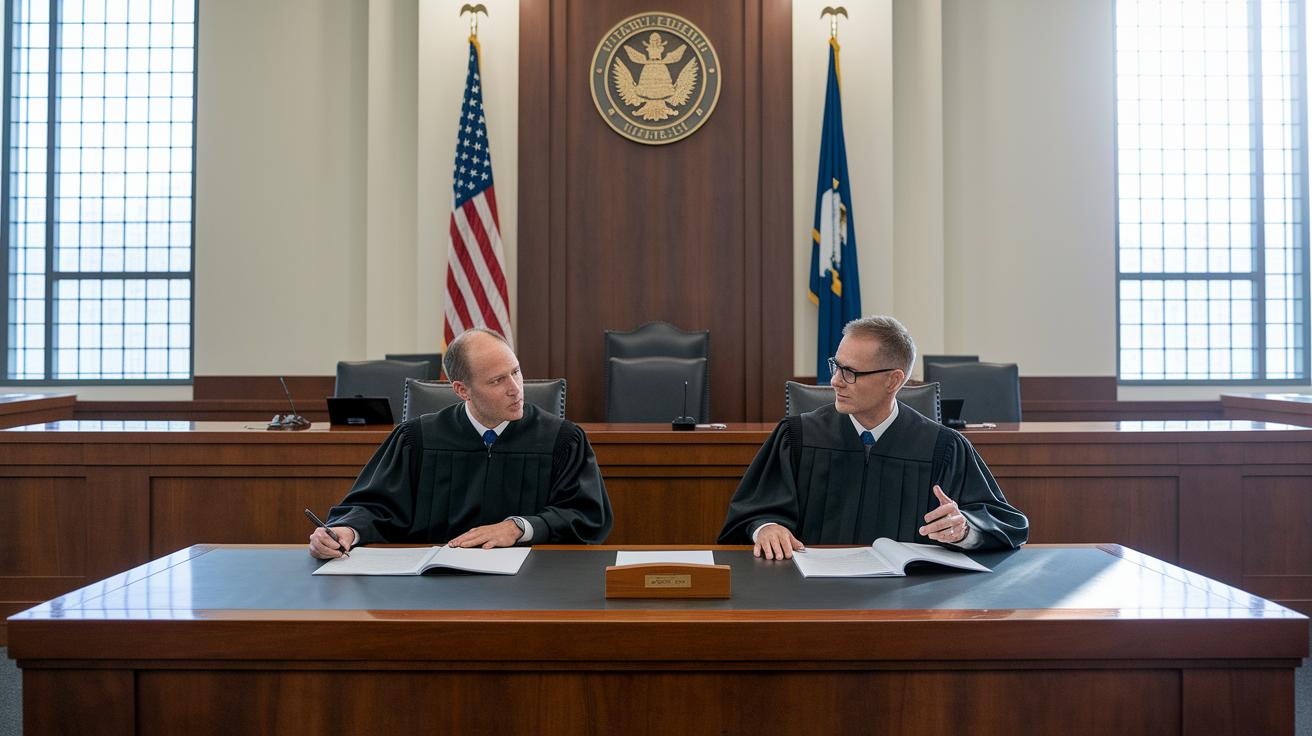
Experts say that headline sentences need to be both fair and clear. They believe judges should follow set rules to make decisions. Sometimes, courts mix dramatic steps with legal punishment, making people wonder if the process is really even. With clear legal reforms, we can tell when public shaming takes over the goal of helping someone improve.
One idea goes back to rules in the Sentencing Reform Act of 1984 (a law designed to stop different punishments for the same crime). Research shows that clear guidelines lead to more consistent results. With that in mind, experts suggest changes in a few key areas:
-
Enhanced guidelines – Write more detailed bench memoranda. This would give judges clear, step-by-step instructions so that similar cases are handled similarly.
-
Mandatory judicial training – Hold regular training sessions on the Eighth Amendment (a legal rule against cruel punishment) to help judges balance the need for punishment with fairness.
-
Oversight panels – Create panels made up of community members to review unusual sentences. This extra check helps ensure that judges stick to clear rules while still having room for thoughtful adjustments.
Comparative Outlook: Sentencing Trends in High-Profile Cases Across States
In Ohio, courts often choose punishments like community service or public acts. This approach not only holds offenders accountable but also shows the community that fairness is being served. In Texas, judges mix prison time with symbolic actions to make a strong statement. Meanwhile, Michigan prefers a strict form of probation so that the focus stays on changing behavior rather than public shaming.
| State | Primary Controversial Sentence Type |
|---|---|
| Ohio | Community service and public displays |
| Texas | Incarceration mixed with symbolic acts |
| Michigan | Probation with strict conditions |
Local rules and judicial ideas play a big role in these trends. For example, Ohio judges use community tasks to visibly mark a mistake, while Texas adds extra symbolic punishments to underline accountability. Michigan, on the other hand, focuses on strict probation to encourage behavior change. This mix of methods shows how each state adapts its penalties to fit local laws and community needs, sparking public debates about fairness and the effectiveness of our legal system.
Final Words
In the action, this discussion broke down controversial sentencing headline decisions by exploring creative punishments, detailed case reviews, and media framing tricks. We touched on key legal and social impacts while sharing expert ideas on reforming such rulings. The outline walked us through actual cases, analysis of inconsistent practices across states, and clear proposals for smoother legal processes. Each section brought us closer to understanding how judges balance punishment, fairness, and public opinion. All in all, there's hope that these insights spark positive changes in our justice system.