


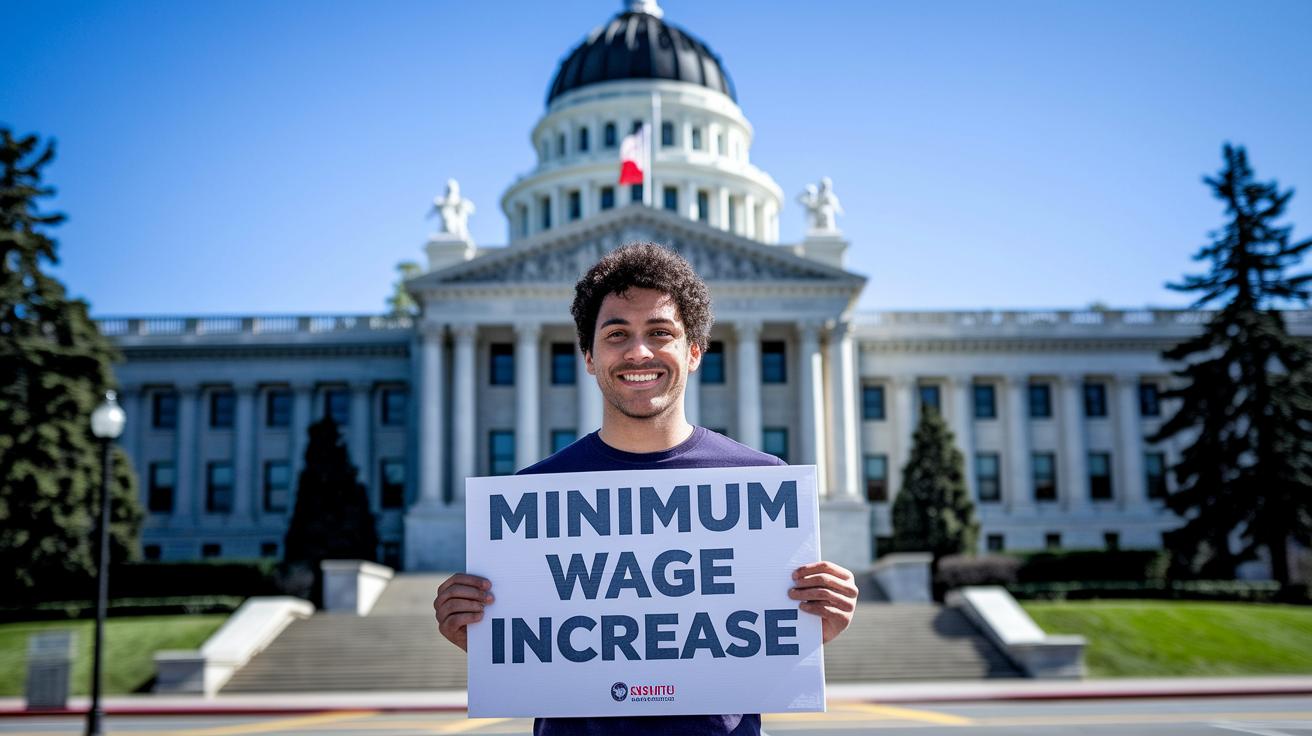
Ever wondered if you’re getting a fair paycheck? California is shaking things up to help workers earn a bit more. Starting July 1, 2025, many cities and counties will have new minimum wage rates that better match the high cost of living.
Employers will need to update their pay systems, kind of like setting a clock so it stays right. This change is set to impact both employees and business owners around the state.
Curious about how these changes might affect your day-to-day work and income? Read on, and we’ll walk you through the details step by step.
California Minimum Wage: Comprehensive State Law Overview and 2025 Adjustments
California sets its minimum wage higher than the federal standard, making sure that workers earn more while following clear state payroll rules. In plain terms, employers must meet these state rules which help protect workers' rights by paying above the federal level, especially since the federal minimum is lower. Think of it like making sure everyone's basic living needs are met across different regions.
On June 12, 2025, lawmakers announced some exciting changes. Starting July 1, 2025, several cities and counties across California will see local minimum wage bumps. This means businesses will need to tweak their payrolls, just like updating a computer program to keep it running right. And yes, it’s a bit of work, but these changes are meant to help workers earn a fair wage that matches local living costs.
These updates also remind us that local governments have the power to adjust salary rules to reflect how expensive life can be in different areas. With new city and county orders, employers are encouraged to check the state’s wage schedule and get ready for any further changes. It’s like building your case step by step – you ensure every piece fits together for fair pay.
In a nutshell, this proactive move by lawmakers shows that states are ready to adapt their rules to real-life economic shifts in diverse communities. Employers must stay alert and follow the updated payroll guidelines as these local changes roll out.
County and City Variations in California Minimum Wage for 2025

Local government units in California can set wages that match local living costs and economic needs. Starting July 1, 2025, many counties and cities will update their minimum wage rates. This change follows a June 12, 2025 announcement, meaning businesses need to update their payroll systems to meet the new numbers. It’s a clear example of how local rules affect everyday work and costs.
| Jurisdiction | Effective Date | New Minimum Wage |
|---|---|---|
| Los Angeles | July 1, 2025 | $18.50 |
| San Francisco | July 1, 2025 | $19.00 |
| San Diego | July 1, 2025 | $18.25 |
| Orange County | July 1, 2025 | $18.00 |
| Alameda County | July 1, 2025 | $18.75 |
| Sacramento | July 1, 2025 | $17.50 |
Different regions show distinct wage rules that reflect local living costs and the overall economy. Employers in each area will need to update payroll systems, change employee contracts, and adjust their internal processes to align with the latest local wage info.
For example, a business that operates in both San Francisco and Sacramento must use different wage calculations for each area. This method not only helps keep things fair for workers but also lets employers plan their budgets with better accuracy. It’s a bit like fitting together the pieces of a puzzle so each part matches perfectly with its local setting.
Exempt vs Nonexempt Employee Standards Under California Minimum Wage
California law splits employees into two groups: exempt and nonexempt, and each group follows its own pay rules.
Exempt Employee Salary Thresholds
Exempt employees get a fixed salary that doesn't change even if they work extra hours. For many jobs, the law says you must earn at least twice the state minimum wage in a year. This rule covers many office or professional positions. Imagine getting a steady paycheck regardless of extra time spent at work. This simple payment method fits roles where flexible scheduling is part of the job.
Nonexempt Pay and Overtime
Nonexempt workers are paid by the hour, and every minute you work is carefully recorded. When you work more than the usual hours in a week, you earn time and a half, which means 1.5 times your normal pay rate. For employees who get tips, those tips can count toward your hourly wage, but your employer must make up any difference if the total is less than the minimum wage. Think of it like balancing a scale, every minute matters to ensure fair pay. This clear system helps keep hourly payment fair and straightforward for everyone involved.
California Minimum Wage and Related Employment Laws

In California, the minimum wage rules go hand in hand with wider work standards that protect employee rights. Employers must follow clear guidelines to ensure fair pay for workers doing similar jobs. They are also expected to share clear wage information, which helps everyone understand how pay is set.
Businesses must also offer paid sick leave and provide training to prevent sexual harassment (unwanted, inappropriate behavior at work). This means employees not only get needed time off when they’re sick but also enjoy a safer, more respectful workplace. Plus, companies need to post key labor details so workers can easily review their rights.
Recordkeeping isn’t just a good idea, it’s a legal must. Employers are required to keep detailed records of wages and benefits, which can be checked by state agencies at any time. Ever notice how a small error in your records can lead to big problems? That’s why accurate documentation is so important, and failing to comply can lead to steep penalties.
California Minimum Wage: Exciting update now
Fast food joints and restaurants are feeling the squeeze from higher labor costs. They’re turning to new fast food wage guidelines to help adjust their day-to-day operations. Imagine your favorite burger spot tweaking its work schedules and menus to keep up with rising expenses, it’s like mixing up a trusted recipe so that everything still comes out just right. Often, these small changes are made on the fly to cover extra costs while keeping service quality intact.
Retail stores and other service jobs are also under pressure. Shifts in employee pay are leading businesses to rethink how they handle wages. Picture a small shop that might need to change its prices or adjust its staffing to deal with these new challenges. Each financial decision matters, kind of like setting the perfect price on a product you love.
Healthcare centers and gig work platforms aren’t sitting out either. With higher wage standards, clinics are re-evaluating hourly rates to ensure care remains affordable. Meanwhile, pay for gig workers on app-based platforms is finally getting a boost. It’s similar to a community health center fine-tuning its budget while local freelancers enjoy a much-needed raise.
Final Words
In the action of unpacking updates on california minimum wage, we broke down essential changes in wage law, local adjustments, and rules for exempt and nonexempt employees. We looked into the local tweaks set for July 2025 and how they tie in with other employment standards.
This clear overview helps simplify complex details so that you can feel confident discussing these updates. Step forward with clarity and optimism as these changes shape our work environment.
FAQ
What is the current minimum wage in California?
The current minimum wage in California is set by state law and updated yearly. The latest changes come into effect on July 1, 2025, with rates varying by jurisdiction.
How often does California increase its minimum wage?
California follows a schedule where local authorities adjust wages at set times, including a significant update on July 1, 2025, making regular increases part of the state’s approach to fair pay.
How does the minimum wage for fast food workers in California work?
The minimum wage for fast food workers is included in California’s general wage updates. Their rates adjust according to local mandates and the new July 1, 2025 schedule.
What is the history of the minimum wage in California?
The history of California’s minimum wage shows a steady climb over the years, with systematic increases designed to keep pace with living costs compared to the federal benchmark.
What are the minimum wages in Los Angeles and San Francisco?
Both Los Angeles and San Francisco set their own minimum wages. These rates are updated under local authority and are part of the new schedule taking effect on July 1, 2025.
Who is entitled to a $20 minimum wage in California?
In certain California jurisdictions, specific sectors may see a $20 minimum wage due to local legislation or contractual agreements, reflecting a targeted effort to boost pay.
Is $17 the minimum wage in California?
In some areas or sectors, the minimum wage may be as low as $17, depending on local rules. Wage rates differ by location and are subject to periodic updates.
Is earning $21 an hour considered good in California?
Earning $21 an hour in California is competitive in many regions, though the value can change with local cost factors. Each area’s living costs will influence how sufficient this pay is.
How does California’s minimum wage compare to New York’s?
California’s minimum wage is determined by state and local laws with frequent updates, while New York’s rates are set by its own state regulations, indicating different approaches to minimum pay.