


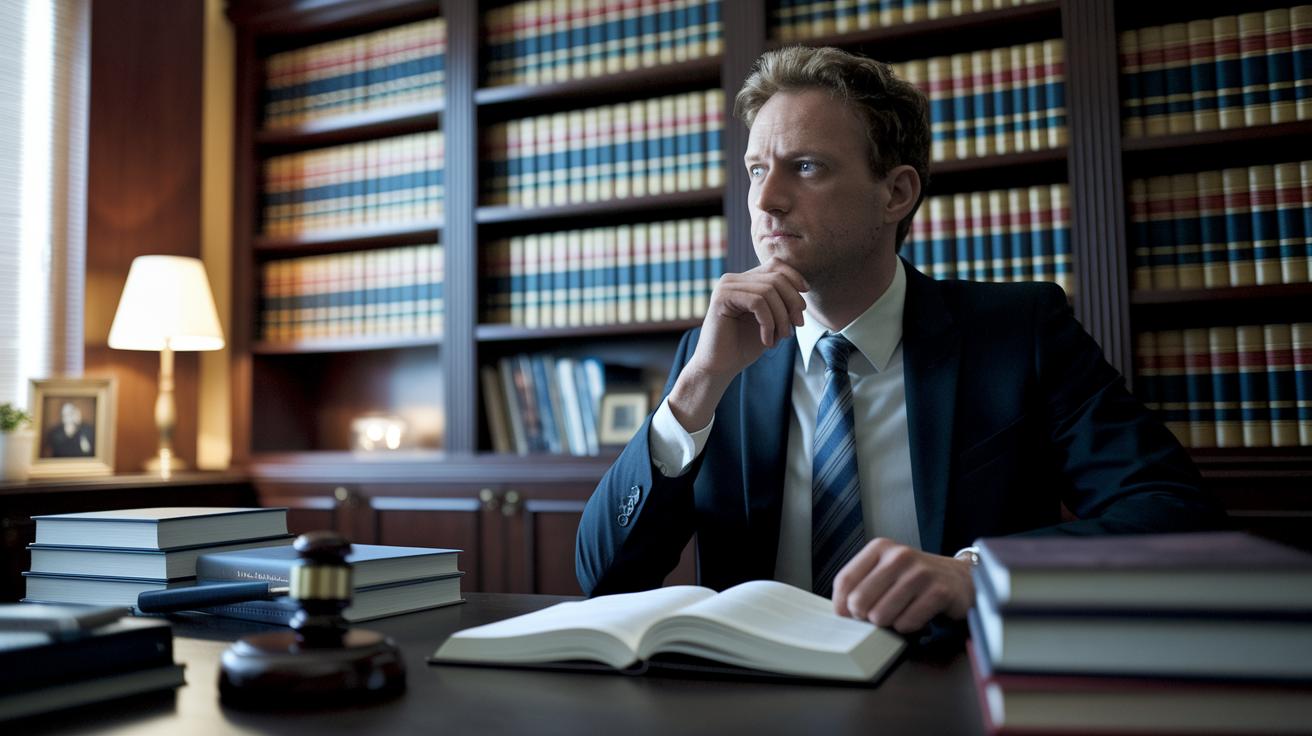
Ever wonder how a lawyer manages staying true to a client while also being fair? Every day, lawyers face sticky moral choices, like handling conflicts of interest (when a lawyer’s duties to different people clash) and keeping private details safe. Little decisions can really test a lawyer’s honesty and the trust we all put in them. In this article, we'll explore how meeting tough calls with straightforward rules and real honesty builds lasting professional success and true integrity in the practice of law.
Core Ethical Dilemmas in Legal Practice
Working in law means facing ethical puzzles at every stage, from those just starting out to the most seasoned practitioners. You have to balance a fierce commitment to your client with a wider duty to society. Sometimes, you’re pushed to fight hard for your case while still sticking to ethical rules. Even basic challenges like conflicts of interest, keeping information private, and the stress of heavy caseloads can test anyone’s resolve.
There are more hurdles too. Some might resort to overly aggressive tactics or bend billing rules. Others may lean too much on technology, putting client data at risk. When representing more than one client at the same time, there’s a real danger of divided loyalty, which is why getting clear, written permission is so important. And let’s not forget about ethical missteps like overstating credentials or letting personal ties influence professional judgments, mistakes that can lead to suspensions or even being disbarred. All of this shows why sticking to clear policies and ongoing training is so important in today’s legal world.
- Conflict of interest when representing multiple clients.
- Breaches of client privacy in complex cases.
- Overly forceful legal tactics that may harm the court's process.
- Dishonest billing practices that can hurt clients.
- Dual representation issues that require written, informed consent.
- Data security and digital privacy challenges.
- Misrepresentation of credentials or experience.
- Personal relationships that cloud professional judgment.
By tackling these issues early, you build a solid, ethical foundation in legal practice. Managing these risks not only protects your clients but also strengthens trust and integrity in your work. In short, addressing these challenges from the start sets you up for lasting professional success.
Conflicts of Interest in Legal Practice

Sometimes a lawyer faces a conflict of interest. This happens when their commitment to one client might clash with what another client needs or even with their own personal interests. It becomes a problem when a lawyer’s loyalty is split or when money influences their advice.
Here are a few examples of situations that can create conflicts:
- Representing clients who are on opposite sides of a case
- Accepting fee arrangements where earnings are linked to other interests
- Owning a personal stake in a case that might sway the advice given
- Working on multiple cases where what one client wants conflicts with another’s goals
- Being in a firm where internal relationships may affect unbiased decision-making
Lawyers can keep their practice honest by setting up strong systems to check for conflicts. They review case files regularly and get advice from ethics boards (groups that offer guidance on fair legal practices) when a potential conflict shows up. They also write down every check and get clear, written permission from clients so everyone understands the risks from the start.
Building solid routines for legal accountability, like routine training and honest communication, helps a lawyer stay clear-minded. This proactive approach builds trust with clients and keeps the spirit of professional responsibility intact.
Client Confidentiality Challenges in Legal Practice
In legal work, keeping what a client tells you private is key. Every chat, email, or note shared with a lawyer is meant to stay between you and your lawyer. This helps build trust so that clients feel safe discussing even their most sensitive issues. And yes, this rule covers digital files too, lawyers need to use secure ways to store and share information.
Protecting client secrets isn’t only about keeping details under wraps, it’s about guarding any information that could impact someone's case or personal life. There are a few narrow exceptions allowed by law to look after broader public interests or safety. For instance:
| Exception | When It Applies |
|---|---|
| Crime or Fraud Prevention | If sharing is needed to stop a crime or fraud. |
| Court Orders | When a court tells the lawyer to reveal information. |
| Preventing Serious Harm | If not sharing could really hurt someone. |
When a lawyer breaks client confidentiality without a good reason, the fallout can be serious. Unauthorized sharing of information might lead to formal disciplinary actions, like sanctions or even disbarment. Such outcomes not only damage a lawyer’s career but also shake the trust you and other clients have in the legal system.
Ethical Advocacy and Zealous Representation

Zealous representation means fighting hard for a client while also following the rules that keep the courtroom fair. Attorneys must be passionate defenders but never use tricks that hurt the legal process. It's all about balancing loyalty to the client with a duty to the legal system and even the opposing side. Sometimes, the drive to win can tempt lawyers to push too far, but real legal advocacy always sticks to guidelines that keep trials fair and free from manipulation.
- Deliberately holding up procedures to gain an unfair edge.
- Presenting evidence in a way that confuses the court.
- Pressuring or scaring witnesses during their testimony.
- Exaggerating claims so much that it sways the outcome beyond what the facts support.
Keeping the courtroom honest is as important as fighting hard for a case. Every trial isn’t just about winning, it’s about ensuring that fairness remains at the heart of the process. Think of building your case like constructing a bridge: every piece must support the whole structure. When lawyers use overly aggressive tactics, they risk their professionalism and the trust of both the public and the court. Ethical advocacy is an art that calls for clear, level-headed thinking, making sure every step is built on solid facts and honest arguments. This way, passionate representation and professional integrity can truly go hand in hand in every courtroom.
Managing Dishonest Clients and Professional Integrity
Sometimes a client might push for a shortcut by taking a dishonest route, and that puts you in a tricky spot. As their lawyer, you need to stick to your principles and refuse to back up false claims, even when the pressure is on.
Here's what you should do:
- Explain to your client that taking this path could lead to serious consequences for your career.
- Say no to presenting any evidence or claims you know aren’t true.
- Keep a detailed record of every discussion where an unethical request comes up, noting your objections and the advice you provided.
Documenting these interactions is key. It not only shields you if someone questions your actions later, but it also shows you’re committed to following legal standards. Asking for guidance from a supervisor or an ethics committee can further support your decision to do what’s right. By holding firm to these practices, you ensure that your work stays on the right side of the law, protecting both your reputation and the integrity of the legal system.
Technology, Data Protection, and Ethical Practice

Cyber security risks are growing every day since digital tools and cloud services have become a big part of legal work. When data is accessed without permission, it can quickly damage the trust clients place in you. With more rules and high public interest, lawyers need to stay on top of their security game.
- Use strong security measures to fend off attacks.
- Keep sensitive info safe with encrypted messages.
- Set up strict controls so only certain people see important data.
- Regularly update software to close security gaps.
- Constantly check for risks and train your team on data safety.
For lawyers, these tech practices aren’t just IT tasks; they are a core part of ethical duty. Protecting clients and keeping your practice trustworthy means using secure systems is just as important as any legal file. By building up secure digital defenses, you are protecting your clients and staying in line with legal rules. Whether you work in a big firm or on your own, putting security first helps keep ethical practices at the heart of everything you do in this digital age.
Case Studies of Ethical Violations in Legal Practice
Looking at real-life cases helps us see what happens when lawyers cross ethical lines. These examples show that actions like dishonest billing, inflated résumés, hidden conflicts of interest, and breaches of client confidentiality can lead to serious consequences. They often result in actions like disbarment (losing the right to practice law) or long-lasting damage to a lawyer’s reputation and firm. In short, each of these cases teaches us why it's so important to stick to strong ethical rules in every legal situation.
| Case | Ethical Issue | Outcome |
|---|---|---|
| Billing Misconduct | Dishonest Billing Practices | Disbarment |
| Falsified Credentials | Padded Résumés | Suspension |
| Undisclosed Conflicts | Conflict of Interest | Public Sanctions |
| Confidentiality Breach | Improper Disclosure | Severe Financial Fallout |
These cases point to a common theme: when lawyers put their own interests or quick gains before honest work, the fallout can be huge. It might start with an investigation into professional misconduct and lead to formal disciplinary processes. So really, the lesson is simple: build your legal career on solid ethical practices and keep checking in with yourself. That way, you help preserve trust with the public and keep the legal profession strong.
Disciplinary and Regulatory Responses to Ethical Breaches

Lawyer groups, like bar associations, play a big role in keeping our legal system honest. They check into bad behavior and make sure lawyers follow the rules. Think of them as watchdogs for the legal world. They hold formal meetings, decide on penalties when rules are broken, and use reporting and peer review systems to keep everything open and fair.
There are a few common responses when a lawyer makes mistakes:
- A warning for small slip-ups.
- A suspension for more serious issues, which means the lawyer can’t work for a while.
- Expulsion for actions that permanently harm a lawyer’s reputation.
- Fines that show even small mistakes come with a cost.
If a lawyer feels unfairly treated, they can challenge the decision. They have the right to appeal if they think something went wrong in how the rules were applied or if the process wasn’t fair. By knowing the appeal steps and using tools like risk assessments (that help check for mistakes) and compliance audits, lawyers can work through the system. In short, this helps ensure that any punishment fits the mistake and that their rights remain protected.
Building an Ethical Culture in Law Firms
Law firm leaders create the foundation for honest and ethical work. When those at the top act with integrity and back clear rules, everyone in the firm feels motivated to do the right thing. They help guide everyday choices through regular ethics meetings and ongoing training sessions. Open discussions mean team members can ask tough questions or share concerns without feeling scared.
- Regular ethics training so all employees know the rules.
- Mentoring programs that match junior staff with seasoned lawyers.
- Routine reviews of firm policies to keep them current.
- Technology tools that ensure communications stay secure and open.
- Peer-review groups that regularly check how things are done.
- Anonymous ways for staff to give feedback or report issues.
Measuring how well these practices work is a must. When law firms track improvements and share both wins and challenges, it builds a culture of continuous learning. By holding regular meetings, gathering feedback from staff, and updating plans, leaders ensure that values like fairness and accountability keep growing stronger. This steady focus on ethical progress builds trust among team members and with the clients they serve.
Final Words
In the action, the article took us through key issues like conflicts of interest, client confidentiality, ethical advocacy, and professional integrity. It showed how case studies, technology risks, and regulatory responses shape our understanding.
These insights remind us that tackling ethical dilemmas in legal practice calls for thoughtful decision-making and ongoing learning. Keep pushing forward, applying these clear legal insights with confidence and care.
FAQ
Q: Ethical dilemmas in legal practice essay
A: The ethical dilemmas in legal practice essay examines issues like conflicts between client interests, breaches of confidentiality, and questionable billing practices, guiding professionals to balance advocacy with ethical responsibility.
Q: Legal dilemmas and ethical dilemma scenarios examples
A: The legal dilemma examples highlight conflicts of interest, dishonest billing practices, and dual representation challenges that force attorneys to balance client loyalty with strict professional ethics.
Q: Legal and ethical examples in business
A: The legal and ethical examples in business illustrate challenges such as maintaining fair reporting, preventing fraud, and upholding honesty, all of which underscore the importance of transparency in corporate decision-making.
Q: Illegal-ethical example
A: The illegal-ethical example describes situations where actions remain legally acceptable yet spark serious ethical concerns, prompting professionals to follow clear moral guidelines even in ambiguous legal contexts.
Q: Examples of legal and ethical issues in healthcare
A: The examples of legal and ethical issues in healthcare involve breaches of patient confidentiality, improper consent, and billing mistakes, emphasizing the need to integrate legal standards with ethical patient care.
Q: Legal dilemmas companies
A: The legal dilemmas companies encounter include conflicts between profit motives and regulatory compliance, challenges in ethical reporting, and managing stakeholder interests while staying true to legal standards.
Q: Ethical issues in law enforcement
A: The ethical issues in law enforcement center on maintaining impartiality, avoiding the misuse of authority, and balancing public safety with individual rights, ensuring that officers adhere to clear ethical policies.
Q: What is an example of an ethical dilemma in law?
A: The example of an ethical dilemma in law might involve a lawyer needing to protect client confidentiality while preventing harm, forcing a choice between duty to the client and the greater public interest.
Q: What are the top 10 ethical problems for lawyers?
A: The top 10 ethical problems for lawyers include conflicts of interest, breaches of confidentiality, aggressive tactics, dishonest billing, and issues with dual representation, all of which challenge a lawyer’s integrity and trust.
Q: What are the 4 types of ethical dilemmas?
A: The four types of ethical dilemmas generally involve conflicts of interest, dual representation challenges, confidentiality breaches, and dishonest practices, each requiring careful judgment when balancing competing duties.
Q: What is an example of a legal dilemma in real life?
A: The example of a legal dilemma in real life can involve a lawyer representing opposing parties, which risks divided loyalties and mandates rigorous conflict checks and informed consent from all involved clients.