


Staying active is important for everyone, but with Chronic Kidney Disease (CKD), exercise becomes a key part of protecting your health and quality of life. Alongside good kidney care, the right exercise routine helps manage symptoms, boost energy, and build strength. But with CKD, it’s crucial to develop a plan that matches your unique health needs and abilities.
This article provides step-by-step guidance on creating a safe exercise routine for people managing CKD—from consulting your medical team to noticing how your body responds.
Consult Your Healthcare Provider
Always check with your healthcare provider before starting a new exercise program. They can assess your fitness level, go over your medical history, and tailor recommendations according to your stage of CKD and related issues like high blood pressure or diabetes.
Key questions to discuss:
- What kinds of activity are best for me right now?
- Should I modify my current routine as my CKD progresses?
- What warning signs mean I should slow down or stop?
Your provider’s input ensures your routine supports your health without straining your kidneys or risking injury.
Select Safe, Effective Activities
The best exercises for CKD are low-impact and easy on your joints, while still strengthening your body and improving endurance.
Recommended activities include:
- Walking: A gentle, adaptable exercise for all fitness levels. Start slow and increase duration as you feel comfortable.
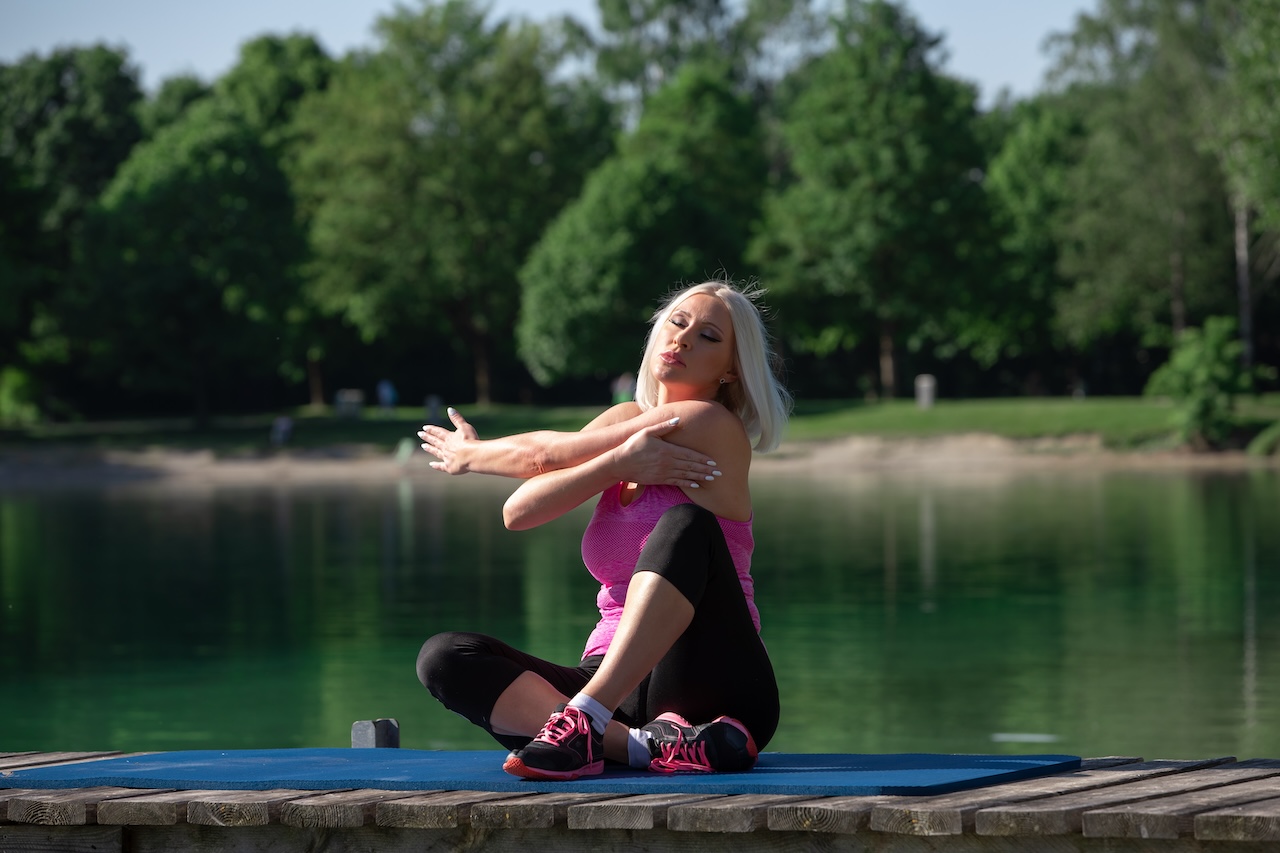
- Stretching or Yoga: These improve flexibility, lower stress, and are easy to customize for your ability.
- Cycling or Swimming: Both provide great cardiovascular benefits without stressing your joints. Begin with short sessions and add more time as your stamina grows.
What to avoid:
- Heavy weightlifting or high-intensity strength training
- High-impact activities (like running on pavement) or contact sports
Adjust your exercise choices to your current physical abilities, and remember, regular movement is more important than intensity.
Monitor Your Body’s Signals
Listening to your body is vital when exercising with CKD. Overexertion or ignoring symptoms can backfire, so pay close attention.
Stop or rest if you notice:
- Excessive fatigue or being much more tired than normal
- Dizziness, chest pain, or shortness of breath
- Swelling in feet, hands, or joints, or new pain
Keep a simple exercise log. Tracking activities and symptoms helps you recognize patterns, make adjustments, and discuss any concerns with your healthcare provider.
The Many Benefits of Physical Activity
Being active offers both physical and mental rewards for CKD management.
Physical benefits:
- Better heart health: Regular exercise can lower blood pressure and reduce your risk of heart problems—especially important with CKD.
- More energy: Staying active helps fight fatigue and makes daily life easier.
- Weight control: Healthy weight reduces strain on kidneys and can slow CKD progression.
Emotional benefits:
- Less stress and anxiety: Activities like yoga or outdoor walks boost mood and relaxation.
- Higher confidence: Achieving exercise goals, no matter how small, helps you feel empowered to manage your health.
Motivational Tips for Staying Active
Starting—and sticking to—an exercise routine can be a challenge. Try these strategies to maintain motivation:
- Set small, realistic goals: Break bigger objectives into easy wins to celebrate progress.
- Stay social: Exercise with a friend or family member. Accountability and support make routines more enjoyable.
- Celebrate milestones: Reward yourself, whether you add a few more minutes to your walk or complete extra stretches.
- Be flexible: Life is unpredictable, especially with CKD. It’s okay to adjust your routine as needed without feeling discouraged.
Final Thoughts
Exercise, paired with thoughtful kidney care, is a powerful way to support your health when living with CKD. Always talk with your healthcare provider before starting or changing your routine, pick low-impact activities suited for your fitness level, and closely monitor how you feel during and after exercise. Every step you take—literally—makes a difference for your well-being. Find a routine that fits your life, start gently, and enjoy the physical and emotional benefits of staying active.