



Have you ever thought that legal drafting is more than just arranging words on a page? It's much like following a trusted recipe, where every step is key in putting together a strong case.
With a system that saves time and helps prevent mistakes, even the trickiest details can be turned into clear, effective documents. When you focus on being precise and use simple language, you set the stage to win cases and earn respect.
So, ready to see how each part of the process can lead you to legal drafting excellence?
Understanding the Legal Drafting Process
Legal drafting is a step-by-step task that needs careful attention and a great eye for detail. Lawyers often spend about half of their time on these documents, so having a smooth process is a big deal. Most start with a simple template that includes common parts like names, signature sections, and standard clauses. It’s like following a trusted recipe that makes your work clear, consistent, and easier to manage.
Think of it as building your case piece by piece. You first pick the best example (a precedent, meaning a previous example used as a guide) and then add the specifics as you go. This method not only boosts accuracy but also saves time and cuts down on mix-ups. Here’s a quick look at the main steps:
| Step | Description |
|---|---|
| 1. Select & Review Precedents | Find a solid example to build from |
| 2. Build the Framework | Lay out clear headings and sections |
| 3. Draft Operative Clauses | Write clear, risk-managed language |
| 4. Final Review | Check for consistency and format |
In short, this blueprint lets lawyers put together legal documents one step at a time, ensuring that every detail meets both strict firm standards and everyday clarity.
Essential Principles of Effective Legal Drafting

When drafting legal documents, clarity and consistency are your best friends. Lawyers stick to simple rules that cut out confusion and keep the message clear for everyone. In other words, using everyday words instead of fancy language makes it easier for both the writer and the reader to understand every point.
Plain English is a real lifesaver here. For example, start with a clear definition, say, "The client must approve this clause" instead of a vague alternative. This simple step helps prevent issues down the line and keeps every detail in check.
Consistency matters a lot, especially when junior lawyers depend on senior attorneys for feedback and to meet firm standards. Many law firms use a specific style guide to make sure every document looks and sounds the same. And roles like paralegals (legal assistants who help verify and format documents) are key to ensuring each section follows trusted templates.
Structuring Legal Documents: Formatting and Standards
Legal documents are built like a simple recipe. They start with a clear title and a few background statements (recitals) that set the scene, then move on to sections like definitions and the main operative parts before finishing off with signature blocks. This step-by-step order makes it easy for everyone to spot what they need. For example, the title immediately tells you the document's purpose, while the recitals give you the context for the agreement.
A consistent look is key. Think of it like following a roadmap: numbered headings, matching font sizes, and standard margin settings all help keep things organized, so you can quickly jump to the section that matters. Many law firms stick to specific style guides that detail these formatting rules, ensuring every document feels professional and clear.
Standard sections, often called boilerplate, cover details like jurisdiction, governing law, and dispute resolution clauses. In plain terms, these parts make it clear which laws apply and how conflicts should be handled. Using such common formatting not only boosts clarity but also lines up with industry practices, making it easier for legal professionals to review or update documents as needed.
Legal Drafting: Achieve Excellence Today
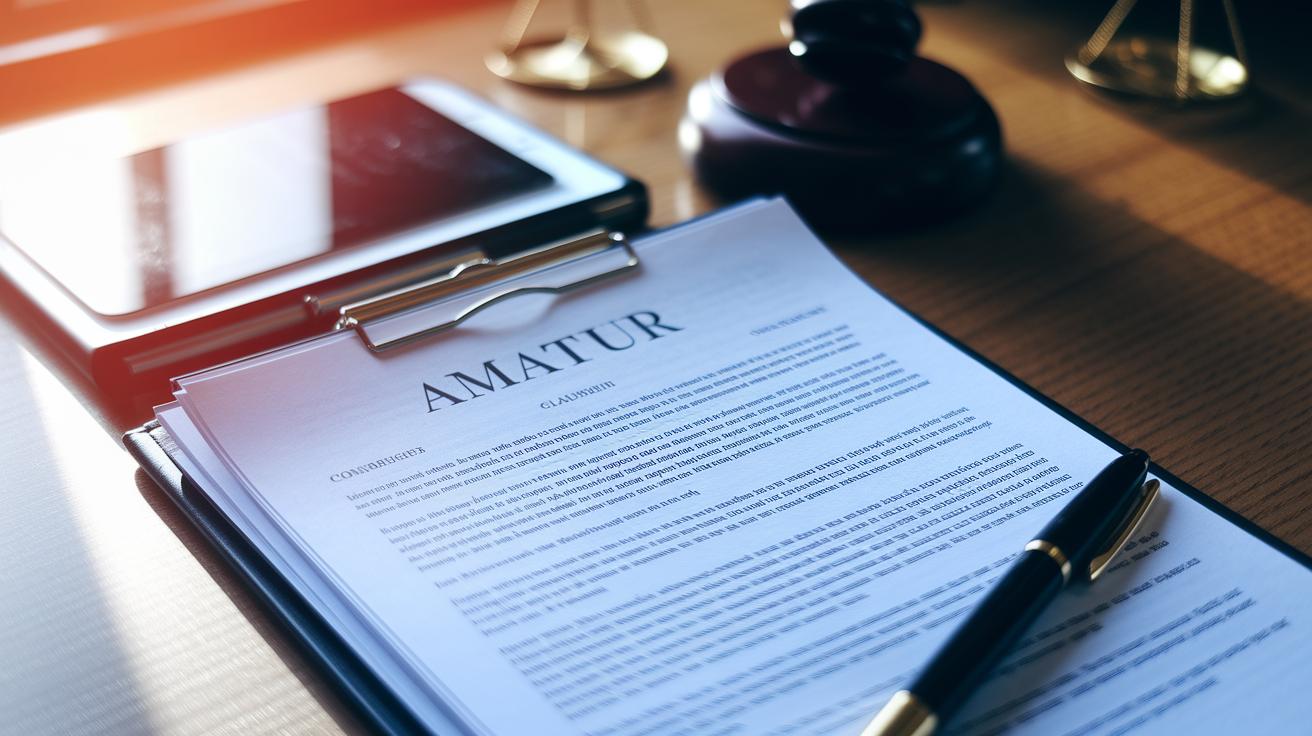
To draft legal documents at a top level, try using smart techniques that save time and lower risk. Experts have found that mixing trusted templates with clear, action-ready language helps avoid disputes and misunderstandings.
Using Precedent Clauses
Begin with precedent clauses, templates for known elements like party names, standard text, and signature sections. For instance, using a tried-and-true signature block can save you time and cut down on errors. This method builds your documents on familiar, reliable language.
Drafting Operative Clauses
When drafting operative clauses, clearly spell out rights, duties, and any promises that only kick in under certain conditions. Keep the language plain so everyone knows what they need to do. Also, include details to limit liability, explain indemnification (an agreement to cover losses), and set warranties. For example, you might write: "The client shall provide written notice within 30 days and agrees to indemnify for any losses from a delayed notice." This way, every obligation is clear and risks are well managed.
Case Study: Effective Risk Management Integration
Think about a case where adding clear risk-management language made everyone’s responsibilities obvious. One firm updated its contract templates with precise limitation-of-liability and warranty terms. Believe it or not, a mid-sized firm cut post-contract disputes by 25% just by fine-tuning its clauses. This proves that refining your existing language to cover risks can add real value without reinventing the wheel.
Avoiding Common Pitfalls in Legal Drafting
Legal drafting can be a real minefield, even a tiny mistake might cancel out an entire contract. When terms are vague or clauses are fuzzy, they can spark arguments and even trap you into unexpected obligations. These issues usually show up when you don’t take a close look at important definitions or when different people write the document in different styles. Essentially, clear and precise language in your contract isn’t just about avoiding goof-ups; it’s about making sure your document holds up under any review and clearly does its job.
It’s also important to remember that common pitfalls can slow down the review process, making it hard to tell which version is the most current. To cut down on errors and boost clarity, try these hands-on tips:
- Overreliance on outdated templates: Keep your precedents updated regularly.
- Vague definitions: Define key terms clearly every time.
- Overly complex sentences: Break long clauses into shorter, simpler statements.
- Inconsistent terminology: Stick to a style guide so your language stays uniform.
- Misplaced risk allocations: Double-check indemnity (protection against loss) and liability sections.
- Poor version control: Use solid document-management practices to keep track of changes.
Leveraging AI and Digital Tools in Legal Drafting

AI tools are changing the way we finish legal documents. These smart programs jumpstart your draft and work with tools like Word to offer real-time feedback. They check your language and spot mistakes before they can change a contract's meaning. Upgrading your system to use these tools means updating your tech and getting everyone, from IT to management, on board.
Evaluating AI Tool Capabilities
When you’re choosing an AI tool, go for one that offers great accuracy and has a solid history of using previous legal cases for reference. Look for features that help prevent mistakes, like protections against generating false information (often called "hallucination prevention"). For more details on a tool’s features, check out this link on legal resources: legal resources. Tools that automatically check for inconsistencies and include risk management language can keep your drafts clear and legally sound.
Ensuring Data Security and Accuracy
Data security matters just as much as drafting speed. Choose an AI solution that promises safe data handling with strong API security (which means secure ways for programs to communicate) and that learns from well-chosen legal data. This helps protect sensitive information and builds trust in the tool. Embracing AI in your drafting process is a forward-thinking move, it can make your work faster, more accurate, and even more competitive.
Sample Templates and Resources for Legal Drafting
Legal professionals have lots of documents to prepare, and using ready-made templates can make the process a lot easier. Many law firms offer large collections of templates for agreements, wills and trusts, power of attorney forms (legal documents that let someone act for you), and memos. Bar associations provide standard forms and even textbooks give clear examples. For example, a strong agreement template works like a well-tested guide that helps beginners build their draft step by step.
Most of these templates are easy to find online or through a firm's internal network. Bar association websites and academic centers update their collections regularly to match current legal rules. This not only saves time but also makes sure that all documents follow the same standards. Checking these resources can give you quick insights into the best ways to construct legal documents.
Online classes and workshops from trusted providers offer another great way to improve your drafting skills. These courses often include practical exercises and a set of templates for creating memos and other documents. One course might say, "Start with a detailed template to make sure every clause fits modern legal standards." This hands-on approach helps you learn by doing, giving you access to free resources and structured guidance.
Collaborating and Reviewing: Quality Control in Legal Drafting

Working together and giving careful reviews are key to creating solid legal documents. Law firms often use tools that blend clear version tracking with real-time feedback. This method helps spot mistakes early and keeps everything aligned with both firm rules and industry norms.
Version Control in Drafting
With smart version control, teams can work on different parts of the document without getting in each other’s way. For example, branching lets each member focus on their section. The track-changes feature logs every tweak, making it easy to check older drafts if a question pops up. Once everyone agrees, only the approved changes make it into the final, dependable document.
Collaborative Review Platforms
Cloud-based tools let everyone work on a document at the same time. They feature built-in chats so team members can quickly drop in comments or suggestions. This direct commenting and clear approval routing keep all eyes on the project, reducing mix-ups and smoothing the way for fast, coordinated updates.
By working closely together and keeping a careful eye on every detail, legal drafting becomes a process you can trust. Using proven version control methods and collaborative platforms makes sure each document is clear, consistent, and up to the high standards of the legal world.
Final Words
in the action, we broke down a step-by-step view of legal drafting, from using proven templates to applying clear, plain language in operative clauses. We touched on the importance of a structured framework, teamwork during review, and digital tools that support document preparation. Each step is a building block for fewer errors and stronger contracts. With these insights, legal drafting becomes a process of continuous improvement that empowers you to create confident, reliable documents. Stay positive and ready for the next challenge in your legal work.
FAQ
Q: What are some recommended legal drafting books, PDFs, and templates?
A: The legal drafting books, PDFs, and templates guide you in preparing clear legal documents. They provide standard examples and structured models to help you build accurate agreements.
Q: What are examples of legal drafting and what does its format look like?
A: The examples of legal drafting include contracts, agreements, and legal memos. They typically follow a structured format with headings, operative clauses, definitions, and signature blocks.
Q: What is considered legal drafting and what does it look like?
A: Legal drafting means preparing legal documents using precise language and predefined sections. It looks like a detailed framework that covers parties’ rights, obligations, and necessary legal provisions.
Q: How do I draft a legal document?
A: Drafting a legal document involves reviewing existing precedents, setting up a clear framework with defined clauses, writing precise language, and performing a final review to ensure consistency.
Q: What does it mean to draft a law?
A: Drafting a law means writing legislative text that establishes legal rights and duties. It requires clear language, careful structuring of provisions, and a systematic approach to outline regulations.
Q: How does AI impact legal drafting?
A: AI impacts legal drafting by speeding up draft initiation and providing checks for consistency and risk language. It makes the process more efficient while helping maintain accuracy in legal documents.
Q: What can I expect from a legal drafting course?
A: A legal drafting course teaches you how to create clear and precise documents using templates and best practices. It enhances your skills in structuring clauses, managing risks, and applying legal standards.