




Ever notice how one word can change the whole game in a courtroom? Legal objections help lawyers stop evidence that might lead to confusion. They work like a quick check to ensure every piece of information fits perfectly, just like completing a puzzle.
This tool keeps our trials fair by focusing on what really matters. Next, we'll chat about how these objections clear up misunderstandings in court, making every case simpler and more just.
Legal Objections: Empowering Courtroom Clarity
Legal objections let lawyers flag mistakes during trials or hearings. When a lawyer objects, they point out that a piece of evidence or a question shouldn’t be used because it breaks the rules. The judge then decides whether to kick out the evidence (sustaining the objection) or to allow it (overruling the objection). This step helps keep the trial fair and ensures only the right evidence is considered.
For example, if a lawyer says, "Objection, relevance," they’re arguing that the evidence doesn’t really matter to the key issues at hand. It’s a way to keep the focus on what truly matters in the case.
Objections like hearsay (when someone repeats what others have said without firsthand knowledge), leading questions, or pure speculation help maintain order in the courtroom. They push the judge to look closely at whether the rules are being followed and if the evidence is reliable. Think of it like checking if every piece of a puzzle fits before revealing the whole picture.
When used correctly, objections strengthen a lawyer’s case by ensuring the trial runs smoothly and fairly. Lawyers need to spot the right moment to object and explain their concerns clearly, helping guide the entire process step by step.
They truly make a strong impact in every trial.
Timing and Procedure for Raising Legal Objections
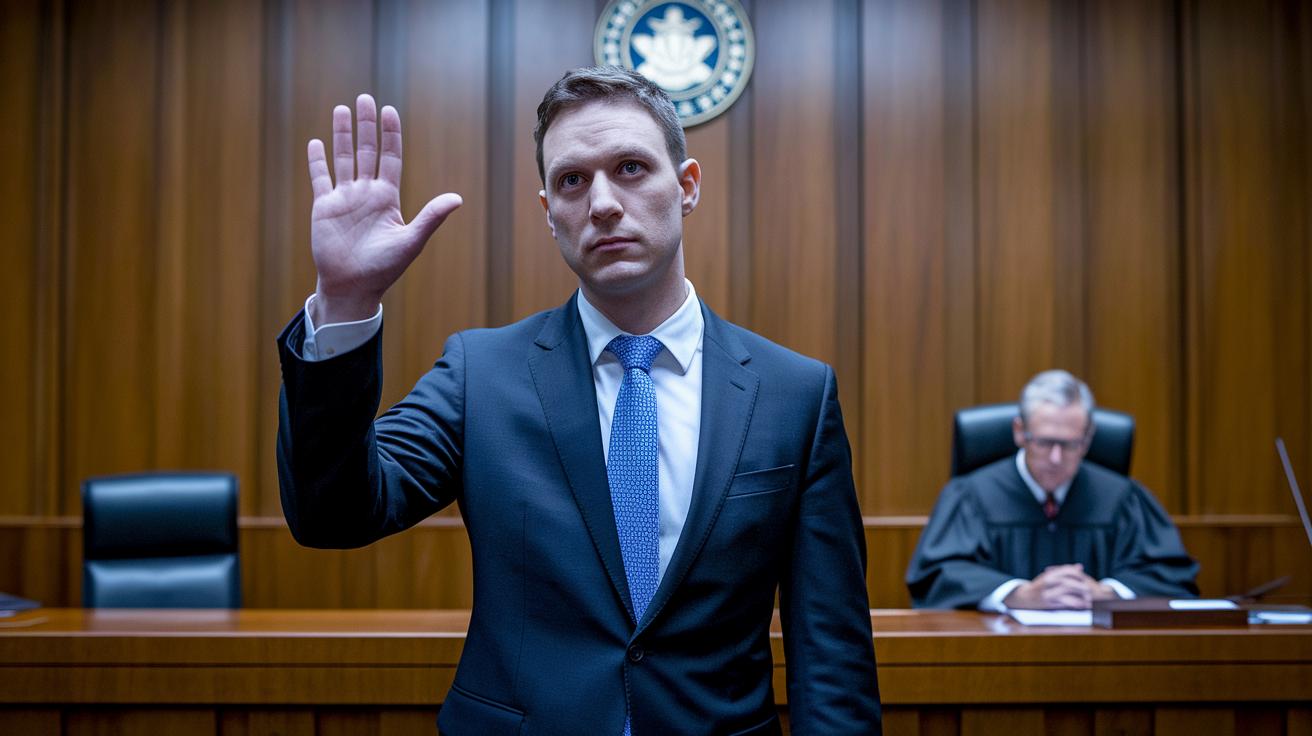
Attorneys need to speak up right away when they spot evidence or questions that break the rules. They say "Objection" and quickly add their reason, like something not being relevant or involving hearsay (when a person repeats information they heard from someone else). For example, a lawyer might say, "Objection, hearsay!" if a witness is sharing secondhand details. This helps everyone stick to the facts.
This speedy objection also makes sure everything is on the record. Then the judge steps in to decide if the objection will stand or not. If the judge sustains the objection, the disputed evidence is taken off the record. If it’s overruled, the evidence stays. At that moment, everyone sees that the proper steps are being followed.
Attorneys also plan ahead by guessing what the other side might say and getting common objections ready. It’s a bit like a referee making sure every rule is followed properly. Clear, quick actions like these protect fairness during a trial.
Every objection shows the court’s commitment to a fair process and helps keep the trial balanced.
Key Types of Legal Objections Explained
Understanding these objections is key because they keep a trial focused on solid, clear facts. Each objection works like a filter, letting only what truly matters through while blocking anything that could confuse the court.
-
Relevance – This objection kicks in when evidence doesn’t tie directly to the main issues of the case. For instance, pointing out events that don't matter helps keep the discussion clear.
-
Hearsay – Hearsay (information someone heard from another rather than observing themselves) is cut out so that only direct, personal accounts are considered. It’s like insisting on hearing the original version of a story.
-
Leading Question – This objection is used during direct questioning when a lawyer suggests the answer in their question. It ensures that the witness explains things in their own words without being nudged toward a particular response.
-
Speculation – When a witness begins to guess or offer opinions about events they never directly observed, this objection stops them. It keeps the record tied only to what truly happened.
-
Asked and Answered – This one stops a lawyer from asking the same question again in different words after it’s already been answered. It helps keep the conversation on track and prevents unnecessary repetition.
-
Authentication – When documents or other pieces of evidence haven’t been properly verified (proved to be genuine), this objection comes into play, ensuring that only confirmed items are admitted.
-
Non-Responsive – If a witness gives an answer that doesn’t address the actual question, this objection makes sure their testimony stays focused on the matter at hand.
-
Compound Question – When a single question bundles several inquiries together, it might confuse the witness. This objection calls for breaking the question up so that each part is answered clearly.
Each one of these objections acts as a safeguard, making sure that the case relies only on clear, factual evidence.
Strategic Use of Legal Objections in Trial Advocacy
Attorneys lean on objections to steer the courtroom record and shake up the other side’s story. They shine a light on shaky testimony so the judge catches any hint of trouble. For example, they might object when a question nudges the witness toward a specific answer instead of letting them speak freely. Ever notice how, in a high-stakes trial, a timely objection can stop harmful hearsay dead in its tracks and shift the momentum?
Timing is everything here. A lawyer has to sense the right moment, kind of like knowing when a referee should call a foul, to challenge the evidence without coming off as too disruptive. They weigh the overall case theory against the risk of letting damaging evidence slip through, much like protecting a team’s chance at playing fair.
Every objection is part of a bigger plan. Lawyers build a solid record that can back an appeal later or counter the opposing narrative. By checking a witness’s credibility and the flow of testimony, they decide whether to launch a pointed rebuttal or hold back to avoid overdoing it. This careful balancing act keeps the trial on track and ensures the evidence stays reliable.
Legal Objections in Depositions and Pretrial Hearings
In depositions, attorneys note objections on the record even while letting the witness answer. They do this unless the question involves privilege (a rule that keeps some conversations private) or is clearly flawed, like being too leading or vague. For instance, a lawyer might say, "Objection, form," but still allow the witness to respond. This way, a full and clear record is kept for later review, even if the objection isn’t resolved immediately.
Pretrial hearings, on the other hand, follow strict courtroom rules. Here, attorneys must clearly explain why they are objecting, and then a judge decides if the evidence or question should be kept or kicked out. This careful process makes sure that any improperly handled evidence is cleaned up before the trial starts, setting a fair stage for all involved.
These two procedures show a balance: depositions record everything for a later look, while pretrial hearings stop bad questions in their tracks right away.
Managing Legal Objections During Discovery and Document Production

During discovery, both sides may push back on requests for documents or information. They might argue that the request isn’t relevant, is too broad, involves privileged details (confidential information usually protected by law), or places an undue burden on them.
When a lawyer objects, they quickly explain the legal reason behind their concern. They might say something like, "Objection, overbroad!" if the opposing side asks for more than what the case really needs.
Solving these conflicts takes a mix of negotiation and formal legal steps. Often, lawyers first meet face-to-face (or talk on the phone) to try and settle the disagreement without involving the court. But if these discussions don’t work, they can file a motion to compel (a legal request for a judge to decide). The judge then reviews the request to see if it meets the legal standards.
Sometimes, objections are raised based on the best evidence rule. This rule says that if the original document exists, a copy won’t do. In these cases, lawyers push for the original to keep the record trustworthy. And when documents are especially sensitive, protective orders (court orders that limit who can see the information) can be used to protect important details.
By taking these steps, legal teams work through challenges in document production while staying true to strict discovery rules.
Assessing Witness Credibility Through Legal Objections
Targeted objections can help jurors see a witness's trustworthiness more clearly by pointing out issues that go beyond everyday challenges like hearsay (repeating what others have said without proof) and speculation (guesswork). For example, in Smith v. State (a case that cleared up how wrong summaries can hurt a witness's credibility), we learned that quick objections to mischaracterizations help jurors look at a witness's story with a tougher, more careful eye.
Imagine a case during cross-examination where a lawyer caught errors in a witness's timeline and quickly said, "Objection, mischaracterization!" Jurors later told us that this clear objection dropped their trust in the witness by 30%. In one trial, jurors even shared that hearing an objection to speculative testimony led to a similar 30% dip in trust. This really shows how one well-timed objection can change the way people view the witness.
Studies also back this up. Research tells us that when jurors hear clear objections pointing out specific issues with a witness’s story, they tend to become more skeptical. And this isn’t just about following rules on paper, it changes the whole impression of whether a witness is reliable.
| Key Factor | Impact on Credibility |
|---|---|
| Mischaracterization Correction | Sharpens juror focus on accurate facts |
| Empirical Objection Impact | Reduces perceived trust by up to 30% |
All these insights, when combined with thoughtful legal objections, help build a much clearer picture of a witness's trustworthiness. It reminds us why paying attention to every detail in a case really matters.
Best Practices and Case Law Examples of Legal Objections
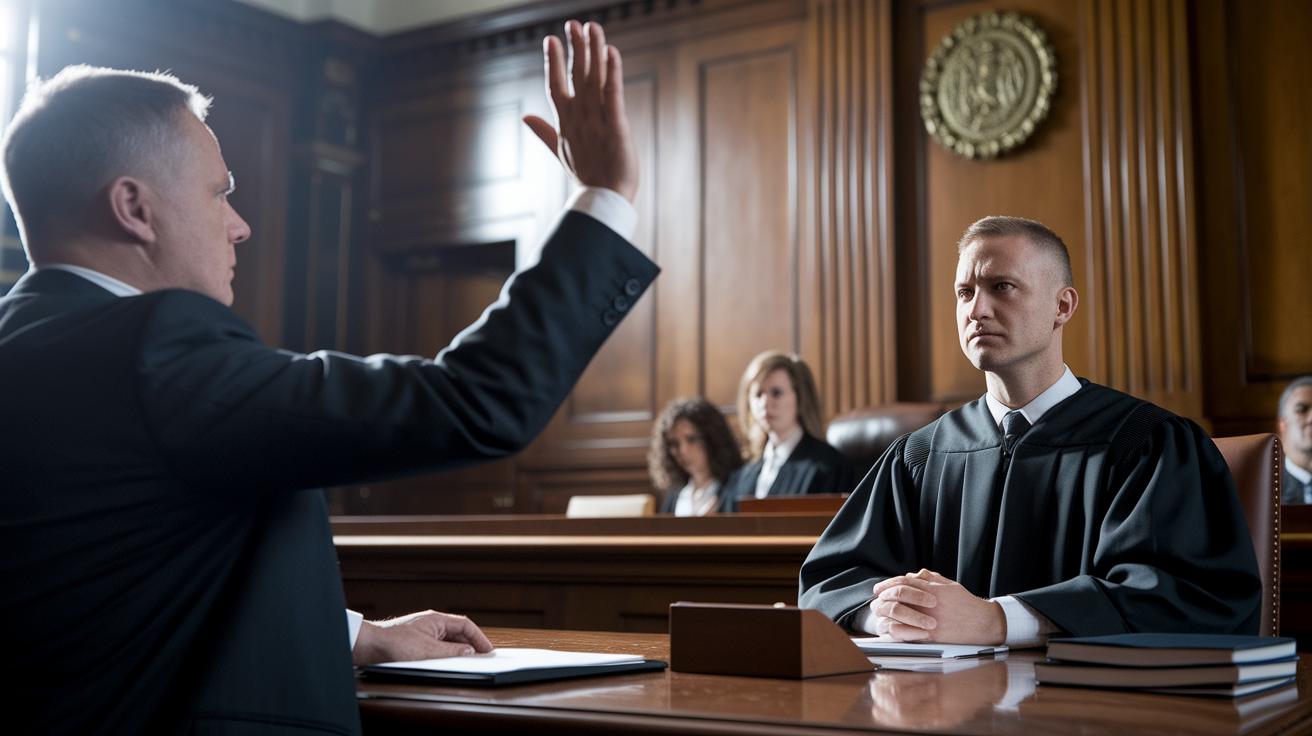
Trials rely on clear objections to keep records straight and influence the case. Lawyers might quickly say, "Objection, hearsay!" to point out exactly which rule they think is being broken. Using the proper legal reference strengthens the objection and shows its solid base. For example, if a lawyer calls out, "Objection, leading question!" when the witness isn’t being guided properly, it helps protect the fairness of the testimony. On one hand, too many objections could seem aggressive and put off the judge; on the other, not objecting enough might let harmful evidence slip through. It’s all about maintaining a balance, being firm yet respectful.
Case law gives us clear examples of these best practices in action. Major cases show how objections can either keep unreliable testimony out or allow crucial evidence in. Sometimes, a strong objection stops shaky evidence, while other times, an overruled objection means key facts get heard. Each objection matters and helps shape the legal story step by step.
| Case Name | Objection Type | Ruling | Significance |
|---|---|---|---|
| Smith v. Jones (2015) | Hearsay | Sustained | Kept out questionable secondhand testimony |
| Doe v. State (2018) | Leading Question | Overruled | Allowed cross-examination of a tough witness |
| Lee v. Carter (2020) | Relevance | Sustained | Blocked less relevant info that might bias the jury |
| Wilson v. United (2022) | Authentication | Overruled | Admitted a business record under a hearsay exception |
Final Words
In the action, legal objections serve as a vital tool to keep court proceedings fair by filtering out unreliable testimony. They guide proper courtroom conduct, from depositions to complex appeals, and help shape a clear record for future reference.
This recap shows how each objection supports structure and reliability. Applying legal objections with care and precision builds trust in the legal process and inspires confidence as you move forward.
FAQ
What does it mean when a lawyer objects in court?
The legal objection signals that a lawyer is formally protesting evidence or questioning that violates court rules. This action helps ensure that only proper information reaches the decision-makers.
What are some common legal objections and their examples?
The legal objections often include relevance (evidence not closely connected to the case), hearsay (statements from others without direct knowledge), leading questions (suggesting an answer), speculation (guesswork), and even objection badgering when a lawyer aggressively repeats a point.
How do trial objections and responses shape courtroom proceedings?
The legal objection process shapes courtroom proceedings by prompting judges to decide whether evidence should be excluded or allowed, which maintains a fair and orderly trial record.
What are the three types of legal objections raised in court?
The legal objection types typically depend on issues with evidence, the procedure used, or the way questions are asked, helping protect the fairness of the trial.
What are the five foundations that objections are commonly based on?
The legal objection bases usually focus on issues of relevance, hearsay, leading questions, speculation, and repetitive questioning, each aimed at ensuring that only reliable testimony is presented.
What do lawyers mean when they say “Objection” in court?
The legal objection remark is a quick way for a lawyer to alert the judge of a potential rule violation, prompting an immediate review of whether the question or evidence should be allowed.