



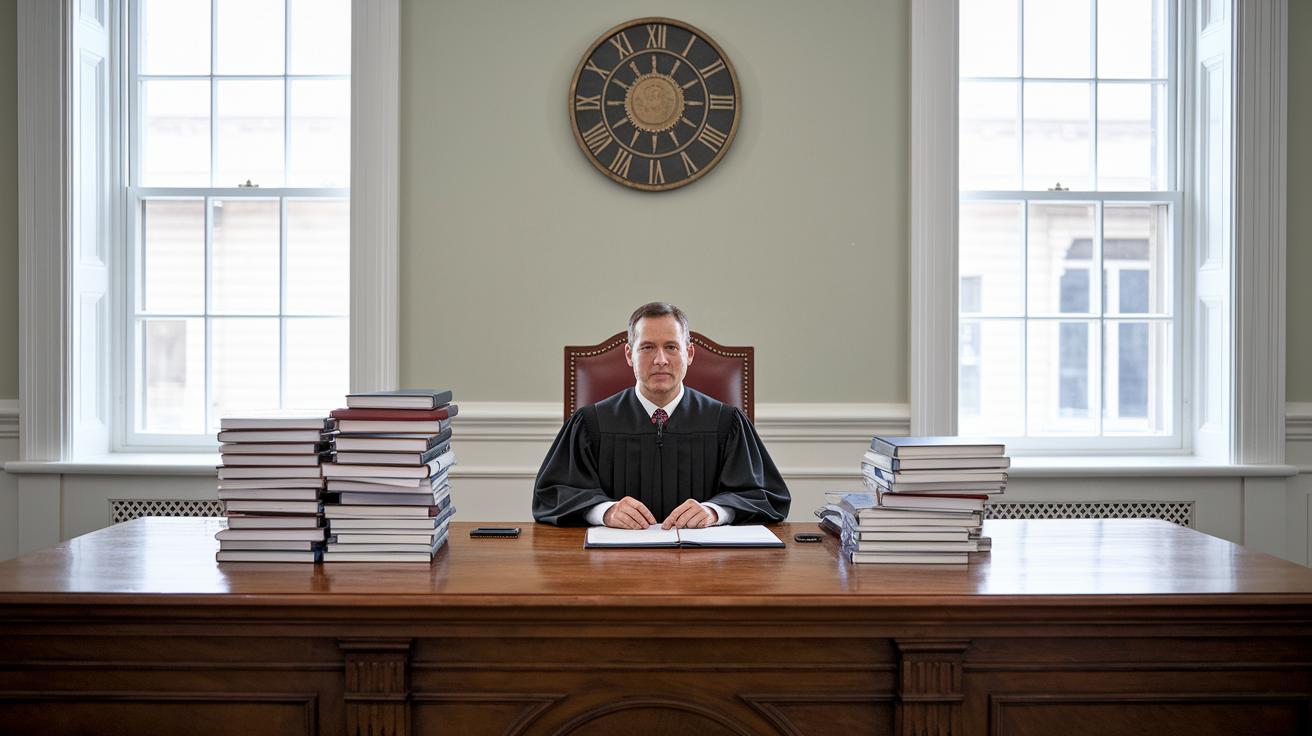
Have you ever wondered if our courts really work in a fair, clear way? In the U.S., national rules and state laws each have their own role. Picture it like two sets of instructions, sometimes they work together and sometimes they do their own thing, all under the watchful eyes of judges who act like fair referees. This blog explores how federal courts work hard to build a legal process that feels just and open, no matter how different state rules might be.
us legal system: Transparent Courts & Processes
The U.S. legal system runs on two levels. There’s the national government, shaped by the Constitution, and then there are 50 state governments, each with their own laws and ways of doing things. It's kind of like having two side-by-side paths that sometimes cross but mostly follow different rules. This means states can make and enforce their own laws, but they still have to work within the bigger setup dictated by the national government. For example, a state might set up its own traffic rules; however, if these rules clash with federal ones, there’s a clear process to figure out which law wins.
When state laws and federal laws go head-to-head, the Supremacy Clause comes into play (a rule that makes the Constitution the top law). Think of it like a referee in a game, no matter how loud or strong the state law might be, the federal law standing on the Constitution always has the upper hand. So even though states enjoy a lot of freedom, they must line up with federal rules to keep the whole system working smoothly.
Federal courts act like referees when it comes to sorting out legal issues. They carefully check both state and federal laws to see if they are in line with the Constitution, ensuring that every decision is fair and clear. Picture a judge piecing together a challenging puzzle, where each decision helps build a strong, unified framework for American law.
Constitutional Foundations and Jurisdiction in the U.S. Legal System
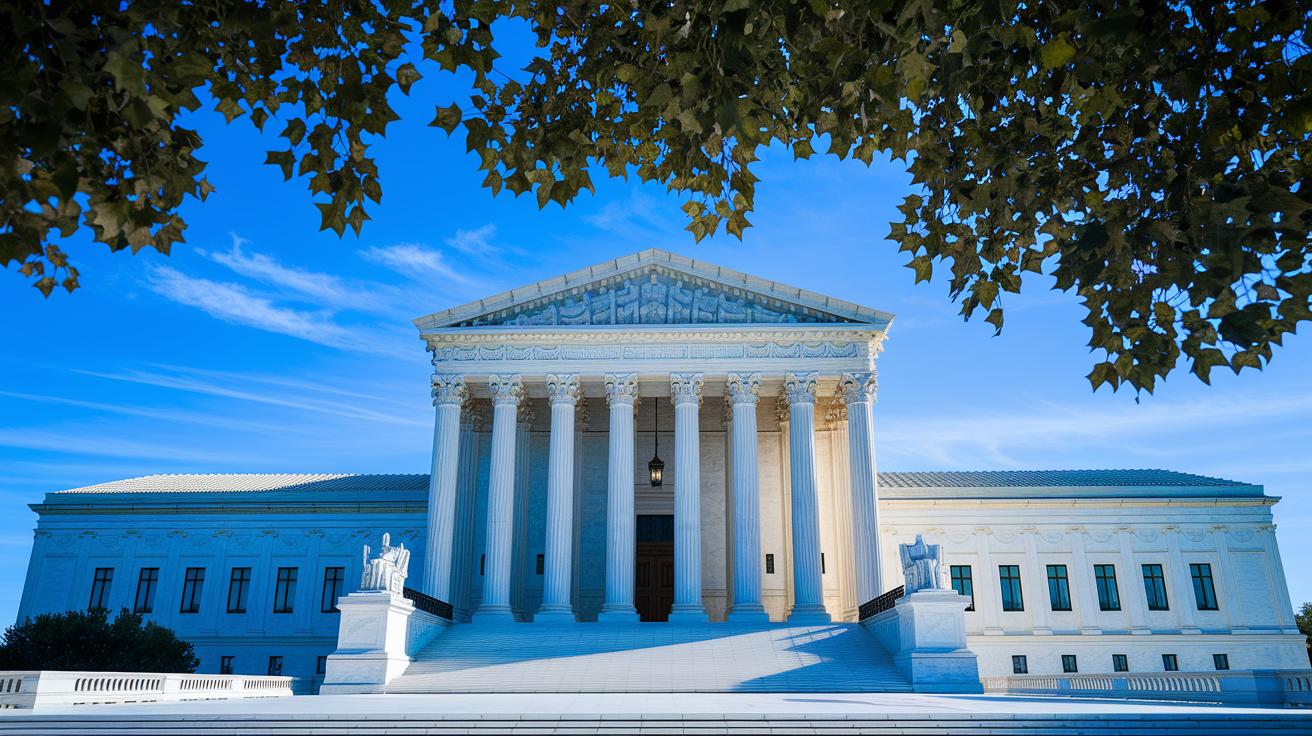
The U.S. Constitution is the starting point for our government. It sets up how both national and state authorities work and protects our basic rights. Think of it as a blueprint that tells us who makes decisions and what freedoms everyone should have. Article III, for example, gives federal courts the clear job of checking laws and government actions to make sure they stick to the Constitution. It’s a bit like a school principal making sure new school rules don’t ignore students’ rights. This careful review keeps power in balance and makes sure no one is overstepped.
Jurisdiction, on the other hand, refers to how far a court’s power can go. First, it means a court's official ability to hear and decide cases, whether they deal with small, local issues or big, important legal problems. Second, it covers the wider area in which government rules apply. Picture jurisdiction as a set of keys, one key fits a specific door (a particular case), and the whole keyring shows the overall control the government has in various areas. This way of looking at things helps us see how the U.S. legal system manages individual cases while keeping an eye on broader oversight to protect fairness and our rights.
Federal and State Court Structure in the U.S. Legal System
In the U.S. legal system, federal courts work in a layered structure to deliver justice at every level. Under Article III, there are three main tiers. First, 94 District Courts act as trial courts where criminal and civil cases start. Next, 13 Courts of Appeals review decisions from these trial courts. Finally, the Supreme Court, made up of one Chief Justice and eight Associate Justices, serves as the final interpreter of the Constitution.
There are also special federal courts that handle specific topics like international trade, claims against the federal government, bankruptcy, tax disputes, and military issues. Think of these courts like parts of a well-tuned machine; every piece matters to ensure fair legal outcomes across the nation.
State courts, based on individual state constitutions, offer justice too. Their systems often resemble the federal setup while also meeting local needs. Most states have trial courts for initial disputes, intermediate appellate courts to review those decisions, and a state supreme court to give the final word on state law matters.
Even though each state may have unique rules and procedures, state courts handle issues from family law and probate to criminal and civil cases. They work alongside federal rules, especially when constitutional matters or conflicts with federal laws come up. Picture state courts as gears in a clock, each one turns in sync with federal courts to keep justice running smoothly.
| Court Level | Number | Primary Function |
|---|---|---|
| District Courts | 94 | Trial-level civil and criminal cases |
| Courts of Appeals | 13 circuits | First level of appeal |
| Supreme Court | 1 | Final appellate jurisdiction |
| Specialized Courts | Varies | Subject-specific adjudication |
Legislative Branch and the Lawmaking Process in the U.S. System
Congress is at the heart of making laws in the United States. It is made up of two houses: the House of Representatives and the Senate. They work on different types of proposals like bills (ideas for new laws), joint resolutions (agreements needing both houses), concurrent resolutions (agreements used for routine matters), and simple resolutions (which express opinions rather than creating law). Each proposal goes through a detailed journey that starts in committees and ultimately influences the lives of millions.
First, a legislator introduces a bill. This is when the bill officially begins its journey. Next, it gets its first reading and is sent to the right committee, one of 19 in the House or 16 in the Senate. These committees take a close look at the bill, often breaking it down piece by piece to explain its goals.
Then, the bill moves to the floor of its respective chamber for debate. Here, members have the chance to propose changes and discuss how the bill should work. After the debate, both the House and the Senate vote on the bill. If the President vetoes it, members can override that decision with a two-thirds vote in each chamber.
If everything goes well, the bill is sent to the President, who can either sign it into law or let it lapse by not taking any action within 10 days, which may result in a pocket veto. Once a bill officially becomes law, it is published as a slip law with a unique public law number and later organized in the U.S. Code. The current structure groups laws into 51 titles with five appendices and gets updated every six years with supplements that track legislative changes.
Adversarial Litigation and Common Law Principles in the U.S. Legal System
Stare Decisis and Judicial Precedent
In U.S. law, past cases help shape new decisions. Judges follow a rule called stare decisis (meaning past judgments should guide current rulings) to keep things consistent. When higher courts have set a clear rule, lower courts stick to it so the law stays predictable. Think of it like following a proven recipe, a solid guide that makes future cases more stable.
Adversarial Process and Case Thresholds
The system also depends on a real dispute between two sides. Courts only deal with genuine conflicts, not what might happen in theory. They focus strictly on the issues that the parties bring up and avoid bigger constitutional questions when simpler, clear legal rules can decide the case. Imagine a courtroom where two teams present their arguments with set rules, just like a fair game. Without a true, live conflict, a court won’t step in, following the requirements of the Constitution (Article III).
Roles and Responsibilities of Legal Professionals in the U.S. Legal System

Lawyers are like trusted guides on your journey through the law. They investigate the facts and then help you understand your choices in clear, everyday language. Whether they’re counseling you, negotiating on your behalf, or fighting for your rights in court, they stand by your side, much like a seasoned guide helping you navigate unfamiliar terrain. If you're curious about the difference between an attorney and a lawyer, check out this resource: attorney vs lawyer.
Judges play a central role in keeping courtrooms fair and orderly. Whether they’re appointed in federal courts or elected in many state courts, they interpret the law, decide which evidence matters, and guide the jury. Think of a judge as the steady hand that ensures every rule is followed and every decision is set on firm ground. Their judgments often shape how similar cases are treated down the line.
Juries bring the voice of the community into the courtroom. Made up of everyday local citizens, juries look closely at the evidence and apply the law as explained by the judge to reach a verdict. Imagine a jury as a bridge connecting the legal system to the everyday wisdom of the people, it helps balance technical legal standards with common sense.
Administrative Law and Executive Powers in the U.S. Legal System
Administrative law is like the blueprint for setting up and tweaking rules that touch almost every part of our lives. Agencies put these rules together by giving everyone a chance to share their thoughts during a public "notice-and-comment" period that lasts at least 30 days. This step (the public input phase) is much like handing out a draft of a classroom rule to see what everyone thinks. After that, administrative law judges hold hearings to sort out any disagreements that come up. It’s a process built to keep rule-making fair and open, making sure you know how decisions are made.
The executive branch, led by the President, has its own way of steering policy. Using executive orders and proclamations, the President can direct how laws are run. These actions are officially recorded in the Federal Register with a unique number for each, ensuring they’re easy to track and understand. Plus, many online resources let you check out federal laws, their histories, and the rules themselves, so you can see step by step how policies evolve over time.
Final Words
In the action of exploring the us legal system, we saw how its dual federal-state structure and constitutional roots shape law. We broke down how courts, legislatures, and legal professionals work together, and examined how administrative rules fit into the mix.
Each part builds a clear picture that helps you grasp everyday legal trends and decisions. Enjoy applying these insights as you grow more confident and capable in your legal practice.
FAQ
Is the U.S. legal system common or civil?
The U.S. legal system relies on common law principles rather than a civil law approach. It emphasizes precedents and judicial interpretation over a codified system to guide legal decisions.
What is the U.S. legal system based on?
The U.S. legal system is founded on the Constitution, which defines government powers, and on the common law tradition that builds legal rules through judicial decisions and established practices.
Where can I find a U.S. legal system PDF introduction?
PDF resources introducing the U.S. legal system break down its dual federal-state structure and common law roots. They offer accessible overviews and serve as handy guides for understanding the legal framework.
What are some examples of legal systems?
The U.S. legal system serves as a clear example of a dual framework. It incorporates federal and state laws under a common law model, which contrasts with more codified civil law systems seen in other countries.
What are the four types of legal systems?
Four major legal systems include common law, civil law, religious law, and customary law. Each type uses different methods—like judicial precedent or codified rules—to structure and apply legal principles.
What are the four principles of the American legal system?
The four principles often cited include constitutional supremacy, separation of powers, federalism, and judicial review. These foundations maintain balanced government and protect individual rights across all legal proceedings.
What is the hierarchy of the U.S. legal system?
The hierarchy starts with the Constitution at the top, followed by federal statutes, then state laws, and finally, legal precedents from higher courts. This layered structure ensures consistent and fair judicial outcomes.
Does the U.S. have a good legal system?
The U.S. legal system is considered strong due to its constitutional safeguards, balanced federal-state structure, and a robust framework for resolving disputes and protecting individual rights.