



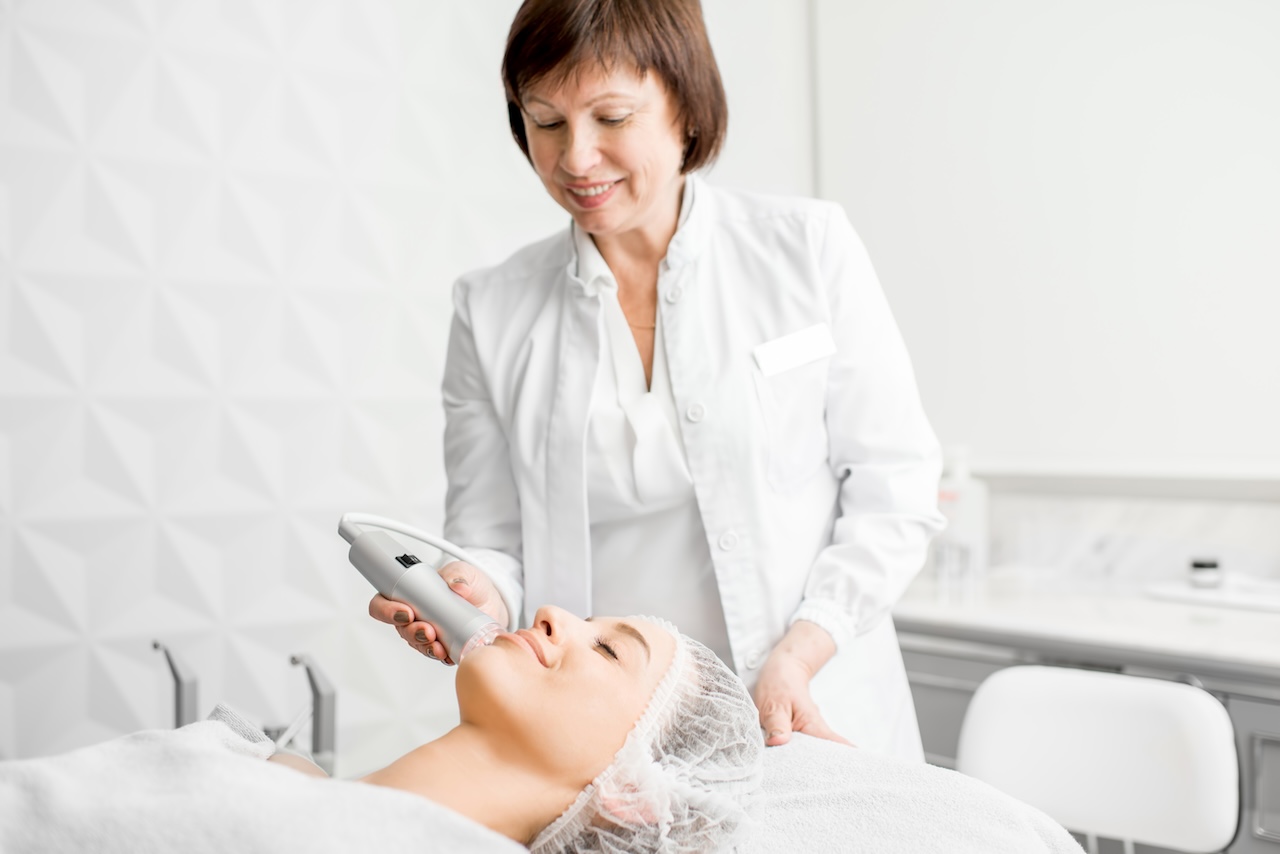
If you’re looking to enhance your skin’s appearance, skin resurfacing could be the solution. Treatments like laser skin resurfacing, chemical peels, and dermabrasion target common issues—such as fine lines, wrinkles, acne scars, sun damage, and uneven skin tone—giving you smoother, more radiant skin. Understanding what skin resurfacing can address—and how it does so—can help you decide if it’s the right fit for your needs.
The Power of Skin Resurfacing
Skin resurfacing works by removing damaged outer layers, prompting the growth of new, healthier skin. This process also stimulates collagen production, improving elasticity and minimizing signs of aging. Its versatility makes it a trusted option for a range of concerns, including wrinkles, scarring, pigmentation, and pore size.
Wrinkles and Fine Lines
Aging, sun exposure, and lifestyle can lead to lines around the eyes, mouth, and forehead. Skin resurfacing treatments soften these by targeting deeper skin layers and boosting collagen.
- Laser Skin Resurfacing: Ablative lasers like CO2 and erbium remove damaged skin while heating deeper layers, smoothing out lines.
- Chemical Peels: Medium or deep peels exfoliate several skin layers, reducing wrinkles and promoting cell turnover.
- Dermabrasion: This technique physically removes surface skin, refining texture and diminishing the look of deep lines.
All of these can help you achieve smoother, more youthful skin.
Acne Scars
Scars from acne or chickenpox can disrupt skin texture. Skin resurfacing helps reduce their appearance by promoting evenness and new collagen.
- Ablative Laser Resurfacing: Removes scarred tissue layer by layer and stimulates skin regeneration.
- Non-Ablative Lasers: Target deeper tissue to boost collagen with minimal downtime.
- Dermabrasion: Smooths surface scarring for a more even look.
A dermatologist can recommend the best resurfacing approach for your type of scars.
Uneven Skin Tone
Issues like hyperpigmentation, melasma, or blotchiness can be caused by sun, hormones, or inflammation. Resurfacing techniques can even out the complexion:
- Laser Skin Resurfacing: Fractional and non-ablative lasers target and break down discoloration.
- Chemical Peels: Glycolic or trichloroacetic acid peels replace pigmented skin with fresh layers.
- Dermabrasion: Removes surface irregularities and brightens tone.
Consistent care post-treatment can result in a clearer, more vibrant complexion.
Sun Damage
Years in the sun cause everything from sunspots to roughness. Skin resurfacing is effective in reversing these changes:
- Lasers: Treat pigmentation and stimulate repair for damaged skin.
- Chemical Peels: Medium or deep peels help with sunspots and rough patches.
- Dermabrasion: Removes weathered skin for a healthier look underneath.
These procedures improve texture and clarity after UV exposure.
Enlarged Pores and Roughness
If your skin feels rough or pores look large, resurfacing can refine its surface:
- Non-Ablative Lasers: Tighten pores and smooth texture.
- Superficial Chemical Peels: Address minor roughness with little downtime.
- Dermabrasion: Evens out rough patches for a polished finish.
Regular treatments help maintain refined, healthy-looking skin.
Is Skin Resurfacing Right for You?
Skin resurfacing can correct imperfections and boost overall skin health, whether you choose advanced laser skin resurfacing or a simple chemical peel. However, those with certain medical conditions or specific skin types should consult a dermatologist first to find the best option.
If you’re troubled by wrinkles, scars, uneven tone, or texture, resurfacing might provide the transformation you’re seeking. A consultation with a professional will steer you toward the right solution for your goals.
Final Thoughts
Skin resurfacing offers effective solutions for stubborn concerns like wrinkles, acne scars, sun damage, and more. With modern technology, treatments like laser skin resurfacing, chemical peels, and dermabrasion deliver smoother, brighter, and healthier skin. Understanding what these options can address is the first step toward regaining your skin confidence.