



Imagine if one careless word could quickly tarnish your good name. In England and Wales, defamation law sets out simple guidelines to hold people responsible when their words cause real harm. This means the law requires you to show exactly who was mentioned, that the comment was shared publicly, and that it caused damage.
In this post, I'll walk you through these easy steps so you feel informed and ready. Read on to learn how the process helps safeguard both personal and business reputations, keeping fairness in check.
Defamation UK Law: Clarity and Confidence
In England and Wales, defamation means that a statement has hurt someone's reputation in the eyes of reasonable people. Under the Defamation Act 2013, there are three clear points to make a valid claim. First, the statement must clearly identify the person making the claim. For example, imagine a newspaper article that names a local business owner without checking the facts. It might wrongly link a popular baker to financial mismanagement, and that mistake can seriously harm their reputation.
Second, the harmful remark must be shared with someone else, someone other than the person the claim is about. Simply put, it has to be communicated to a third party through print, broadcast, or online channels. Think of a local radio show that endlessly repeats an unverified claim about a musician's private life. When news like that spreads among listeners, it can really damage a person's standing.
Third, claimants need to show that the statement has caused or is likely to cause serious harm to their reputation. For companies, this goes one step further: there must be evidence of real or expected financial loss. This requirement makes sure that defamation claims are grounded in real, tangible impact.
The law in the UK tries hard to balance protecting a person or company's reputation with the rights of free speech. In this framework, the claimant has the responsibility to prove that the statement hits all these strict points. Every detail must be carefully checked before taking the matter to court. This method gives both clarity and confidence to how defamation claims are handled under British law.
Elements of a Successful Defamation Claim under UK Law

First, the statement must clearly identify the person being targeted. Imagine reading a post that names someone fully and includes specific details without any mix-up. It leaves no doubt about who is being spoken about. For example, "Before becoming a public figure, John Doe was once mistaken for another individual in a viral online rumor."
Next, the harmful statement must be shared with at least one other person. Think of a tweet seen by hundreds; its widespread reach makes the damage to reputation even more serious. As an example, "A defamatory tweet reaching thousands can quickly magnify the harm caused."
Lastly, there must be proof of significant harm to the person’s reputation. In libel (written defamation) cases, the harm is usually assumed. But for slander (spoken defamation), you need to show special damages like a clear financial loss or noticeable emotional distress. Consider this: "A misreported claim in a televised segment might not only tarnish a reputation but also lead to measurable financial setbacks."
Distinguishing Libel and Slander in UK Defamation Law
Libel means a harmful statement that is fixed in writing or made in a permanent way, such as in newspapers, magazines, TV broadcasts, or online. Because these words stick around, courts usually assume that someone's reputation has been hurt (this is called presumed general damages) without needing extra proof of financial loss. Think of it like a widely shared online article that wrongly suggests unethical business practices, the harm to reputation is clear on its face.
Slander, on the other hand, deals with harmful spoken words that vanish quickly. Since these remarks are temporary, you must show actual loss (known as special damages) for a defamation claim to work, unless the statement accuses someone of a crime, hints at professional incompetence, implies a serious disease, or questions someone’s moral character. Imagine a false comment made live on TV that leads to an immediate financial setback. In that case, you have to prove what you lost to win the case.
This balance, protecting a person’s reputation while also preserving free speech, is supported by Article 10(2) of the European Convention on Human Rights.
- Accusation of criminal behavior
- Claim of professional incompetence
- Statement about a serious disease
- Allegation of moral failing
Statutory Defenses under the Defamation Act 2013
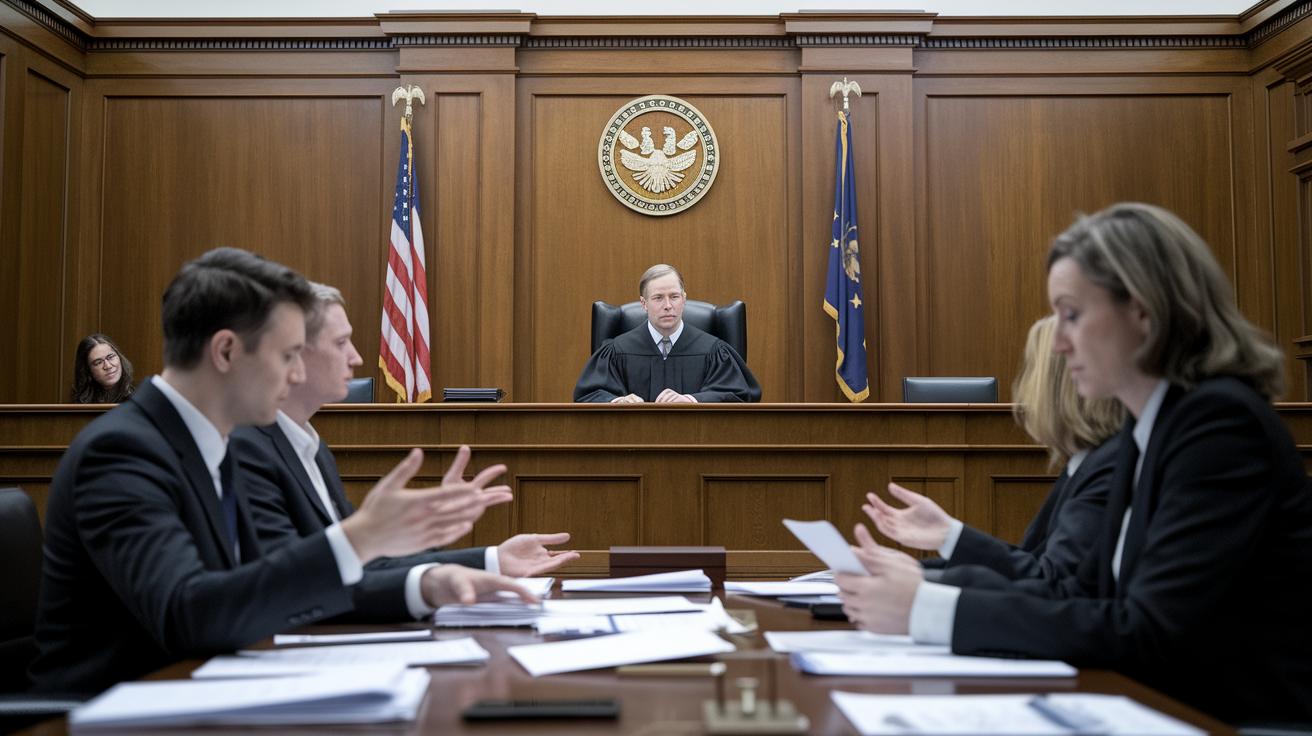
Under the Defamation Act 2013, if you’re facing allegations of harmful speech, there are several defenses you can use to protect yourself. One key defense is Truth. This means you need to show that the main part of the claim is true. For example, if a newspaper publishes wrong details about a public figure, proving that the central facts are accurate can make your case. I once read about a case where clear evidence of factual accuracy changed everything.
Next is the Honest Opinion defense in Section 3. This protects opinions when they’re based on real material and presented in the right context. Think of it like a TV review that sharply criticizes a company’s practice, if the opinion is built on solid facts, it’s safe. Ever notice how a well-supported review can really stand out?
Then there’s the Public Interest defense. This applies when a statement is made on a topic that matters to the community and is shared responsibly. It’s especially useful for issues that touch on broader societal concerns.
Finally, there is Privilege. This covers statements made in special settings, like in court or during parliamentary debates, where they’re given full or partial protective support.
| Defense | Main Points |
|---|---|
| Truth | Show the main claim is accurate |
| Honest Opinion | Based on real facts and given in the right light |
| Public Interest | Addressing important topics with care |
| Privilege | Protected in official or formal settings |
Slander-Specific Defenses and Remedy Requirements
UK courts say that in slander (spoken defamation) cases, you usually have to show real harm, often called special damages, unless the statement falls under certain exceptions. In these cases, the court accepts that the harm is so clear it doesn’t need extra proof.
One notable case showed that a public accusation of a crime can be enough to get a remedy, even without pinpointing the exact financial loss. Lately, judges have stressed that claimants need to connect the harmful words to real effects beyond just money. They look closely at things like the speaker’s intent and how the statement hurt a person’s reputation. Plus, as the media and public discussions change, courts are adjusting how they measure harm.
Key exceptions where showing special damages isn’t required include:
| Exception |
|---|
| Imputation of a criminal offense |
| Imputation of professional incompetence |
| Assertion of a serious disease |
| Allegation of unchastity |
Attorneys working on slander cases should review the latest case examples that show how these defenses work while staying aware of the detailed steps and nuances in the process. Imagine a courtroom scene where one unverified rumor shifts the focus from just the numbers to the overall impact on a person’s reputation.
Online Defamation and the Role of Digital Platforms in UK Law
UK law knows that the online world can be tricky when it comes to false or misleading content. One important law, the Defamation Act 2013, gives a helpful shield to website operators. This means if a site hosts content it didn’t create, it generally isn’t held responsible.
Imagine you come across a website filled with wild, unverified claims about your business. If the site quickly takes down the post once it’s flagged, it can use this legal protection. It’s kind of like having an automatic safety net.
Online platforms can be a fast track for unverified statements to spread. This rapid sharing can hurt someone’s reputation long before a mistake is fixed. That’s why courts sometimes step in and issue orders to stop harmful posts when it’s clear that ongoing publication is causing serious harm.
Nowadays, social media disputes force regulators to weigh false online claims against free speech rights. Internet intermediaries have a big role here. They need to act quickly, following notice-and-takedown procedures, to remove problematic content. This helps keep the online space open while also protecting individuals.
These new challenges in managing digital reputations show us the need for clear policies and swift responses. By sticking to the right steps, hosting services can limit their liability and help ensure a fair digital environment.
Court Procedures, Injunctions, and Time Limits for Defamation Claims
Timing is everything in a defamation case. Under the Defamation Act 2013, you must start your claim within one year from when the statement was published. Missing this deadline is a lot like forgetting to turn in your homework on time, it usually means your case will be thrown out. For instance, if a local newspaper runs a story on March 1, you need to act before the next February comes around.
The process follows standard civil procedure. First, collect all your evidence and file your claim with the court. Keep in mind you will need to pay court fees, similar to an entry fee for a contest. And sometimes, you may need an interim injunction. This is a temporary order that stops any further damage until your case is settled. However, if the defendant has a strong argument already, the court might choose not to grant this stopgap measure. If you prevail in your case, a final injunction can be issued that permanently stops any more harmful statements.
Key steps include:
- Filing your claim within one year
- Gathering all the necessary evidence
- Considering an interim injunction to quickly halt further damage
These steps help protect your reputation and ensure you do not miss any critical deadlines during the legal process.
Calculating Damages and Remedies in UK Defamation Actions

UK defamation law provides various ways to figure out how much harm untrue statements have done. In libel cases (written defamation), the law usually assumes that harm is done right away because the damaging words are fixed on paper. Imagine reading a false newspaper article that makes you doubt your own professional skills. The law says that this hurt has happened, so it lets you claim general damages without needing extra proof.
If the defendant acts in a way that makes the harm even worse, the court may award aggravated damages. This means that when a harmful statement is repeated or delivered in a very damaging way, you could receive extra compensation. In very rare cases, when the wrongful act is extremely harmful, a judge may also grant exemplary or punitive damages (damages meant to punish and deter bad behavior).
For spoken defamation, known as slander, it isn’t enough to just argue that harm happened. In these cases, you must show specific losses called special damages. Sometimes, however, the situation can be improved by getting an apology or a retraction to help repair your reputation without a lengthy court process.
- General damages
- Aggravated damages
- Exemplary damages
- Special damages (for slander)
- An apology or retraction
Legal experts recommend keeping clear records and proof, like screenshots or statements from witnesses, to build a strong case for compensation.
Landmark UK Defamation Cases and Precedents
UK defamation law has grown and changed thanks to a few key court cases that help us understand what harmful speech really means. Take Hulton v Jones (1910), for example. In that case, judges looked at everyday language to decide if a statement could harm someone's reputation, almost like decoding a regular conversation to discover hidden meanings. This decision set the stage for reading words in their normal, real-life context. For more details, check out Case Analysis of Defamation Lawsuit Headline Breakthroughs.
Next, in Thornton v Telegraph (2010), the court made it clear what "serious harm" means for someone's reputation. They showed that a simple insult doesn't cut it; there must be clear evidence that someone's social standing took a real hit.
Then there’s the McLibel case (1997), which turned out to be one of the longest legal battles ever. It shone a light on just how tough it can be for an individual to fight against big companies in mass tort claims, raising major issues about access to justice. Meanwhile, in Andrew Sachs v. BBC (2008), the court explored the limits of journalistic privilege, stressing that even strong legal defenses need a precise definition.
All these cases remind us that careful legal thinking and attention to detail can lead to fair outcomes. Imagine one small misinterpreted comment sparking a landmark ruling that shifts how we view legal debates. Together, these decisions help balance the need to protect a person’s reputation with the right to free speech.
These important rulings serve as a valuable guide for lawyers, scholars, and anyone curious about defamation today. They offer a clear blueprint for assessing defamation claims in a society that is constantly evolving.
Recent Reforms and the Future of Defamation UK Law

Recent legislative changes are reshaping defamation law in the UK. The Economic Crime and Corporate Transparency Act 2023 brings in a narrow anti-SLAPP defense that mainly helps publications covering economic crimes. In plain terms, anti-SLAPP is meant to stop lawsuits designed to silence critics, so publishers acting responsibly are protected even if their reports turn out to harm someone's reputation.
Lawmakers are also chatting about broader measures. They’re considering a Digital Defamation Bill to tackle defamation in our fast-moving online world. Imagine a misleading post that spreads like wildfire on social media, this bill could soon offer clearer guidelines on digital libel and stronger help for anyone hurt by false online statements.
Meanwhile, the Law Commission is reviewing the current one-year limit for bringing defamation claims. This review might allow more time for claimants to collect evidence and build their case, striking a better balance between protecting reputations and ensuring fair treatment of free speech in the digital era.
Practical Steps for Claimants and Defendants in UK Defamation Disputes
First, send a letter to the other party explaining your issue and asking for a response within 14 days. For instance, you might say, "Before we move to court, I’m writing to share my concerns along with the supporting evidence. Please reply within 14 days." This simple step can often bring about an apology, a correction, or even a retraction without the need for a full legal battle.
Next, gather all the proof you can, such as screenshots, witness statements, or copies of the published material. Solid evidence makes your case stronger, whether you’re suing over false remarks or defending yourself against such allegations.
Then, consider alternative ways to resolve the dispute without going through a lengthy trial. Many parties use mediation (a guided discussion to help both sides reach an agreement) or settle through negotiations. You might say, "Mediation could help us resolve this quickly and save us both time and money." This method is common in smear lawsuits, as both sides often prefer a mutually agreed resolution over a drawn-out court case.
Finally, check out funding options like legal expenses insurance or no-win no-fee agreements (conditional fee agreements). These options provide professional support and help keep the costs manageable, ensuring that pursuing or defending a defamation claim doesn’t become too expensive.
Final Words
In the action, we broke down the essentials of defamation uk law, from understanding what makes a statement defamatory under British rules to outlining the key differences between libel and slander. We explored statutory defenses, practical steps for resolving disputes, and even how digital platforms fit into the picture. This discussion helps build a clearer picture of the legal framework and empowers you to apply these insights with confidence. Keep these points in mind and move forward knowing your legal understanding is stronger than ever.
FAQ
What is the average payout for defamation of character in the UK?
The average payout for defamation cases in the UK varies based on harm and evidence. Award amounts can range widely, often reflecting the case’s specifics and the extent of damage incurred.
Is it worth suing for defamation in the UK?
Suing for defamation in the UK depends on your situation. The potential benefits, such as restoring reputation, must outweigh legal costs and possible delays, so careful consideration is essential.
What does the Defamation Act 2013 outline?
The Defamation Act 2013 outlines clear criteria for claims by requiring identification, publication, and a demonstration of serious harm to reputation. It also provides defenses like truth and honest opinion.
What role did the Defamation Act 1996 play?
The Defamation Act 1996 served as an earlier framework for handling libel and slander, which later influenced updates in defamation laws, paving the way for changes seen in later acts.
What is the burden of proof in UK defamation cases?
The burden of proof in UK defamation cases rests with the claimant, who must establish that the statement identifies them, was published to a third party, and caused or is likely to cause serious harm to their reputation.
What was the Defamation Act 1952 about?
The Defamation Act 1952 provided earlier rules for defamation in the UK. Its guidelines laid the groundwork for later reforms and have been refined by more recent legislation like the Defamation Act 2013.
What constitutes defamation in the UK?
In the UK, defamation occurs when a statement lowers a person’s reputation among reasonable members of society. It must meet the criteria of identification, publication, and cause, or be likely to cause, serious harm.
How is defamation in the UK different from the US?
Defamation in the UK requires a higher standard of proof regarding harm and places more responsibility on the claimant, whereas US law often gives broader protection to free speech, leading to different thresholds for claims.
Can you sue someone in the UK for slander?
You can sue for slander in the UK by proving that the spoken statement caused measurable damage. However, if the statement involves claims of criminal behavior, incompetence, serious disease, or unchastity, special evidence is usually needed.