



Are our courts ready when key players are missing? Think of it like a sports team without its best players; the remaining team members have to work much harder.
Right now, a shortage of federal judges (officials who help run our legal system) is putting a lot of pressure on our courts. This gap isn’t just a setback, it sparks new ideas for making the system work better.
Let’s look at how this shortage is stirring up conversations about smarter court practices and what simple steps might help restore balance to our legal process.
Scope and Scale of the Federal Judge Shortage
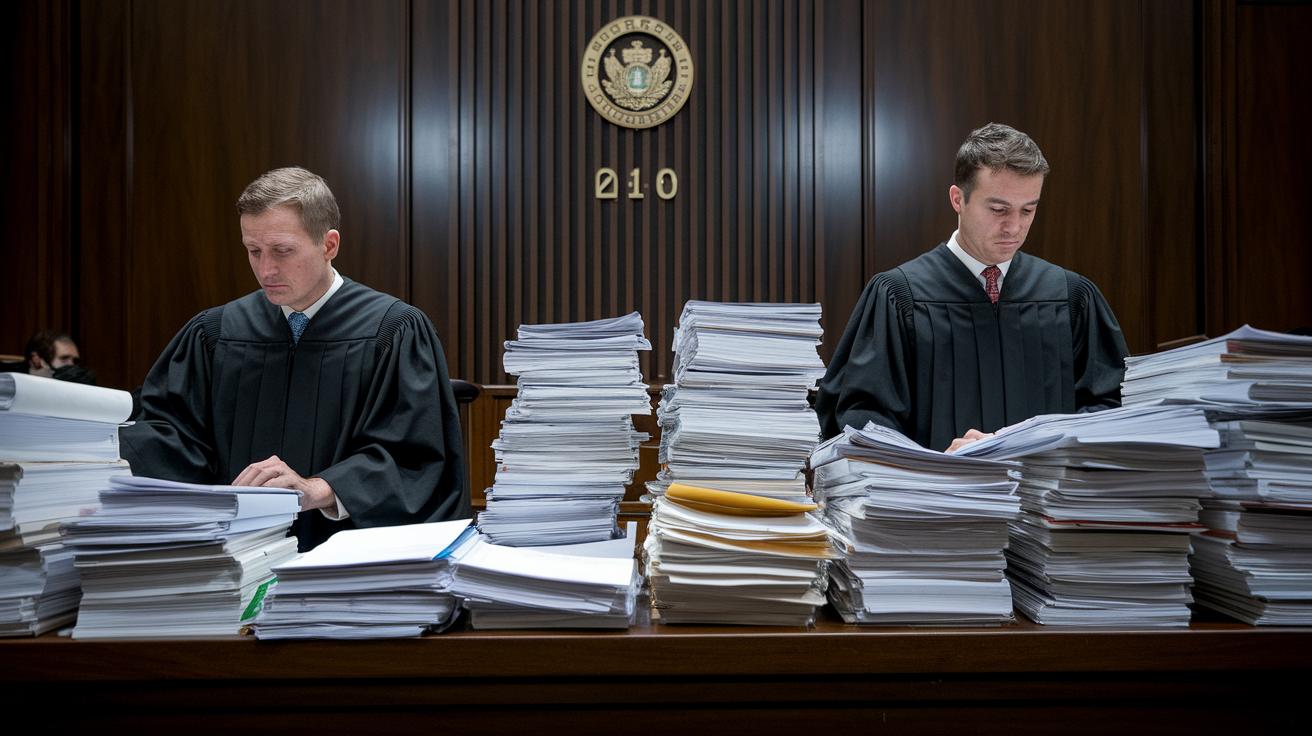
Right now, there's a clear gap between the number of judges available and the heavy load of cases needing attention. Many lifetime judge seats have stayed empty for too long, leaving courts to handle more cases with fewer hands on deck. Imagine a sports team missing key players, the few who are on the field have to work overtime, which can slow everything down.
In 2022, the Judicial Conference reported that 30 courts each handled more than 500 weighted filings (a measure of a case’s workload). This shows just how complex and backlogged these courts have become. Plus, no major law to bolster the capacity of federal courts has been passed since 1990. Then, on January 2, 2025, the President vetoed a bill that would have added 63 new judges over the next decade, underscoring the struggle to grow the bench.
This ongoing pressure, with judges juggling too much work and lawmakers staying quiet, makes the upcoming congressional hearing very important. Tenth Circuit Judge Tim Tymkovich will testify at 10 a.m. ET before the House Judiciary’s Courts Subcommittee. His remarks are expected to link these troubling numbers with the urgent need for reform and to explore ideas that might ease the strain on our federal courts.
Causes Behind the Federal Judge Shortage
The Loper Bright decision really changed the way courts work. Before, agencies were given a lot of leeway when making decisions (a practice called deference). But now, thanks to independent review, federal judges are taking on more cases that challenge agency actions. It’s a bit like turning a light drizzle into a heavy downpour overnight.
Political wrangling also plays a big part. Nomination referrals end up bogged down by partisan disputes, and Senate confirmations take much longer than they should. This means that many seats stay empty, leaving the courts with fewer judges to manage the growing pile of cases.
Decades without capacity-focused reforms, no major changes since 1990, have only made matters worse. Without updated laws to streamline the appointment process, the system keeps running on outdated practices. Imagine a sports team that never gets substitutes as injuries pile up, even while the game heats up. While increased oversight from landmark decisions has strengthened judicial review, it has also led to a surge in filings. Courts now face a tricky mix of more cases, slow confirmations, and outdated policies, all adding strain to an already burdened system.
Impact of the Federal Judge Shortage on Court Efficiency and Case Outcomes
Federal courts are really feeling the strain. Backlogged cases pile up at both the pretrial and trial stages, and judges are stretched thin. With fewer judges available, each one ends up with too many cases, causing some decisions to take far longer than they should. It’s like having too few hands to manage a growing workload.
Here are some of the key effects of this shortage:
- Pretrial and trial delays that drag on.
- Judges juggling heavy caseloads, which can lead to burnout.
- A higher risk of cases being dismissed or decided by default (meaning a decision is made without a full trial).
- Pressure that spills over into state court dockets.
These challenges slow down the legal process and can undermine the quality of case management. With judges facing mounting pressure, they have less time to give each case the attention it deserves. As delays grow and outcomes feel unpredictable, it’s no wonder people start to wonder if justice is being served.
Legislative and Policy Responses to the Federal Judge Shortage

On January 2, 2025, the President vetoed a Senate bill that would have added 63 new judges in the next ten years. This decision reveals serious concerns about our shortage of judges and the mounting backlog of appointments. The bill's rejection has set off debates in Congress about how to improve the confirmation process and grow the bench while keeping our courts trustworthy.
Some of the ideas being discussed include:
- Making judicial nominations and hearings more open.
- Strengthening rules to keep judges accountable.
- Using term limits to invite new legal ideas.
- Updating ethics rules to cover issues like stocks, recusals (choosing not to participate in a case), and financial disclosures.
- Giving the media and public better access to court information, in line with key strategic policy changes Strategic policy reforms.
Judge Tymkovich will soon testify before the House Judiciary’s Courts Subcommittee. His testimony is expected to point out the need for better security measures along with any effort to bring in more judges. He will discuss how tightened oversight in the selection process is essential to ensure new judges not only increase the court’s capacity but also uphold strong protections for the judicial branch.
These proposals play a key role in ongoing congressional debates about court capacity. Lawmakers are trying to balance smoother court operations with high standards in the confirmation process. As discussions continue across committees, these legislative efforts are seen as important steps toward modernizing judicial appointments and solving long-standing challenges in our federal courts.
Solutions and Future Outlook for Mitigating the Federal Judge Shortage
Legal experts say we need a major update that goes far beyond simply adding more judges. They suggest boosting our recruitment by building richer candidate pipelines, simplifying our screening process, and offering tailored training that shapes solid legal careers. It’s a bit like refreshing a company's hiring method to find the perfect match for each role. In this vision, ideas for rethinking lifetime appointments work alongside modern frameworks for legal postings. They recommend using data to guide decisions, keeping diversity in mind (ensuring a variety of viewpoints), and speeding up nomination steps. In short, these plans aim to revitalize the bench and help our courts work more fairly and efficiently.
Looking forward, these reforms could reduce backlogs and keep cases moving steadily by creating a continuous and strong pool of judges. When courts are filled with well-chosen and skilled judges, every case gets the attention it deserves. This means fewer delays and outcomes that help restore trust in our legal system. Cooperation among government branches is essential to make these improvements permanent. A blend of quicker, fairer nominations and focused career development is expected to improve judicial performance significantly. For more insights into these systemic changes, check out Decoding regulatory reform developments.
Final Words
In the action, we broke down the federal judge shortage and its ripple effects on court operations and case outcomes. We looked at key statistics, legislative deadlocks, and real policy proposals aimed at easing the backlog.
We also discussed expert recommendations for modernizing judicial appointments and reducing delays in confirmations. It’s encouraging to see practical ideas that may lead to a more balanced and efficient system.
FAQ
How many federal judges are there?
The federal judiciary includes hundreds of judges appointed to district, appellate, and the Supreme Court. Their numbers are defined by statute and can change with new appointments and retirements.
What is the federal judge salary?
The federal judge salary typically depends on the court level, with district judges earning around $215,000 annually, appellate judges around $230,000, and Supreme Court justices receiving higher pay.
What are the current judicial vacancies in the federal judiciary?
The number of judicial vacancies continually changes due to retirements, resignations, or legislative decisions, reflecting a growing shortfall in bench members that contributes to delays in case resolutions.
What is the current status of federal judicial nominations and openings?
Judicial nominations are regularly updated as openings arise, including positions for federal magistrate judges. Current nominations and openings are tracked by government agencies to fill these critical roles.
How long do federal judges serve?
Federal judges serve lifetime appointments under Article III of the Constitution unless they choose to resign, retire, or are removed through the impeachment process.
Does the US have a shortage of federal judges?
The US faces a shortage of federal judges, as increasing workloads, legislative delays, and backlog in confirmations lead to rising caseloads that can impact timely justice.
Why are there no formal qualifications required to be a federal judge?
The Constitution grants the president broad discretion to appoint federal judges without strict formal qualifications, relying instead on personal legal experience and expertise.