


Ever wonder if an indictment means you're already guilty? An indictment simply kick-starts the legal process by showing that there is enough evidence to move a case toward trial. Remember, though, it isn’t a verdict.
A group of everyday citizens, called a grand jury (a panel that reviews evidence), looks at the facts to decide if charges should advance. In this post, we walk you through what an indictment really means, explain the grand jury's role, and break down the whole process step by step.
Indictment meaning in law: Crystal Clear Terms
An indictment is a formal criminal charge set by a grand jury (a panel of everyday citizens who look over the evidence). It tells us that there’s enough evidence to take a case to trial, but it doesn’t mean the accused is guilty. In federal cases, this process follows the Fifth Amendment (which makes sure that evidence is fairly reviewed) before any legal action begins. Some states let prosecutors file charges directly instead of using a grand jury, but the main goal stays the same: building a solid case for trial.
An indictment is key because it acts as a first checkpoint to protect your right to due process. It shows that a court has looked at the facts and thinks there’s enough there, though it isn’t a verdict of guilt. Instead, it simply starts the legal process, setting the stage for procedures like arraignment (where charges are read and explained) and trial, giving the accused a fair chance to defend themselves.
Legal Interpretation and Role of the Grand Jury in Indictments

A grand jury is a group of everyday citizens asked to decide if there’s enough evidence to charge someone with a crime. In Ohio, there are usually 15 members on the panel, but in federal cases, this group might grow to 23. Basically, they carefully look over the prosecutor’s evidence to decide if a case should go to trial. Imagine a group of impartial voices making sure that only solid charges move forward.
Here's what the grand jury does:
| Function | Description |
|---|---|
| Review Evidence | The jury examines the evidence the prosecutor presents. |
| Question Witnesses | They ask questions under oath to clarify facts. |
| Determine Probable Cause | This means deciding if there’s a reasonable basis (a good faith belief) for the charge. |
| Issue a “True Bill” or “No Bill” | A “true bill” means they think the evidence is strong enough; a “no bill” means it isn’t. |
| Guard Against Unfounded Charges | The process helps protect against weak or unjust accusations. |
The proceedings are held in secret, which helps block outside influence and keep the process fair. The prosecutor presents evidence and sometimes even calls witnesses without the accused or their lawyer being there to ask questions at that moment. When the jury hands down a "true bill," it shows they believe the evidence is solid enough to move forward to trial. If they deliver a "no bill," it means the evidence isn’t enough, saving the person from unnecessary legal trouble. In short, this secretive process acts as an important checkpoint, making sure that every step upholds fairness and due process for everyone involved.
Comparison of Federal and State Indictment Procedures
Federal felonies need a grand jury indictment as required by the Fifth Amendment (a part of the US Constitution that protects against self-incrimination). In these cases, up to 23 jurors meet in secret to review the evidence before any formal charges are made. This process is rarely skipped because it helps make sure that serious charges come with solid proof. The federal system uses a few specific filing methods and clear pretrial detention rules based on federal guidelines.
| Aspect | Federal Indictment | State Indictment |
|---|---|---|
| Legal Basis | Fifth Amendment mandate | Varies by state statutes |
| Jury Size | Up to 23 members | Commonly 16–23, state-specific |
| Alternative Filing | Rare; must be grand jury | Often complaint or information |
| Pretrial Detention | Federal guidelines | State bail standards |
State procedures offer more flexibility. In some areas, charges can be brought by complaint or other formal information rather than by a grand jury indictment. This means that rules for holding someone before trial and setting bail are based on state laws instead of federal standards. Understanding these differences is important since they can influence court decisions and the overall legal process.
Timeline and Pretrial Steps Following an Indictment
Once a grand jury sends back an indictment, things move quickly. The defendant is either arrested or given formal charges. At this point, they are notified that they are under legal review, and the court sets an arraignment date. This marks the shift from an investigation to a formal court process, showing that the state is ready to take the case to trial.
At the arraignment, the defendant hears the charges against them and learns what the maximum penalties could be. They are asked to enter a plea, guilty or not guilty, which is their first official response to the accusations. The hearing doesn’t last long, but it lays the groundwork for all the legal steps to follow.
After the arraignment, a bond hearing takes place to set the conditions before the trial. During this review, judges look at things like the risk to the community, whether the defendant might flee, their financial situation, and any ties internationally. These factors decide if the defendant stays in custody or can be released on bail. The results here also help plan the schedule for future pretrial meetings.
Distinguishing Indictment from Information and Criminal Complaint
An indictment happens when a grand jury, a secret group of community peers, reviews the evidence behind closed doors. On the other hand, a criminal complaint or information is filed directly by a prosecutor who has enough proof to believe a crime was committed (this is known as probable cause). Think of an indictment as a group decision, while a criminal complaint is a choice made by one person.
No matter which method sets your case in motion, both eventually lead to arraignment and trial. At arraignment, the defendant hears the charges, setting up the process for the trial ahead.
Sample Indictment Document Breakdown
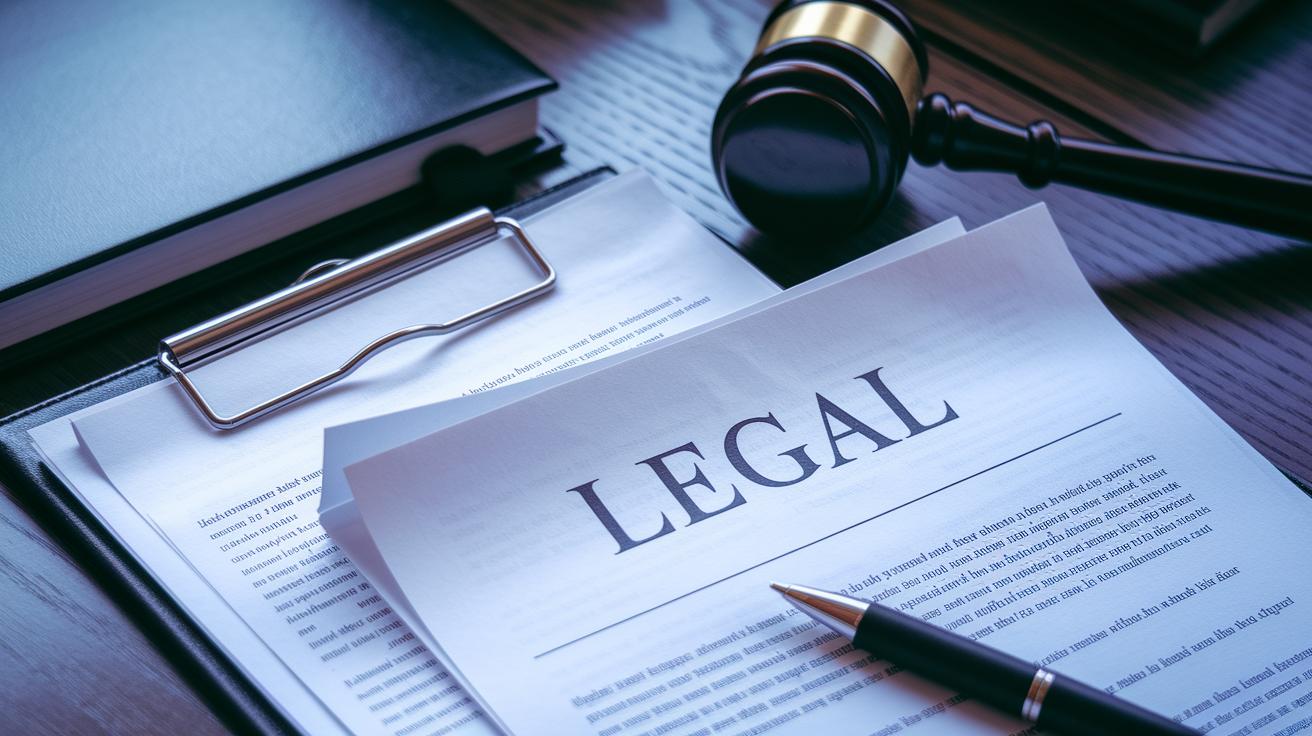
An indictment is built from a few key parts that help you understand what’s going on. It starts with a caption that shows the court’s name and lists the parties involved, setting the stage for the legal action ahead.
Next, you find a grand jury return statement. This just means a group of everyday citizens has reviewed the evidence and confirmed that there’s enough to move forward.
After that, the document lays out the counts. Each count includes specific dates, the law numbers (statutory citations, which point to the exact laws), and a clear description of the alleged criminal behavior, including where and when everything happened.
You'll also see signature lines for both the grand jury foreperson and the prosecutor, which add a formal touch and verify that the indictment is official.
It’s important to read the language in these counts carefully. Every detail matters, especially the law references and dates. Each count is designed to build a clear timeline of events and show how the laws might have been broken.
For example, when you see exact dates next to statute numbers, it helps to pinpoint the time and place of the actions. This information guides legal strategies and helps the defense prepare. Overall, this clear layout lets attorneys review every element for any mistakes or inconsistencies that could affect the outcome of the case.
Final Words
In the action, we broke down the indictment meaning in law by defining what an indictment is and comparing its setup across federal and state arenas. We walked through the grand jury's duties, outlined pretrial steps, and explained document elements clearly. Each section builds your understanding of formal criminal charges from initial review to arraignment. This step-by-step recap leaves you ready to discuss legal trends with confidence and apply these insights in practice. Stay confident and keep building your legal expertise.