



Have you ever thought there might be a smarter way to settle a dispute before it goes to court? Sometimes a legal notice can do just that. It’s a clear message, backed up by solid evidence, telling the other side to make things right.
In this post, I’m going to share some practical tips for filing and drafting a legal notice. We’ll go through the process step by step, almost like assembling a puzzle, each piece helps get your voice heard.
A well-crafted notice can really save you time, money, and stress while protecting your rights. Stick around, and let’s explore how you can put this powerful tool to work.
Defining a Legal Notice: Purpose and Importance
A legal notice is a formal document that tells someone there’s a problem and warns that legal action might follow if the issue isn’t resolved soon. It acts like a heads-up that something needs immediate attention, setting the stage for sorting things out without rushing straight to court. Often written on a lawyer’s letterhead and sent by certified methods, it clearly lists the sender’s claims and specific events, so there’s no doubt the matter has been raised.
A big part of this notice is the reply deadline, which is usually between 7 and 30 days. While the notice itself isn’t a binding legal contract, it holds a lot of weight as evidence that an effort was made to fix the issue before court steps in. Laws clearly lay out what must be included and how the notice should be delivered to be valid. Following these guidelines helps protect the sender’s rights and could even influence future court decisions, since a well-documented notice can become key evidence in pre-court discussions.
Legal Notice Format and Essential Components
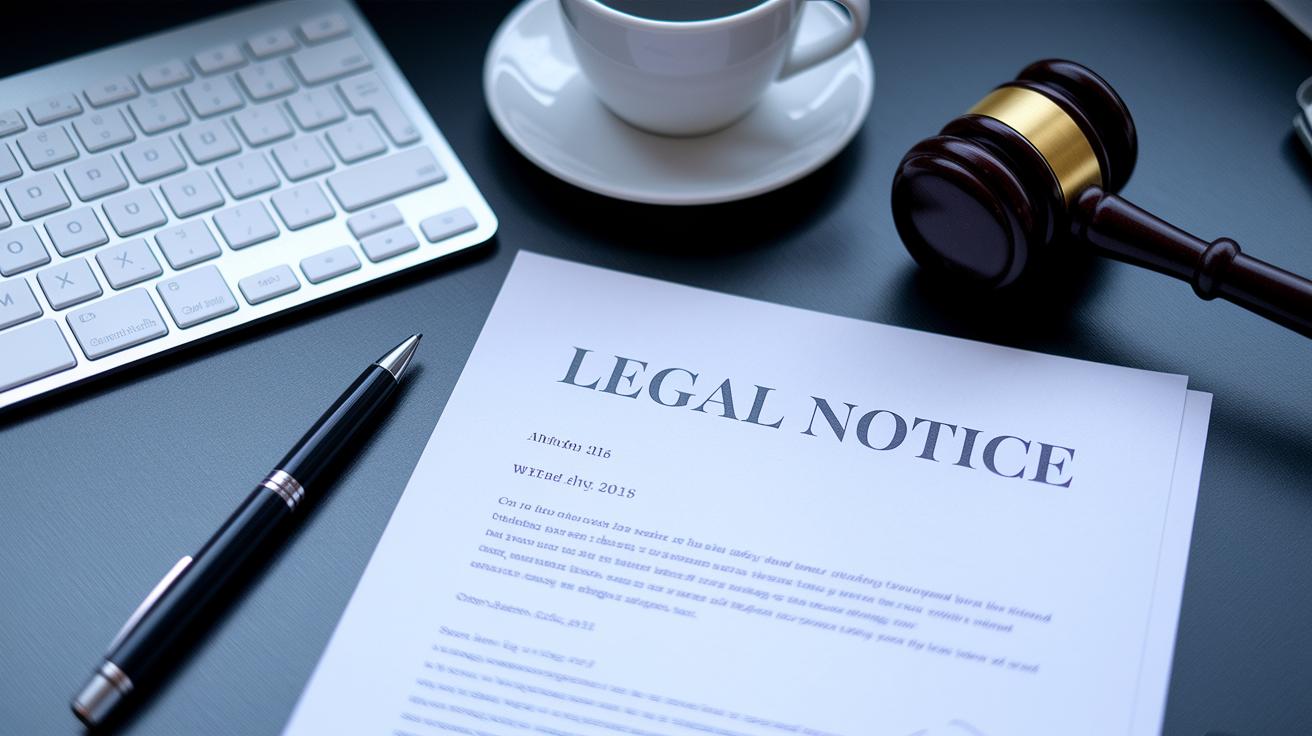
Creating a legal notice that follows the right format is key to making your case clear and effective. A well-organized notice lays the groundwork for settling disputes before extra legal steps are taken and shows you are serious about following the rules. Taking care with every part of the document makes sure it holds up if things move to a court setting.
A proper legal notice has a clear layout with some important parts. First, it should be printed on your lawyer’s letterhead, which has the firm’s logo, physical address, and contact details. This proves the notice is authentic. Next, the date of issue must be clear so that any deadlines are easy to follow. The notice must include full details of who is receiving it, like names and full physical addresses with postal codes, to make sure it reaches the right person. A clear subject line tells the recipient from the start what the dispute is about. The main part of the notice consists of numbered paragraphs that explain the facts, the legal reasons (grounds for the claim), and the instructions given by the client. There is also a section where the specific relief or remedy you are asking for is stated along with a set deadline. Both the advocate and the client sign the notice (with the client’s signature shown under “Under instruction of my client”), and it is important to keep one signed copy for your records.
| Component | Purpose |
|---|---|
| Lawyer’s letterhead | Proves authenticity with firm logo, address, and contact details |
| Date of issue | Sets the timeline for time-sensitive actions |
| Full recipient details | Makes sure the notice reaches the correct person |
| Subject line | Clearly states what the grievance is about |
| Numbered paragraphs | Breaks down important facts, legal grounds, and client instructions |
| Relief sought with deadlines | Explains the required actions along with the time limit |
| Signatures | Shows the notice is acknowledged by both advocate and client |
| Retained copy | Serves as evidence for any future proceedings |
Following these guidelines ensures your legal notice meets formal legal requirements and clearly communicates your message, helping you move forward confidently.
Step-by-Step Guide to Drafting a Legal Notice
Drafting a legal notice is like building your case one clear, careful step at a time. Start by gathering every fact and piece of evidence, so nothing gets overlooked. Being organized and precise in your writing helps make your claim easy to understand and follow, especially if the matter ends up in court.
- First, collect all the facts and supporting documents, think of it as putting together a puzzle where every piece counts.
- Next, check which laws, contracts, or rules (the legal supports behind your claim) apply to your situation.
- Write your points in clear, numbered paragraphs. This makes it easier for anyone reading the notice to follow your story.
- Be specific about what you want to happen, whether it’s payment or stopping an action, and set a clear deadline for a response (usually between 7 and 30 days).
- Finally, print the notice on your official letterhead, get the necessary signatures, and get ready to serve it by an approved delivery method.
Each step takes careful attention and a commitment to clarity. A well-crafted legal notice not only records your claim in detail but also sets the stage for a smoother legal process down the line.
Common Mistakes to Avoid in Legal Notice Drafting

Missing key details can really hurt your legal notice. Not including full recipient addresses or the proper legal citations (official references to the law) makes the notice less strong. Instead of using a one-size-fits-all template, tailor your notice to fit your unique situation by adding clear deadlines and detailed instructions for relief. For example, a notice without a specific response deadline might not set the legal timeline properly, which can weaken its value as evidence before any legal action takes place.
Errors in how the notice is formatted and served can also put your case at risk. If the letterhead or signature block is off, people might question the notice's authenticity. And if you send it using an unverified delivery method, you might not have solid proof that the notice was received. Imagine sending a legal notice without tracking it, you run the risk that the recipient could claim they never got it. Taking care of these details builds a stronger, more enforceable legal document.
Serving and Responding to a Legal Notice
When you send a legal notice, it’s important to use delivery methods that give you solid proof. You might send it by registered mail, use a courier service that gives a receipt, or send a certified email with a read-receipt. These options provide you with real evidence, like a postal receipt, tracking number, or email confirmation, to show that the notice was delivered. For example, if you choose registered mail, hanging onto the postal receipt helps prove the document reached the person on time.
Typically, the person who gets the notice has between 7 and 30 days to reply. Sometimes, if both parties agree, that time frame can be lengthened to allow for more discussion or changes. The rules even let you amend or pull back the notice before court starts if new facts or a fresh strategy comes up. Both sides have their parts: the sender must ensure the notice is sent using a verified method and keep the proof, while the recipient is expected to reply within the set period or request more time if needed.
Legal Notice Types for Common Disputes

When you're dealing with legal issues, it helps to have a notice that fits the exact details of the problem. A generic notice can leave room for confusion and might weaken your legal claims. Customizing your notice makes it clear what the issues are and sets a direct tone. It shows that you've taken the time to point out the exact problems and legal reasons behind them, which can really help if things move to court. Plus, tailoring your notice means you follow the right laws and it makes your claims even stronger.
Different problems need different types of notices. For example, non-payment notices are written to clearly ask for overdue money, even stating a deadline for when payment should be made. Breach-of-contract notices include details about which parts of the agreement were broken (a breach is a failure to follow a contract) and what needs to be fixed. In eviction cases, the notice spells out what tenants must do, gives a specific move-out date, and explains the legal steps if they don’t comply. Cease-and-desist letters tell people to stop harmful activities, like spreading false information or stealing ideas, right away. Finally, consumer complaint notices cite the laws that protect buyers and request steps to fix the issue. Each type of notice is short yet detailed enough to cover all the important legal points while making the sender’s demands clear.
When to Seek Professional Legal Advice for Notices
It might seem easy to write your own legal notice, but a do-it-yourself version can overlook essential details like the right citations, clear deadlines, or proper ways to serve the notice. Missing these elements can leave your document open to questions about its accuracy and strength.
Working with a lawyer makes a big difference. They check every part of your notice to ensure that all citations are exact and deadlines follow legal rules (statutory demands). Their advice helps shape the notice so it's not only enforceable but also stronger when it comes to negotiations and overall legal strategy.
Final Words
in the action of drafting, serving, and responding to a legal notice, every detail plays a role. We examined its clear definition, the required format, and the step-by-step drafting process.
We also highlighted common pitfalls and explained how proper service and response timing support a solid case. Building your notice with precision not only strengthens your tactics but adds clarity to dispute resolution. Keep refining your approach with confidence and care.