



Have you ever wondered if one well-crafted legal request could change a trial's outcome? A motion is much more than paperwork, it is a powerful tool that can dismiss a case or even lead to a new trial.
Think of it like setting the stage for a play, where every detail helps build a strong argument for the judge. This article explains the meaning of a motion in law (a formal request to a judge asking for a specific decision) in clear, everyday terms.
In simple language, you’ll see how a solid motion can steer a case in the right direction. Ready to explore how one effective request might make all the difference?
motion meaning in law: Clear Legal Insight
A motion is a formal court request for a specific ruling or order on a legal issue. It can ask to dismiss a case, delay a trial, rule out evidence, or even order a new trial. The person submitting the motion has to support it with clear legal reasons, solid facts, and good evidence. Think of it like building your case step by step; every piece is key in helping the judge understand what you need. For instance, picture a lawyer pointing out errors in the trial process and explaining why a new trial is warranted.
For a motion to really hit the mark, it must follow some strict rules. It should clearly lay out the facts, explain the legal issues in plain terms, and include a specific request for help (often called relief). Keeping the document neat and to the point allows the court to quickly grasp the main argument. For example, a party might file a motion to dismiss claims that lack enough evidence, making sure only well-grounded issues continue in the case. Every detail counts because a solid motion can steer the course of the entire legal process.
Motions aren’t the same as legal objections raised during hearings. Objections are immediate responses used to flag issues right away, while a motion is a separate, full argument that explains the legal reasons behind the request. In short, while objections interrupt proceedings to challenge specific points, motions provide a detailed plea for the court to consider before moving forward with the trial.
Key Types of Motions in Law and Their Purposes

Legal motions are formal requests made to the court to sort out big issues before a trial even starts. They help clear up confusion and keep the case on track. Let’s break down five common motions to see what each one does.
A Motion to Dismiss is used to end part or all of a case when there’s no real disagreement about the key facts or when the claim itself is weak. It’s often filed early to stop unnecessary legal battles.
A Summary Judgment Motion asks the court to decide the case without going to trial. The argument here is that there’s no major fact in dispute (meaning both sides agree on the important details), so the judge can rely on the law to settle the matter.
A Motion in Limine requests that the judge keep certain evidence out of the trial. The idea is to avoid letting information that might unfairly sway the jury into affecting the case outcomes.
A Motion to Compel Discovery is made when one party believes that the other side is holding back important documents or testimony. This motion forces the other side to share the necessary facts so everyone knows what’s going on.
A Petition to Quash challenges a subpoena (a legal order to produce evidence) or disputes how legal papers were served. It’s a way to fix procedural mistakes that might harm a party’s rights.
Filing Steps for Motions in Civil and Criminal Courts
When filing a motion in civil or criminal court, you need a clear, step-by-step plan to catch the judge’s attention and get your request heard. It’s like building your case piece by piece, making sure every detail fits perfectly to avoid delays or any setbacks.
-
Start by drafting your motion with a clear caption, a solid statement of the facts, persuasive legal arguments, and a straightforward request for relief. Think of this as laying down the foundation of your argument, each part plays a crucial role in convincing the court.
-
Next, format your document according to the Rules of Civil Procedure or Criminal Procedure. Use the correct typeface, margins, and placement for the signature block. This attention to detail makes your motion look professional and meets all the court’s requirements.
-
Then, head to the clerk’s office to file your motion and pay any required fees. This officially introduces your document into the judicial system and starts the review process.
-
Remember to serve a copy of your motion and any supporting documents to the opposing parties following the proper service rules. It’s important everyone gets the same information, so no one feels left out. For more guidance, check out resources that explain the proper method to serve legal documents.
-
Finally, if a hearing is required, schedule a date and attach a notice of hearing to your filing. This step ensures that everyone is informed about when the motion will be discussed, allowing enough time for preparation and response.
Keeping track of deadlines and service timelines is crucial. Courts often have strict time limits, for example, sometimes only 21 days to respond to a federal Rule 12(b) motion to dismiss. Staying organized and proactive can make all the difference in maintaining the momentum of your legal strategy.
Motion Hearings and Judicial Decision Process
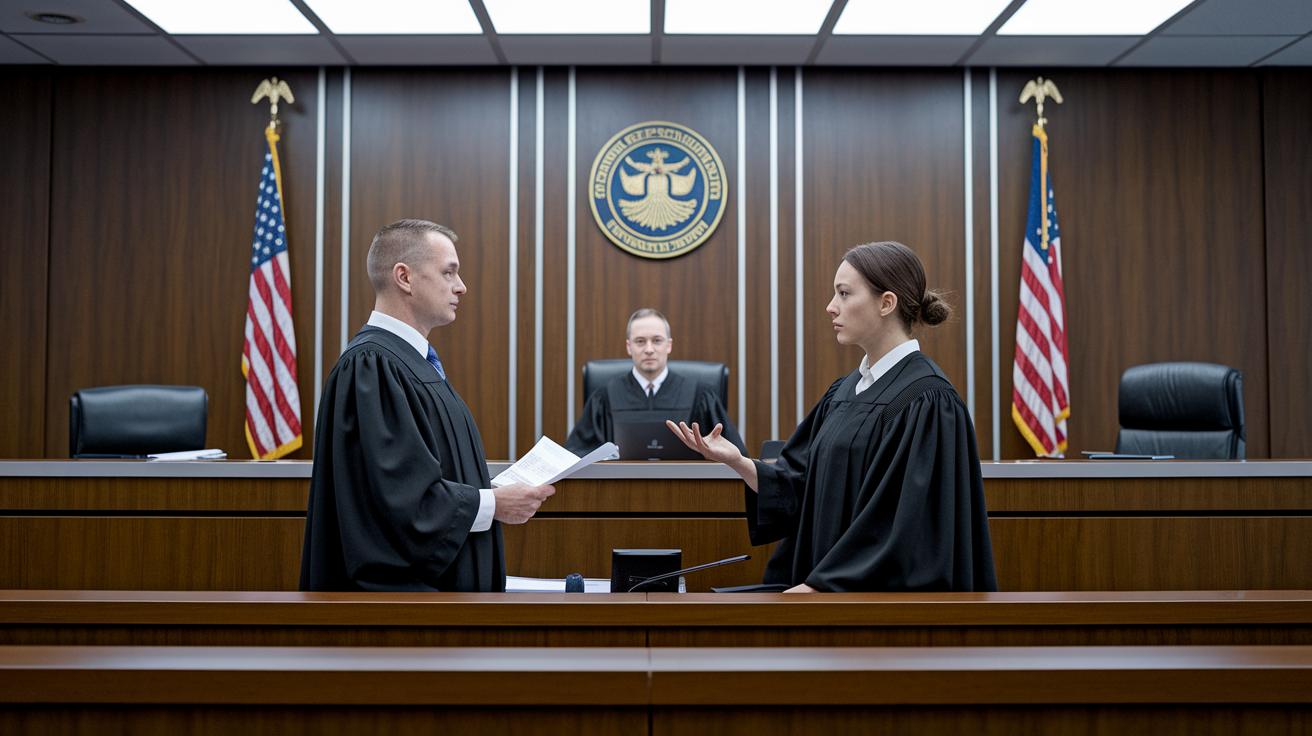
Motion hearings come in different forms and are like stages where legal arguments unfold live. They can happen in person at the courthouse or over video calls. In these settings, everyone gets a turn to speak and may show evidence right then or send it electronically. This setup is meant to be clear and fair, letting each side explain their take on issues such as discovery disputes (arguments over sharing evidence), dispositive issues (points that could decide the case), or other key evidence matters before a trial starts. It’s a bit like a live debate where both sides share facts and legal points to help guide the judge's choice.
| Type of Hearing | Mode | Possible Outcome |
|---|---|---|
| In-Person Hearing | Courtroom | Immediate or Deferred Ruling |
| Virtual Hearing | Video Platform | Immediate or Deferred Ruling |
Judges can decide on motions right from the bench if everything is pretty clear or take more time to think over the motion before giving a written decision. The time they need depends on how detailed the evidence and arguments are. Usually, a quick oral presentation helps move things along, making the judge's ruling a crucial step toward moving a case forward.
Strategic Impact of Motions on Case Outcomes
Winning motions can really change the game in a case. Think of it like building your case piece by piece, each detail matters. For instance, a solid, well-prepared motion might dismiss weak claims that don’t have firm facts behind them, saving time and avoiding costly trials. Another time, a motion helped kick out evidence that could have unfairly influenced the jury. It all comes down to clear, persuasive arguments, strong evidence, and timing that fits just right.
On the flip side, a weak or rushed motion can slow a case down and drive costs up. Unclear language or messy documents can lead to rulings that don’t work in your favor and may even harm your credibility in court. Even tiny mistakes can give the other side a chance to challenge your work. Every detail counts, and taking the time to draft your legal documents carefully is key to staying on the winning side.
Best Practices for Drafting and Responding to Motions

Drafting Persuasive Motion Documents
When you write a motion, start with a simple outline based on solid research of laws, court rules, and past cases. Begin with clear headings and short sections that let the judge quickly understand what you’re asking for. Think of putting together a puzzle, each piece, such as a sharp citation or a carefully chosen phrase, helps build a strong case. For example, you might write, "The defendant’s actions contradict established regulations, supported by Smith v. Jones (2010)" to clearly back up your points.
Keep your tone respectful but firm, like you’re calmly explaining your case step by step. Use logical transitions, clear examples, and exact citations to make your motion persuasive. This careful approach not only boosts your credibility but also makes it harder for the other side to point out any weak spots.
Responding Effectively to Opposing Motions
When you’re replying to an opposing motion, make sure to address each point they raise in a clear way. Focus on the most important issues and back up your answers with strong, fact-based counterarguments. For instance, if the other party makes a disputed claim, you might say, "Contrary to the opposing claim, case law consistently supports our interpretation." This shows that every response is grounded in solid legal research.
If you’re allowed to use reply briefs, take the chance to refine your response even more. Match each objection with a fact-based rebuttal and make sure you meet all deadlines. Using helpful resources, like legal bulletins for updates and filing deadlines, can strengthen your argument and help you secure a favorable ruling.
Final Words
In the action, we broke down the core definition of motions, explored different types like dismissal requests and summary judgments, and examined key filing steps.
We also looked at how motion hearings, decisions, and strategic impacts shape case outcomes.
Our discussion covered drafting techniques and tips for addressing opposing filings with clarity.
This clear review of motion meaning in law should help boost confidence and sharpen practical legal skills.
Keep these insights in mind for a more confident approach when handling filing processes.
FAQ
What is a motion in law?
The motion in law represents a formal request to the court for a ruling on a legal issue, such as dismissing a case or excluding evidence. It is backed by legal arguments and supporting evidence.
What does filing a motion in court mean?
Filing a motion in court means submitting a written request that outlines the legal basis and evidence for the action you want the judge to take, following specific court rules and procedures.
What happens after a motion is filed in court and during a motion hearing?
After filing a motion, the court schedules a hearing where parties present their arguments. The judge may rule immediately from the bench or take the motion under advisement for a later written decision.
What are some examples or types of motions in law?
One example includes a motion to dismiss, which seeks to end a case due to lack of sufficient legal grounds. Other types include summary judgment, motions in limine, discovery motions, and motions in criminal court.
What is the difference between a motion and a pleading?
A motion requests the court to take or avoid an action through a legal argument, while a pleading is a formal statement of each party’s claims or defenses filed at the start of a case.
What does “motion call” mean in court?
The term “motion call” refers to the process when a court schedules and convenes a hearing specifically to consider a submitted motion, allowing both sides to present their arguments before a ruling is made.