




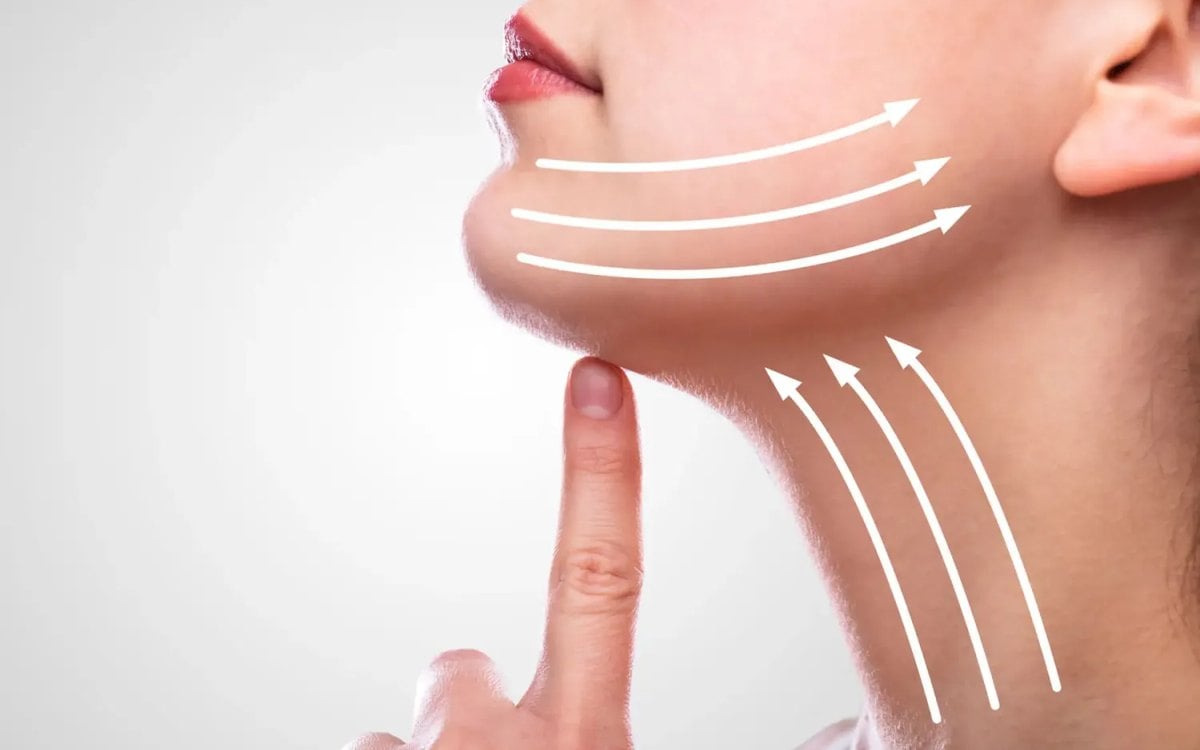
In profile, a man’s jawline reads as a line running from the earlobe to the chin, with a clean angle where it turns down into the neck. Over the years that line blurs. Skin loosens, fat gathers under the chin, and the thin band of muscle at the front of the neck can slacken.
At Leo Lapuerta, MD, Plastic Surgery, the neck is treated as a set of layers, each with its own fix. Dr. Leo Lapuerta, a triple board-certified plastic surgeon with more than 30 years of experience, divides neck lift surgery into two parts: platysmaplasty for the muscle and cervicoplasty for the skin, with liposuction added when fat pockets need to go.
The practice names weight loss, genetics and age as the forces behind a sagging neck. Its guidance on men’s facial surgery says procedures can tighten loose skin, and it places the typical male candidate in his 50s with mild to moderate signs of aging, though men of other ages can benefit with their doctor’s sign-off.
Fat: the layer liposuction reaches
Some men carry most of their neck fullness as fat under the chin, the shape people call a double chin. When fat removal is part of the plan, liposuction comes first in the operation, before the surgeon works on muscle or skin.
Weight history matters here. For patients who have lost a large amount of weight, Dr. Lapuerta recommends being at or near goal weight before a neck lift. The practice adds that men in their 20s and 30s may benefit from the operation after massive weight loss or with a hereditary neck issue, while patients in their 60s and 70s often choose it for visible signs of aging.
Muscle: tightening the platysma
The platysma is a broad, thin muscle across the front of the neck. With age it can loosen and soften the angle under the jaw. In the platysmaplasty portion of the operation, Dr. Lapuerta pulls these muscles tight and places sutures deep within the neck to hold the new position.
Skin: trimming and re-draping
Cervicoplasty addresses excess skin. Once the muscle is tight, the surgeon stretches and re-drapes the overlying skin to sharpen the neck, reducing the loose skin along the chin and jawline that creates jowls. He may insert a drain to control bleeding.
The incision runs under the chin and, in some cases, behind or in front of the ears. The practice says it keeps these within the hairline at the ears and under the chin, so you won’t see them when you look straight ahead. On non-surgical neck lifts, the practice’s position is that removing loose skin from the neck requires surgery.
When the chin is the problem
Some men who believe they have a neck problem have a weak chin. Without proper support from the chin bone, the practice explains, the neck can’t hold a defined contour. In those cases Dr. Lapuerta may recommend a chin implant to reshape the chin and make it more prominent, and a neck lift may still be needed once the chin is corrected.
The reverse also happens. The practice describes patients who are happy with the youthful look of their face but feel their neck gives away their age. For them, a full facelift is not yet necessary, and a neck lift can bring the lower face and neck in line with the rest.
Recovery for men who have to get back to work
A neck lift is an outpatient procedure performed under general anesthesia. Dr. Lapuerta operates in his own QuadA (AAAASF) accredited surgical facility and works with physician anesthesiologists. The surgery typically takes two hours, though that varies by case.
Bruising, swelling and a pulling sensation follow as the neck adjusts. The practice says most patients return to work within 7 to 10 days, while optimal results can take several months to appear. The aftercare rules are practical: avoid pressure on the neck, wear button-front shirts instead of pullovers, keep the head elevated during sleep for the first few days, and skip ice on the incisions, which can reduce blood flow. Like any operation, a neck lift carries risks that belong in the consultation.
Dr. Lapuerta’s view is that board certification plus experience with the specific procedure, counted in cases and years, is the best determinant of a result patients are happy with. A man weighing a neck lift can test that in one appointment by asking the surgeon how many he has performed and asking to review before-and-after images; the practice keeps more than 3,000 available.
This article is for general information only and is not medical advice. Results vary from patient to patient. Consult a board-certified plastic surgeon or your physician about your own situation. Written in partnership with Joseph Lambert, a publicist working with Leo Lapuerta, MD Plastic Surgery.