




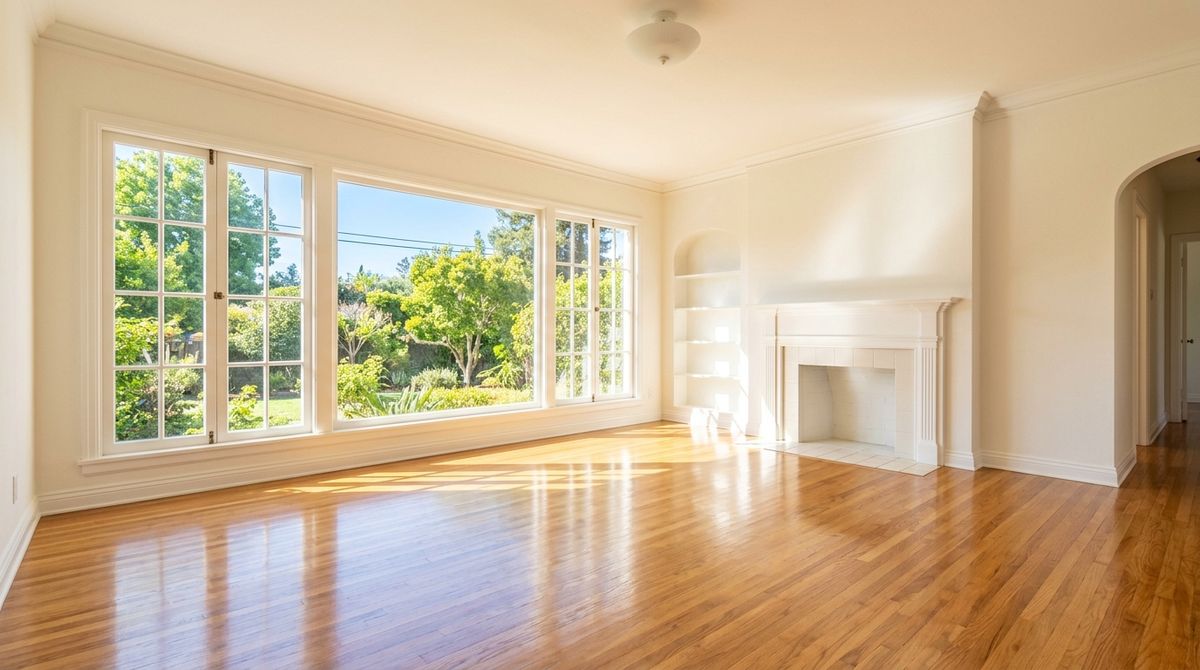
Listing photos do much of the early work when a home goes on the market. Buyers scroll through dozens of images before they decide whether a visit is worth the time. Sellers often feel pressure to make every room look perfect for the camera, and that pressure leads to a handful of habits that seem clever but can undermine the listing.
This article examines five common beliefs about staging a home for photographs and explains what tends to work better. The advice is general and focuses on clarity, honesty and a smooth match between the pictures and the actual house. It is not a guide to pricing, marketing strategy or contract terms.
Empty Rooms Photograph Best
Many sellers remove nearly every object before photos are taken, believing that a bare room looks larger. Empty rooms can feel cold and hard to picture, however. Buyers often struggle to judge how furniture would fit or how a space would feel to live in. A few well-chosen pieces, placed with care, can give a sense of scale and comfort. Readers may also want to visit ugenmedia.com.
Keep a simple bed, a sofa or a dining table in key rooms, and remove anything that crowds the walkways. Choose furniture of a suitable size, since oversized pieces can make rooms look smaller. Step back and check that each room has a clear purpose in the photo. Ask a friend to look at the set of photos without reading the description, then ask what they noticed.
Bright Colors Help a Listing Stand Out
Some sellers repaint walls in strong tones, hoping that bold color will attract attention. Vivid walls can divide opinion and may look dated quickly. Neutral colors give buyers a clean backdrop and let the room’s features shine. Consistent tones across the home also help the photos feel like a single story. You can also visit patbigoldmedia.org for more reading.
Use soft, light neutrals in the main living areas and keep bold accents to a few small items. Repaint scuffed walls before the photo day so the finish looks even. Fresh touch-ups around switches and door frames make a big difference in close-up shots. Check how the color appears in natural daylight, since camera lights can shift tones.
Professional Photos Are Always Necessary
Some sellers believe that only a professional photographer can produce a listing that works. Professional photos often look polished, yet a clear set of well-lit images taken with care can also do a good job. What matters most is accuracy, sharp focus and natural light. Images that match the house as buyers will see it tend to build trust. For a related read on this site, see How to Organize a Civic Initiative for Local.
Shoot on a bright day, ideally with curtains open and lights on. Hold the camera level and keep straight lines straight. Turning the phone sideways for some rooms can capture the full length of a space. Take at least one wide shot of each room and a few close-ups of features that matter, such as storage or a view.
Wide Angles Always Flatter a Room
Ultra-wide lenses and extreme angles can make a room appear larger on screen. The effect can distort the walls, stretch the furniture and create a sense of depth that does not match the real space. When buyers arrive and find a smaller room than the photo suggested, the trust in the listing can drop quickly. Honest framing gives the best first impression and avoids disappointment at the door.
Use a standard angle that shows the room as the eye naturally sees it. Keep the camera at a comfortable height and avoid tilting it upward. Include a photo of the floor plan, if one is available, so visitors can judge the layout. A simple sketch with measurements can help buyers picture furniture in each room.
Clutter Is Harmless if Hidden
Some sellers push belongings into closets or drawers just before a photo session, believing the mess will not show. Buyers often open cupboards during viewings, and a crammed closet can raise doubts about storage and care. A tidy, uncluttered look in the photos also helps buyers picture their own belongings in the space. Removing extra items during preparation makes the home feel calmer and more spacious.
Pack away personal collections, extra decorations and loose cables before the photo day. Clearing surfaces before the shoot also helps the room look calm in every shot. Clear kitchen counters and bathroom surfaces except for a few neat items. Keep the closets organized in case buyers look inside.
Photos That Match the Walk Through
Listing photos work best when they tell an honest story about the home. Natural light, sensible furniture, neutral colors and accurate framing give buyers a clear sense of what to expect. When the photos and the actual house match, visitors arrive with realistic expectations and more confidence. A careful staging plan supports both the listing and the sale. Buyers who feel the photos were honest tend to approach the viewing with more trust.