




A career change often brings a shift in income, working hours and daily energy. Hobbies that once filled the weekends may suddenly feel expensive, and the gear, classes and seeds that seemed affordable before can start to strain the household budget. Many people find that a clear, modest plan for leisure spending protects both their enjoyment and their finances during the transition.
This article offers general budgeting ideas for keeping hobbies alive without overspending. It is not personal financial advice. The sections below cover mapping income changes honestly, choosing hobbies that fit the budget, buying used gear and seeds wisely, setting a simple spending limit and reviewing expenses every few months so the plan stays realistic as circumstances change.
Mapping Income Changes Honestly
Begin by writing down the new income picture in plain terms. Include take-home pay, any regular benefits or allowances, and any irregular payments that arrive at unpredictable times. Note the costs that will stay fixed, such as housing and transport, and the ones that vary from month to month. Include subscriptions and memberships, since they often hide in the variable costs. Readers may also want to visit ohitsjustperfect.com.
Be honest about gaps in the figures. A new role may start with a lower salary during a probation period, or a bonus may depend on conditions that are not guaranteed. Plan using the lower and more reliable number, and treat any extra income as a welcome bonus rather than a regular part of the budget. A cautious plan leaves room for surprises without forcing cuts in the middle of the month.
Choosing Hobbies That Fit the Budget
Not every hobby needs expensive equipment or frequent classes. Walking, reading, cooking at home, sketching and simple gardening can all offer deep enjoyment at a modest cost. You can also visit Wafnews.com for more reading. Choosing one or two hobbies at a time keeps spending focused.
Compare the total cost of each option over several months rather than looking only at the first payment. A class that costs little to join may require regular fees, special clothing or travel that adds up quickly. Writing down the monthly expense for each hobby makes trade-offs visible and helps you decide which pleasures are worth protecting. Seeing the numbers side by side often makes the choice much easier.
Buying Used Gear and Seeds Wisely
Secondhand equipment can deliver excellent value for hobbies that rely on tools or sports gear. Check the condition carefully, ask about any repairs and make sure the item fits your needs before paying. For gardeners, seeds and cuttings from a neighbor or a community exchange can be a cheap and generous way to begin. For a related read on this site, see Marketing Words a Student Meets Online, Plainly Explained.
Avoid the temptation to buy a full set of new tools before you know whether you will enjoy the hobby. Start with the essentials and add pieces gradually as your skill grows. Borrowing an item for a trial period can answer many questions before any money changes hands. Store secondhand gear carefully so it lasts, and consider sharing tools with friends who have similar interests. A shared shed or a tool library can also make expensive equipment far more affordable.
Setting a Simple Spending Limit
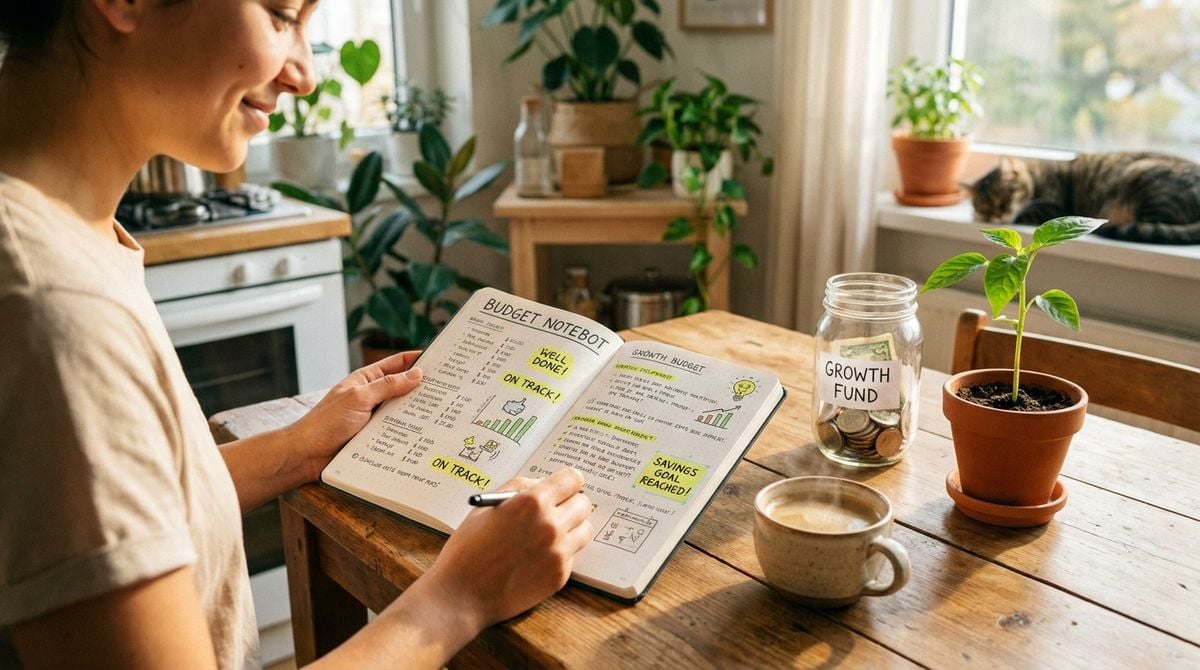
A monthly spending limit gives a hobby its own clear space in the budget. Decide how much you can comfortably spend each month on leisure, then divide that amount between the activities you enjoy most. Keep the limit visible, perhaps in a notebook or a shared note on your phone, so it is easy to check before each purchase.
When the limit is reached, pause and wait until the next month before buying anything new. This habit prevents impulse spending and encourages creative solutions, such as borrowing a book from the library or swapping items with a friend. A simple limit turns hobby spending from a source of guilt into a predictable and enjoyable part of life. Many people find that a clear limit brings more calm than strict rules ever did.
Reviewing Expenses Every Few Months
Review the hobby budget every few months to see whether the plan still fits. Compare actual spending with the limit, note which activities brought the most enjoyment and identify any costs that surprised you. Life changes quickly after a career shift, so a plan that worked in the first month may need adjustment by the time the new routine feels settled.
Celebrate the hobbies that stayed affordable and make space for new ones as the budget allows. A modest, well-reviewed plan can keep creativity alive during a demanding period, and it shows that enjoyment does not depend on spending large sums of money. Small pleasures repeated often can feel richer than occasional big purchases.
A modest hobby budget after a career change is about balance, not sacrifice. Map income honestly, choose activities that suit the plan, buy used gear with care, set a simple limit and review expenses every few months. With those habits in place, the hobbies that matter most can continue through the transition.