




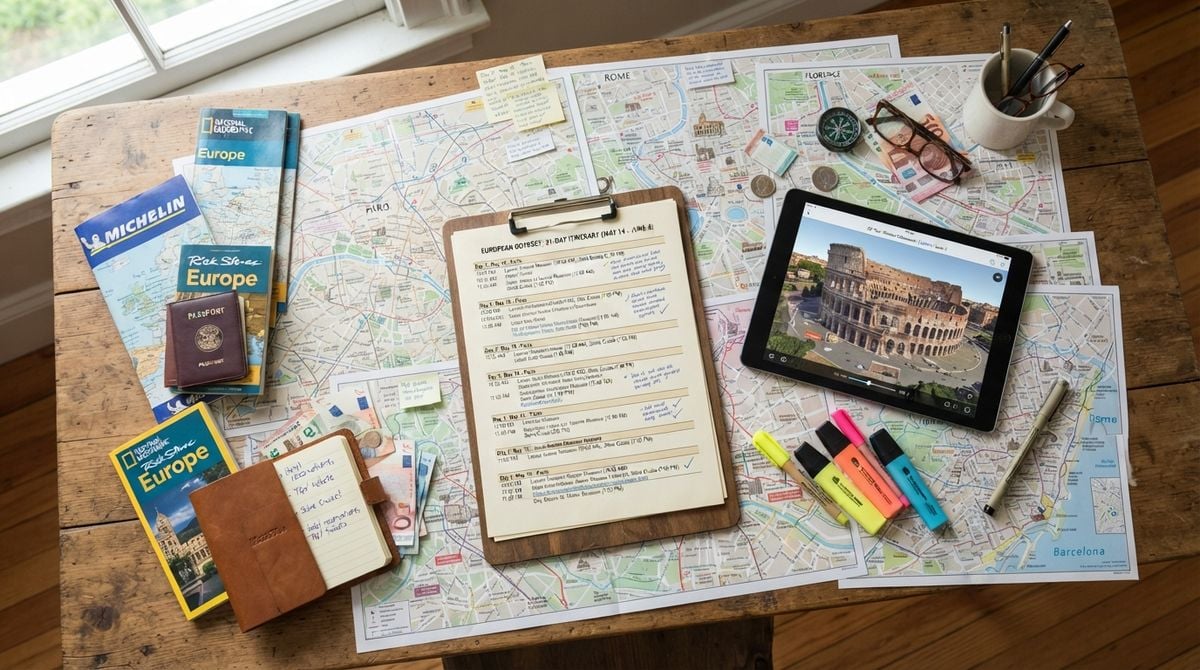
Business trips often begin with a flurry of emails, scattered confirmations and a last-minute search for a ride from the airport. When every traveler plans in a different way, managers spend their time answering the same questions again and again. A one-page itinerary template gives the whole team a shared starting point. This article follows that single change through the first week, the first month and the third month, so you can see how a simple document gradually reshapes the way a small company travels.
Starting With One Shared Sheet
Begin with a single template that fits on one page and covers the essentials. Include the traveler name, the purpose of the trip, the departure and return points, the lodging address, the main meetings and a contact for emergencies. Leave a blank space for notes, because every trip brings a few surprises that the template should be able to capture. Readers may also want to visit kardblock.com.
Share the template in one shared folder rather than attaching it to emails, so that everyone opens the same version. Name the file in a plain way that makes it easy to find months later. Ask one experienced traveler to try it on a short trip first, because a real test reveals missing fields faster than any review in the office. Keep the first version modest so that people actually fill it in rather than setting it aside.
Making the Template Part of Booking
Once the form exists, tie it to the booking step so that nobody can skip it by accident. Ask the person who books flights or rooms to attach the completed page before a reservation is confirmed. This small rule turns the template from an optional extra into part of the normal workflow. You can also visit sindoweekly-magz.com for more reading.
Explain the reason for the form in one sentence when you introduce it. People accept a new step more easily when they understand that it prevents double bookings and late surprises. Avoid long memos, since most staff will skim them without reading closely. A short message with the template attached is usually enough to start the habit, and a reminder sent a week later often does the rest.
Month One: Reading Feedback From the Road
By the end of the first month, the template has usually changed in small ways. Travelers ask for a line about dietary needs, or a place to note which meeting room is hard to find from the lobby. Each request is a clue about what the trip really required. For a related read on this site, see Designing Relaxing Retreat Days for Busy Grassroots Organizers.
A useful habit is a short debrief after each trip, lasting no more than a few minutes. Ask one simple question: what did the sheet miss? Write the answer at the bottom of the template so the next person can see it. These small notes stop the same gap from appearing again and show staff that their feedback is being used. Over the course of a month, the form becomes more accurate without any formal redesign.
Month Three: Patterns in Trip Planning
By month three, the completed sheets form a small archive that is surprisingly revealing. You can see which routes repeat, which hotels appear more than once and which trips needed extra time for travel between meetings. This is the point at which the template begins to inform decisions, such as agreeing on a preferred car service or choosing a regular hotel block for the team. Those choices should rest on what your own records show, not on assumptions.
Share one page of findings with the team. Keep it short and factual, focusing on what happened rather than on who made which choice. People respond well when a review feels like a planning tool rather than a judgment. When the summary is clear, the next round of trip requests usually arrives with fewer open questions.
Keeping Travel Simple for Remote Staff
Remote team members often need the template even more, because they arrange trips from home offices with fewer colleagues to ask. Make sure the form includes a line for local transport contacts and a backup plan in case a flight changes. Send a reminder a few days before departure rather than on the morning of the trip, so there is time to fix any gap that appears.
Keep the wording friendly rather than bureaucratic. A checklist written like a helpful note invites completion, while a formal policy tends to invite shortcuts. Keep the page short enough that a busy person can finish it in one sitting, and make sure the file can be opened easily on a phone. A form that works on the go is far more likely to be filled in on time.
A one-page itinerary is a modest change, yet it touches booking, communication and review all at once. In the first week it mainly brings order to a handful of trips. By the first month it collects useful feedback, and by the third month it reveals patterns that help a small company plan more calmly. The strongest result is often a team that stops asking the same questions every time someone leaves the office.