




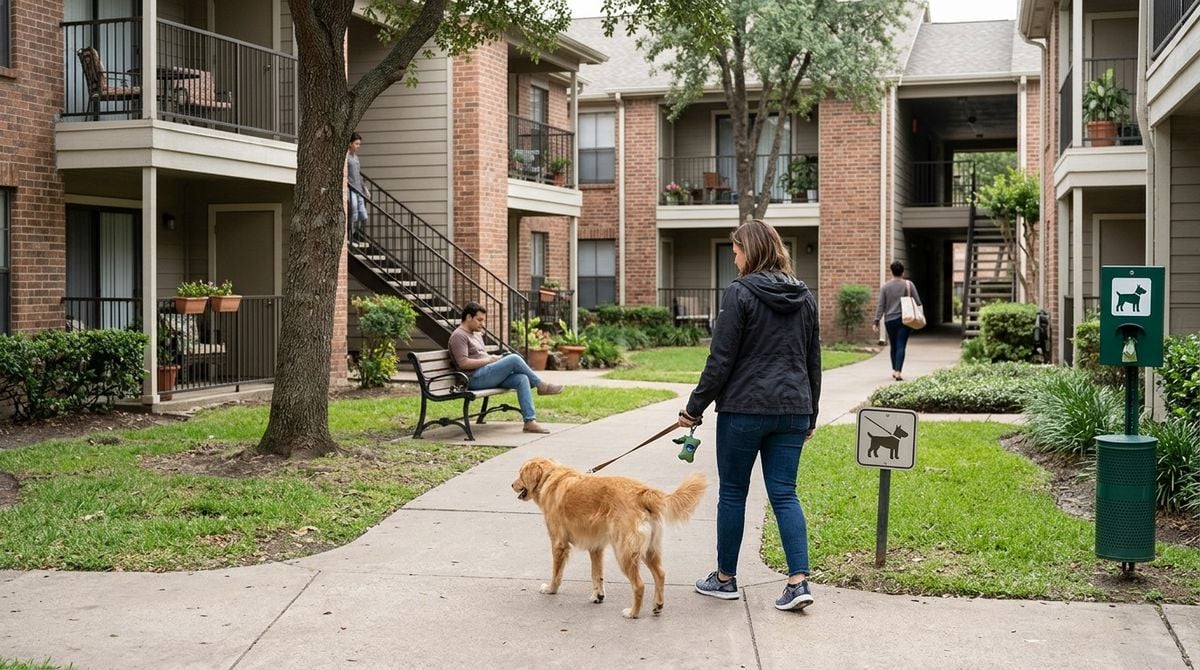
Across the country, animal shelters and rescue organizations rely heavily on temporary foster homes to nurture dogs awaiting permanent adoption. Fostering provides vital relief to crowded municipal shelters, offering vulnerable animals an opportunity to decompress, build confidence, and receive individual attention. While the dedication of primary foster caregivers is commendable, shouldering the daily responsibilities of a recovering animal can quickly become overwhelming when managed in isolation.
A compassionate neighborhood network can fundamentally alter this experience by distributing small acts of assistance across multiple households. When community members unite to support local foster animals, they create an environment where rescue pets flourish and caretakers feel sustained. By developing cooperative routines and practicing empathetic stewardship, everyday residents can make meaningful contributions to local animal welfare without needing to adopt a pet themselves.
Building an Informal Neighborhood Support Roster
The initial phase of effective community collaboration begins with open communication and practical coordination among neighbors. Foster caregivers often balance standard working hours, family obligations, and the unpredictable needs of rescue dogs who may require frequent bathroom outings or gentle reassurance. An informal neighborhood registry of willing volunteers can bridge these gaps by offering on-demand help during demanding workdays.
Coordinating this assistance starts with a shared understanding of each foster dog’s behavioral background and care requirements. Volunteers who wish to handle leash walking, crate transitions, or basic manners should familiarize themselves with safe handling techniques and positive reinforcement methods. Anyone seeking comprehensive guidance on canine health routines, training fundamentals, and veterinary wellness can explore dogs-info.net to gain essential knowledge before stepping in to assist. Having knowledgeable neighbors ensures that every interaction remains constructive, predictable, and reassuring for an animal in transition.
Establishing clear guidelines prevents misunderstandings and keeps everyone safe. Foster parents can create a simple digital bulletin or communication group where they post daily walking needs, dietary restrictions, or schedule updates. When neighbors take turns providing midday companionship or garden playtime, the foster dog enjoys steady social contact while the primary caregiver gains peace of mind.
Sharing Daily Care and Enrichment Responsibilities
Mental enrichment is just as important as physical exercise for dogs adapting to life outside a kennel. Shelter environments often leave dogs overstimulated or anxious, making calm mental stimulation an essential part of their healing process. However, continually preparing puzzle games, sensory activities, and interactive feeding sessions requires considerable time and effort from a sole caregiver.
Neighborhood groups can easily coordinate an enrichment cooperative to share the workload. Residents can assemble durable puzzle toys, provide safe chew items, or donate clean cardboard boxes for supervised scent games. Rotating these items among participating households keeps mental stimulation fresh and engaging for foster dogs without requiring expensive individual purchases.
Thoughtful daily routines also encompass grooming, nutrition, and attentive observation of a pet’s emotional state. Those interested in learning more about compassionate animal companionship and practical pet care solutions can turn to Geek Fishing for valuable ideas on supporting animal welfare. Sharing these enriching responsibilities allows community members to bond meaningfully with local animals while offering practical relief to dedicated foster homes.
Preparing Restful and Predictable Surroundings
A successful foster placement depends heavily on an animal’s ability to rest deeply and reset their nervous system. Dogs entering a new neighborhood must process unfamiliar sounds, distinct smells, and novel sights, all of which can trigger heightened sensitivity. Providing a serene living environment allows rescue animals to lower their stress levels and develop trust in human companionship.
Creating this sense of safety requires teamwork between the primary foster home and adjacent neighbors. Residents in shared housing complexes or nearby homes can help by keeping common hallways quiet, managing outdoor sound levels, and avoiding sudden loud interruptions. For practical guidance on arranging indoor living spaces that encourage relaxation, read our recommendations on maintaining a calm and healthy home for adopted pets during periods of adjustment. Harmonizing indoor comfort with respectful outdoor boundaries creates an ideal setting for steady behavioral growth.
Essential Etiquette for Neighborhood Interactions
Encountering a new dog in the neighborhood often inspires excitement, particularly among children and passionate animal lovers. However, foster dogs frequently arrive with unknown histories, previous neglect, or sensitivity to novel stimuli. Approaching a foster dog requires deliberate caution, respect, and emotional awareness from every passerby on the street.
To ensure positive experiences for both residents and foster animals, communities benefit from observing consistent street etiquette:
- Always ask the foster handler for permission before approaching or speaking directly to a dog.
- Provide plenty of sidewalk space when passing, allowing the handler to guide the dog calmly without crowding.
- Refrain from offering treats or snacks without explicit consent from the primary caregiver.
- Keep personal companion dogs securely leashed in public spaces and shared residential corridors.
Observing these straightforward principles prevents unnecessary anxiety and protects dogs from feeling trapped or cornered. When community members consistently demonstrate courtesy on walking trails and sidewalks, foster dogs learn that their immediate neighborhood is a safe, predictable environment where they can build confidence at their own speed.
Fostering Advocacy and Adoption Awareness
Beyond hands-on care and thoughtful walking etiquette, neighbors can become influential advocates in helping foster dogs secure permanent, loving homes. Local residents possess extensive networks that span workplaces, recreational clubs, social circles, and extended families. Mobilizing these everyday connections significantly expands an animal’s visibility beyond standard shelter adoption listings.
Community members can actively assist by capturing well-lit photos or pleasant video clips during routine outdoor walks, highlighting the dog’s gentle temperament and endearing quirks. Sharing these positive snapshots on community message boards or neighborhood newsletters often connects a dog with the exact family seeking a companion. Word-of-mouth advocacy from a trusted neighbor carries genuine warmth and credibility.
Furthermore, community advocacy helps diminish lingering misconceptions about rescue animals. By openly celebrating the resilience, loyalty, and personality of local foster dogs, residents foster a culture that views adoption as a rewarding choice. Every shared story helps normalize the adoption journey and inspires prospective pet owners to welcome a rescue animal into their own lives.
Expanding the Circle of Humane Stewardship
Creating a supportive environment for foster animals ultimately elevates the well-being of the entire community. When neighbors collaborate to support vulnerable animals, they cultivate shared empathy, deepen interpersonal connections, and build stronger civic bonds. Compassion extended toward a foster dog ripples outward, encouraging greater civic involvement and collective kindness across the neighborhood.
Every simple effort—whether carrying an extra leash, offering a moment of quiet pet sitting, or giving a foster pair courteous space on the sidewalk—plays a meaningful role in an animal’s journey toward a permanent home. By joining together as a dependable network of community advocates, everyday residents ensure that no foster caregiver walks alone and that every rescue dog receives the patient, neighborly care they truly deserve.