




A small office team can build healthier routines without expensive programs or complicated rules. Many employers start with a simple week of listening, trying small changes and keeping what helps. This plan moves through the team’s needs, from movement breaks to desk setups and feedback. It offers general wellbeing ideas only and does not replace medical care for anyone who needs it.
Days One and Two: Asking the Team What Helps
Begin by asking each team member what makes a workday feel easier. Some people will mention lighting or noise, while others may want a regular lunch break or a quiet room. Readers may also want to visit comment-thai.com. Keep the questions anonymous if people feel more comfortable sharing honestly that way.
On the second day, group the answers into themes and look for the most common requests. Notice which ideas are low cost and easy to start right away. Share a short summary with the team so they see that their input matters. Visible responses build trust for the changes that follow.
Take notes about who prefers quiet hours and who enjoys lively group conversations. Balancing those needs makes the office feel fair. Clear expectations help everyone feel comfortable sharing ideas.
Day Three: Adding Short Movement Breaks
Long periods of sitting can make people feel stiff and tired by mid afternoon. Encourage short movement breaks, such as a brief walk around the block or a few stretches beside the desk. You can also visit IT Marketing Boot Camp for more reading. Make it clear that breaks are a normal part of work rather than a reward.
Consider a shared reminder, such as a gentle chime or a calendar notification, that prompts people to stand up. Let the team choose the timing so the habit fits their rhythm. Avoid making breaks competitive or measured against others. Gentle encouragement works better than pressure.
Look at lighting, air flow and temperature across the office, since small discomforts add up over the week. Ask people to rate each area on a simple scale. Use the responses to guide practical improvements.
Days Four and Five: Setting Simple Hydration and Lunch Options
Make water easy to reach by placing a refillable bottle station near the main work area. A bowl of fruit or a basket of simple snacks can also support steady energy during busy hours. For a related read on this site, see Payment and Supply Fallbacks for a Small Garden. Choose options that are inexpensive and easy to store.
On the fifth day, talk with the team about lunch habits and whether a shared lunch day could help. Some people appreciate time to eat away from their desks, while others enjoy a casual meal together. Respect differences in diet, budget and personal preferences. Flexible choices help everyone feel included.
Encourage people to take proper breaks away from screens during the day. A five minute walk can refresh attention more than another cup of coffee. Keep the message positive and avoid suggesting that breaks signal weakness.
Day Six: Improving Desk Setups
Review how each workstation is arranged, paying attention to chair height, screen position and keyboard placement. Small adjustments often reduce strain in the neck and shoulders. Offer to help people test adjustable chairs or stands, and keep the process voluntary. Encourage anyone with persistent pain to speak with a qualified health professional.
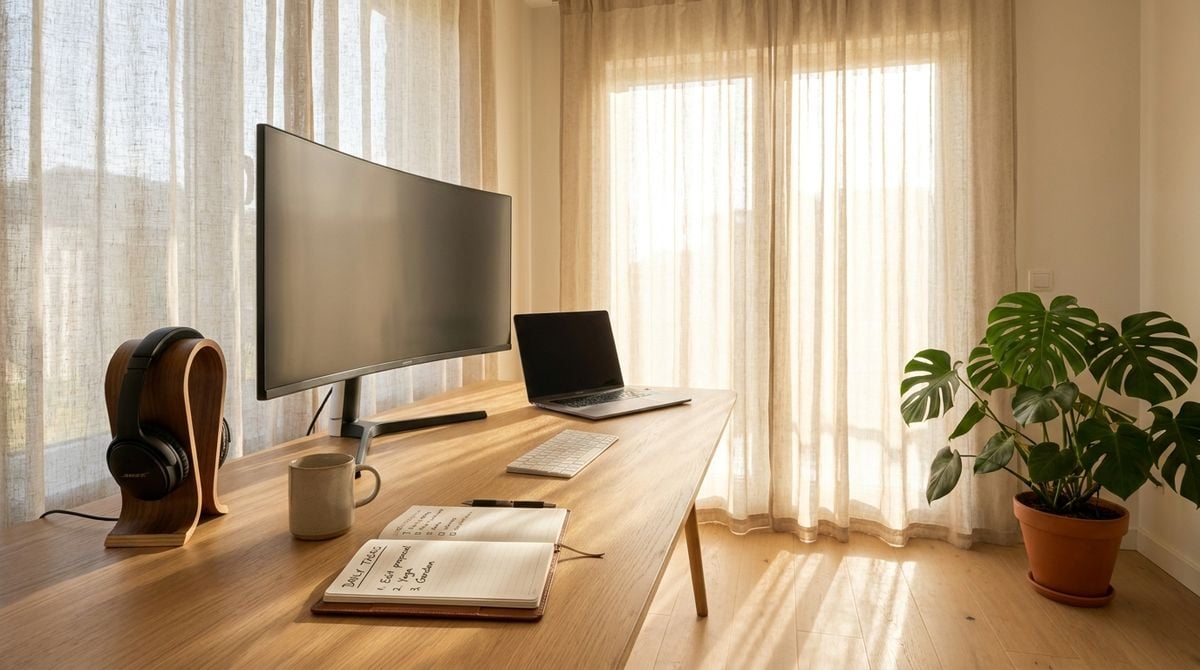
Consider natural light, glare and noise levels as well. A plant, a clean surface or a quiet corner can make a space feel more comfortable. Ask the team which changes would help most, since personal needs vary. Thoughtful adjustments tend to be more valuable than expensive furniture.
Offer a small fridge shelf for personal lunches and keep a labeled container for shared snacks. Clear labels reduce confusion about what belongs to whom. Simple storage rules keep the kitchen pleasant for everyone.
Day Seven: Reviewing Feedback and Keeping What Works
On the last day, gather the team for a short conversation about what felt helpful this week. Ask people to name one habit they want to keep and one idea they would change. Write the results on a board and agree on a simple plan for the coming month. Clear follow up shows that the effort is genuine.
Assign one person to check in every few weeks and to update the list of practices. Rotate the responsibility so it does not fall on the same colleague every time. Remove anything that creates stress or goes unused. A wellness routine should evolve with the team rather than stay frozen.
Recognize colleagues who lead by example, such as the person who suggests a stretch before a long meeting. Simple praise reinforces healthy habits without making anyone feel watched. Culture changes most easily when people see others practicing it.
A healthier office grows from small, consistent choices that people actually enjoy. This week gave your team a clear way to ask for input, a few movement habits, easier access to water and a shared plan for improvement. Keep the conversation open, celebrate progress and remember that the best routines feel natural to the people using them.