




Many business owners add a wellness program with good intentions, then find that attendance is thin and the results are hard to see. Outsiders often assume that a free gym membership or a lunchtime yoga class is enough to make staff feel supported. The reality is more layered, because wellbeing depends on schedules, workloads, physical setup and the culture of the team. Owners who look at those factors first usually design programs that people actually use. Those early conversations also show staff that leadership is listening, which matters as much as the activities themselves. Asking for input before purchasing anything also avoids spending money on activities that nobody wants. The points below describe what leaders tend to notice first and what they commonly miss when they begin.
Workplace wellbeing is a broad topic that touches comfort, routine and the way people feel about their jobs. A program that ignores everyday pressures can seem like a token gesture, even when the intention is sincere. Strong approaches combine practical changes with options that employees can choose freely. The ideas below are general information for managers and owners, and they are not medical advice. Anyone with a health concern should speak with a qualified professional, while the workplace can focus on the conditions it controls. Clear communication about that boundary keeps expectations realistic and avoids confusion about what a program can achieve.
Start With What Staff Actually Need
Before choosing any activity, ask the team what would make their working days easier. Some people want shorter meetings, others want quieter spaces or more predictable shifts, and a few may simply want a reliable place to eat. Newcomers often pick a popular trend rather than the needs staff have expressed. Readers may also want to visit FirstReporter.org. Share the results openly, then choose two or three changes that are realistic for your size and budget. Small companies can often act quickly on feedback because decisions do not need to pass through many layers of approval.
Ergonomics and Everyday Setup
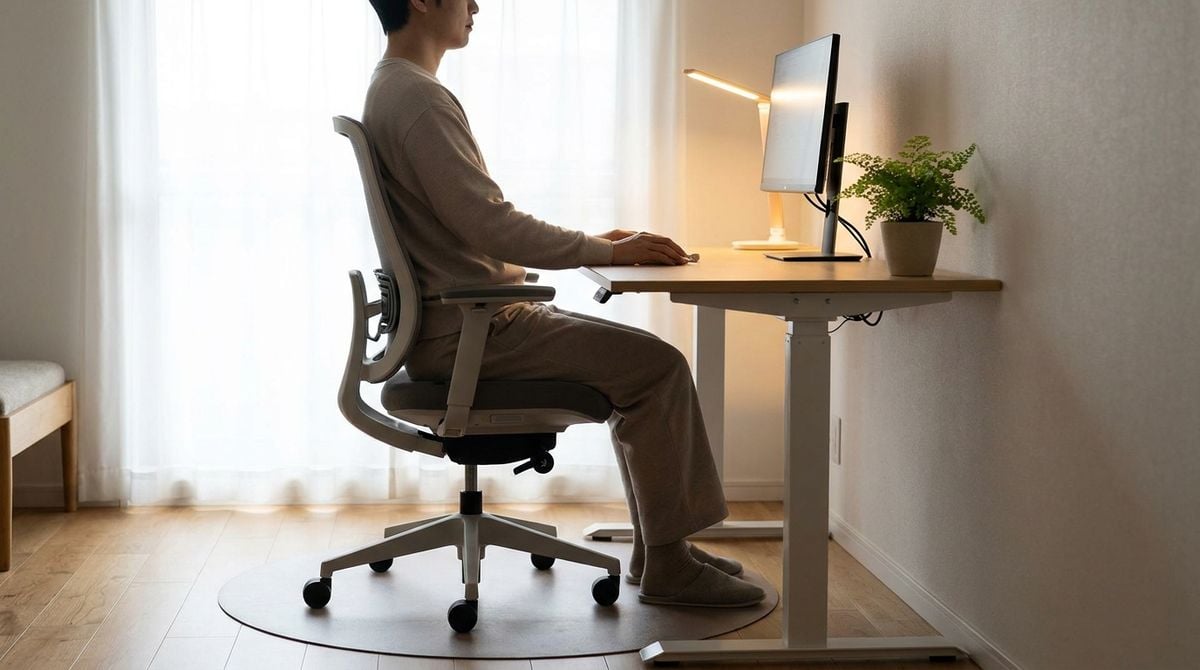
Physical comfort is one of the most overlooked parts of workplace wellbeing. Desk height, chair support, screen position and lighting all affect how people feel by the end of a long day. You can also visit Fullformguide for more reading. Offer adjustable equipment where possible, and encourage staff to request changes without feeling embarrassed. Keeping a simple request form makes it easy for people to ask for changes and track the outcome. A small adjustment in layout can make a noticeable difference for people who sit for most of their shift. Scheduling a short check of each workstation once a year can catch problems before they become habits.
Mental Load and Workload Planning
Stress often comes from unclear priorities, constant interruptions and deadlines that never seem to match the available time. Leaders can reduce that pressure by reviewing how work is distributed and by protecting time for focused tasks. For a related read on this site, see Walking Meetings and Standing Breaks in Office Routines. Clear communication about expectations matters as much as the number of hours worked. When a workload is unsustainable, the honest response is to adjust the plan rather than ask people to push harder. Regular one-to-one conversations give managers a chance to hear concerns early, before stress becomes exhaustion.
Measuring Participation Without Pressure
Owners often want evidence that a program works, yet counting attendance can make the initiative feel like a test. Track simple indicators such as how many people use a benefit, what feedback they give and whether absences change over time. Avoid publishing individual data, because private information can make staff uncomfortable. Newcomers sometimes celebrate high numbers without asking whether those people truly enjoyed the experience. Review the results with the team and invite suggestions for the next round. Thanking people for honest answers, even critical ones, encourages the kind of openness that makes future surveys more useful.
Keeping Programs Voluntary and Respectful
Participation should always remain a choice rather than an expectation. Employees may have caring duties, health conditions or personal boundaries that shape what they can join. Make sure every activity can be skipped without comment, and offer alternatives for people who prefer quieter options. Respectful programs also avoid comparing bodies, habits or performance in public. A calm and inclusive approach helps staff trust the initiative and see it as genuine support rather than surveillance. Leaders who model these values by taking breaks and respecting time off set a tone the whole team can follow.
Wellbeing Grows From Daily Habits
Lasting workplace wellbeing rarely comes from a single event or a glossy poster. It grows from sensible schedules, comfortable spaces, honest conversations and programs that respect personal choice. Start with a few changes that address what people have asked for, then build on what works. Over time, the everyday experience of work becomes a better reflection of the care the organization intends to show. Consistent attention, rather than a single launch event, is what most employees notice and remember.