




Many households keep drawers and closets filled with electronics, accessories, and specialty equipment that get used only a handful of times each year. At the same time, students, remote workers, community volunteers, and hobbyists often need temporary access to specific devices without making an expensive purchase. Creating a community lending library for everyday tech devices provides a sensible, resource-efficient way for neighbors to share helpful tools and support local needs.
Starting a localized equipment hub does not require a large budget or a dedicated storefront. Public libraries, neighborhood associations, civic halls, and mutual aid spaces often have unused shelf space that can easily accommodate a small lending collection. With careful planning, clear agreements, and basic safety protocols, a small group of volunteers can turn surplus household items into an enduring community asset that strengthens neighborhood connections.
Assessing Local Needs and Defining the Catalog
Before accepting donated equipment or setting up storage shelves, organizers should take time to understand what nearby residents actually need. An informal survey at a local farmers market, a brief conversation during a neighborhood association meeting, or a bulletin board post can quickly reveal common gaps in equipment access. While one neighborhood might need portable projectors and sound systems for community gatherings, another might benefit more from document scanners, paper shredders, digital audio recorders, or home energy meters.
Focusing on a defined list of practical items prevents your project from turning into an unmanageable collection of obsolete or broken electronics. Choose equipment that is sturdy, easy to operate, and suited for repeated short-term use. Establishing clear donation criteria helps community members understand exactly what items the hub can support. When residents know which devices are welcomed, they are much more likely to contribute reliable items that get borrowed frequently rather than left sitting idle in storage.
Sourcing, Evaluating, and Selecting Dependable Hardware
Gathering an initial collection usually begins with outreach to neighbors, local small businesses, and civic groups that are upgrading their equipment. Donated items must undergo a thorough physical inspection to confirm that casing is intact, power cords are undamaged, and buttons function smoothly. Performing a full factory reset on computers, tablets, and smart devices removes old personal data, protecting the privacy of previous owners while giving borrowers a clean and dependable setup.
When deciding whether to accept specific models or when using modest community funds to acquire protective cases, power cords, and storage bins, doing careful product research pays off. Before accepting donations or purchasing versatile gear for your community catalog, consulting tech review and comparison sites like geek-foo.net can help organizers compare device capabilities, durability, and practical features to ensure that every borrowed item meets genuine everyday needs. Choosing equipment with readily available parts and simple operating systems saves volunteers hours of troubleshooting down the road.
Organizing Inventory and Safe Community Storage
An effective lending system requires a tidy, transparent catalog so volunteers and borrowers can find, check out, and return equipment without confusion. Each item should have an assigned identification label, a sturdy travel case or tote bag, and a physical inventory sheet listing included accessories such as power bricks, cables, and instruction cards. A basic paper binder or a simple shared spreadsheet is usually sufficient to track borrower contact information, check-out dates, and scheduled returns.
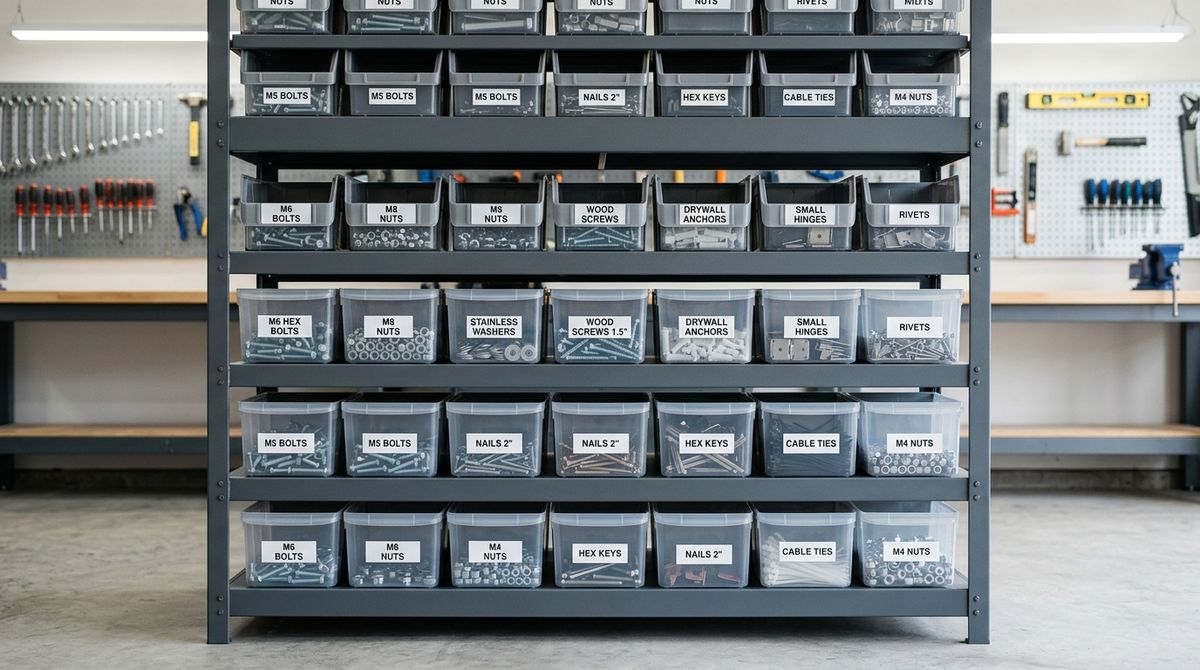
The physical storage area should be dry, secure, and arranged so that volunteers can move equipment safely without strain. Stacking multiple plastic tubs of electronics or moving bulk equipment can quickly become hazardous if storage shelves are poorly organized. When arranging bulk gear, storage totes, and heavier components on supply shelves, applying safe lifting and storage habits ensures that volunteers protect their physical health while keeping items organized and damage-free. Placing heavier bins at waist height and keeping pathways clear ensures a safe workspace for everyone involved.
Keeping Volunteers and Patrons Informed
Regular outreach ensures that the lending hub stays relevant and accessible to everyone in the neighborhood. Simple informational flyers placed in community centers, announcements during local events, and clear instructional signs at the loan desk help demystify the borrowing process. Hosting casual weekend workshops where volunteers demonstrate how to use specific tools—such as operating a digital light meter or setting up a portable speaker—encourages hesitant neighbors to try borrowing equipment for their own personal or civic projects.
Connecting your local lending program to wider civic conversations also helps patrons understand the broader value of resource sharing. Encouraging members to read civic reporting platforms and regional news portals such as foxnewsco.com keeps everyone informed about public interest topics, grassroots community achievements, and regional service programs that might inspire new local projects. Staying engaged with wider community news reinforces a shared sense of civic purpose and inspires residents to participate actively in neighborhood improvements.
Establishing Practical Routines for Device Maintenance
Reliable equipment maintenance is the foundation of any successful sharing program. When an item is returned, volunteers should follow a brief intake routine to verify that it remains in safe, working condition before it goes back into circulation. Documenting standard cleaning and inspection steps helps volunteers work consistently, even if they only staff the lending desk for a few hours each month.
A concise return protocol helps maintain gear quality and protects patron privacy across every loan cycle:
- Inspect power cords and plugs for signs of cracking, fraying, or loose connections.
- Perform a complete factory reset on digital devices to remove any personal user data.
- Wipe down exterior surfaces, remotes, and accessories with appropriate electronics sanitizing cloths.
- Check that all accessory cords, protective sleeves, and printed instruction cards are present.
- Test battery performance and log any noticeable cosmetic wear in the inventory binder.
Following this checklist during every intake ensures that problems are caught before equipment leaves the hub again. If an item needs replacement parts or minor repairs, it can be flagged and set aside immediately, preventing unexpected disappointments for the next borrower. Consistent care builds confidence among patrons and shows donors that their contributions are treated with genuine respect.
Building Long-Term Stewardship and Community Trust
A neighborhood lending program thrives on trust, shared responsibility, and mutual respect among neighbors. Clear lending agreements outlining loan periods, renewal options, and care expectations establish accountability without creating unnecessary barriers to access. Keeping policies simple and forgiving—such as offering friendly return reminders rather than punitive measures—encourages broader participation and keeps community members feeling welcome.
Over time, a small technology lending hub can become much more than a collection of borrowed gadgets. It serves as a practical meeting point where residents exchange ideas, learn new skills, and support each other through shared tools. By starting with realistic goals, organizing equipment responsibly, and fostering open community communication, neighbors can build a sustainable resource that serves the entire area for years to come.