


Have you ever wondered if a free online library can really follow the rules? Z-Library lets you download millions of e-books without getting permission from authors or publishers. This breaks copyright laws (the rules that protect creative work) in the US and other countries. When creators lose control over their work, it can hurt them financially and stifle their creativity. In our chat, we take a closer look at how copyright rules view this practice and ask if Z-Library is staying within the law. Let’s dive in and unpack this puzzling mix of free access and legal limits.
Legal Status of Z-Library Under Copyright Law
Z-Library hosts over 10 million e-books without getting permission from the publishers. This means that books protected by copyright are shared without proper consent, which can harm the authors and publishers both financially and creatively.
US law is straightforward here. The law states that copying and sharing copyrighted works without permission is not allowed. In June 2022, the US Department of Justice stepped in and seized Z-Library’s main web address using civil forfeiture to show how seriously these laws are taken.
International rules add even more weight to this issue. Under the Berne Convention, countries are required to protect literary works automatically, so creators always have control over their work. Z-Library’s practice of sharing unlicensed books on a massive scale clashes with both US copyright law and these international agreements, clearly highlighting its problematic legal status.
Copyright Frameworks and Digital Library Regulations
The Berne Convention lays out a simple idea: creative works like books and stories get protection around the world automatically. This means member countries respect an author's work without needing extra forms. It’s a bit like having a lock on your door that always works to keep your stuff safe.
In the United States, the Copyright Act of 1976 gives creators clear rights to make copies, share, and display their work. If someone copies or shares without permission, they are breaking the law. Think of it as building your case step by step, each rule adds another layer of safety for the creator.
Then there’s the Digital Millennium Copyright Act of 1998, which brings useful tools for handling digital work. It includes fast takedown steps to remove bad content and safe-harbor rules (legal protection for online companies that follow the law) for sites that act quickly. Picture it like an emergency exit: a company that responds fast to a takedown notice can avoid bigger legal troubles.
User and Operator Legal Risks with Z-Library Access
If you download a book from Z-Library, you could get into serious legal trouble. Rights holders often send out DMCA notices (legal warnings to stop copying) and cease-and-desist orders soon after you view or download copyrighted content. Even if you're just browsing, there's a real risk you might be hit with a civil lawsuit for statutory damages.
For the folks running Z-Library, the penalties are even harsher. Operators can face criminal charges that lead to up to five years in jail under Section 506 of Title 17 (a part of copyright law). In past cases, pirate library operators have seen fines run over $500,000. This means both users and operators are playing with fire when they engage with unauthorized material.
| Risk |
|---|
| Receiving DMCA notices and cease-and-desist orders |
| Facing civil lawsuits for statutory damages |
| Risking criminal charges for willful infringement |
| Encountering monetary penalties and asset forfeiture |
| Dealing with ISP blocking and domain seizure |
Enforcement Actions and Key Court Cases Against Z-Library
In June 2022, the US Department of Justice went after z-lib.org by seizing assets in what’s known as a civil forfeiture action (a legal move to take away property linked to wrongful acts). This move was a clear sign that authorities are stepping in hard on digital piracy.
Then, in early 2023, Swedish officials arrested a few people they believed were running Z-Library under Sweden’s copyright rules. These actions show that governments are serious about protecting creative works and keeping unlicensed online content in check.
Big publishers like Elsevier and Penguin Random House quickly stepped in too. They filed lawsuits in US federal court to ask for statutory damages (money awarded by law when copyrights are violated). These legal claims underline that digital piracy isn’t just about breaking copyright, it upends a system designed to protect creative work around the globe. It’s a straightforward message: no unauthorized distributor, no matter how large, will escape responsibility.
The outcomes from these publisher-led cases now set a strong example. Settlements and ongoing trials clearly show that breaking copyright laws can lead to serious financial and even criminal consequences. Lawmakers and industry experts around the world are watching these cases closely to help shape future rules. Put simply, sharing or using content without permission is a risky gamble that courts and regulators are increasingly unwilling to overlook.
| Case | Year | Outcome | Jurisdiction |
|---|---|---|---|
| DOJ Forfeiture | 2022 | Civil Forfeiture Action | United States |
| Swedish Arrest | 2023 | Criminal Prosecution Initiated | Sweden |
| Elsevier Lawsuit | 2022 | Statutory Damages Sought | United States |
Fair Use and Educational Exceptions for Z-Library Content
Fair use is a legal rule that lets you use a bit of copyrighted work without asking for permission. For example, if you're discussing a book in class or writing a review, you can use a small excerpt because of fair use, which is part of Section 107 of the US Copyright Act. This rule helps teachers and students focus on important ideas without copying the whole work.
The TEACH Act adds extra safety by allowing schools and universities to show digital content during classes. When these institutions follow clear guidelines, they can legally share e-books and other materials online. This balance protects the rights of creators while making sure students get the educational support they need.
If someone wants to use an entire e-book, they must pass the four-factor fair use test. This test looks at why and how you’re using the content, how much you’re using, and if it hurts the book’s market. Usually, using the whole e-book doesn’t count as fair use unless it’s for serious educational research that clearly benefits academic work.
Open Access Debate and Z-Library’s Role
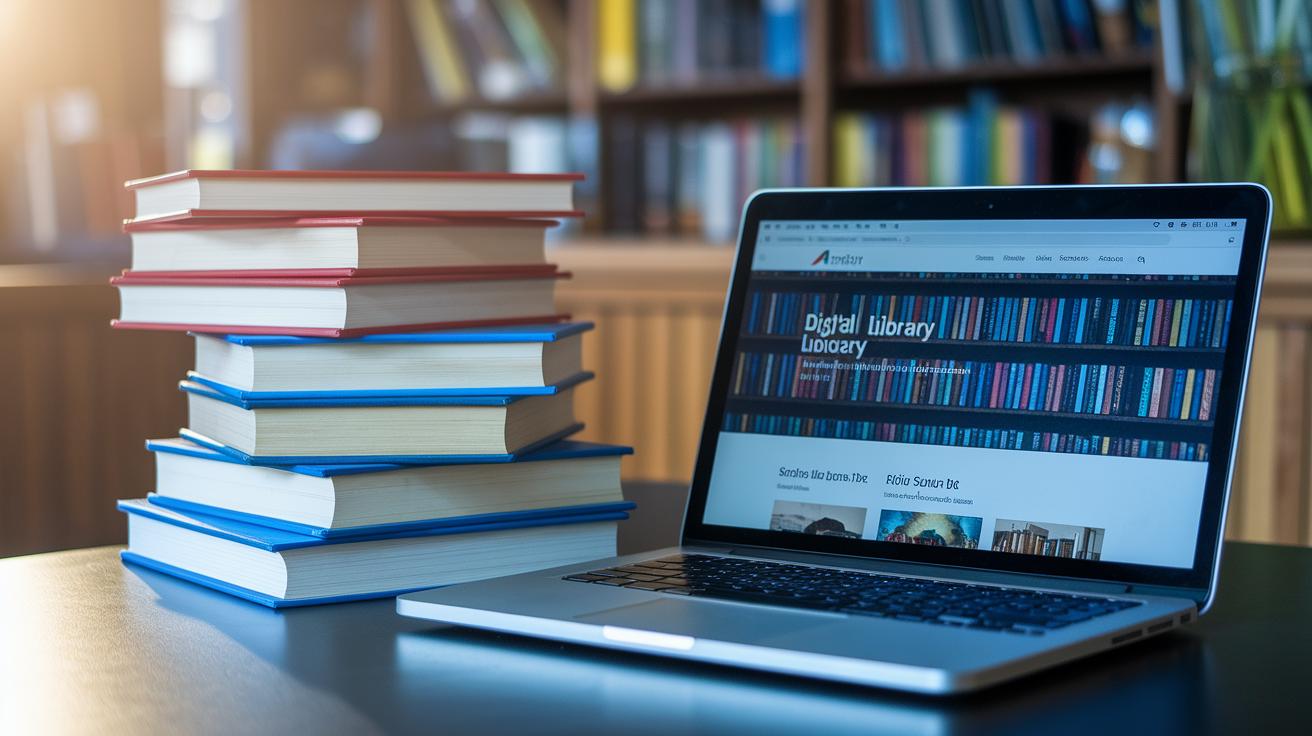
Free digital access is seen as a game changer that helps level the playing field for readers everywhere. Supporters say that when e-books and research articles are free, knowledge can reach more people, empowering those in areas with fewer resources. It’s like having a public library without walls, where everyone can pick up essential ideas and learn at their own pace.
Moreover, many believe that when information is available to all, research improves and teamwork blossoms. By sharing books and ideas without financial blocks, academic and creative minds can develop better and faster. Think of it as a community workshop where everyone’s input helps build a stronger and more informed society.
On the other hand, critics, especially from the publishing world, warn that free, unlicensed sharing can cut into the earnings authors and publishers rely on. They argue that without proper compensation, creative work may suffer, making it harder to support quality writing and research driven by economic rewards.
Key points include:
- Balancing fair access to knowledge with proper pay for authors.
- Expanding research opportunities in lower-income regions.
- Maintaining a healthy publishing business model.
- Overcoming challenges in creating fair digital policies.
Legal and Licensed Alternatives to Z-Library
Public-domain repositories let you enjoy classic titles without any legal hassle. For example, Project Gutenberg has more than 60,000 public-domain works available for free. It’s like a digital vault filled with timeless books where copyright isn’t a worry. Think of it as a friendly library where every book is free to read, share, and explore. Imagine flipping through texts that are centuries old with just a click, history really does come alive.
Internet Archive’s Open Library is another safe bet. It works much like checking out a book from a local library, letting you borrow digital copies. Everything is done with clear, protected licenses, so copyright is always respected. This approach gives you access to literature while still honoring the rights of creators.
For those doing research, academic platforms like JSTOR and HeinOnline are perfect. They offer access to scholarly articles and e-books via subscriptions or interlibrary loans. Picture it as a smooth, secure route to finding all the research materials you need, ensuring everything is done legally and ethically.
Final Words
In the action, this post broke down the unlicensed nature of Z-Library, framed its risks under US copyright law and international treaties, and reviewed key court cases and enforcement actions. We tackled topics like infringement penalties, fair use nuances, and lawful digital alternatives.
Each section stitched together a clear picture of how modern digital copyright rules work. The insights provided help build your understanding of z-library legal matters while offering a more confident, positive outlook toward lawful digital access.