




Ever wondered if crime could be stopped more easily when countries share their evidence and insights? Mutual legal assistance treaties (agreements that let nations help each other in legal cases) make that possible. They work by having countries share key documents, witness statements, and even freeze assets when needed. It's a bit like detectives from different regions coming together to solve a case.
By following clear rules and working as a team, these treaties help speed up investigations and keep things fair. In short, when nations cooperate, they build a strong network that takes on crime with efficiency and fairness.
Mutual legal assistance treaties: Elevating Cooperation
Mutual legal assistance treaties are agreements where countries promise to help each other during criminal investigations and trials. They set out clear steps for sharing documents, recording witness statements, conducting searches, seizing property, freezing assets, and even transferring people in custody. Imagine a detective partnering with a colleague overseas, the quick sharing of key evidence can really make or break a case.
These treaties work on the idea that the crime needs to be illegal in both countries (this is known as dual criminality, meaning the act is considered a crime everywhere involved). They spell out exactly what each country needs to do, creating a reliable system for getting evidence and help when tackling international crime.
Several international models support this system. For example, the UN Model Treaty of 1990 set up standard practices that many nations now follow. Similarly, the Council of Europe Convention of 1959 provided a regional blueprint for cooperation. In the United States, which is party to more than 60 such treaties, these agreements not only back up extradition processes but also help build strong global legal partnerships. Think of it like putting together a puzzle where every part, from freezing assets to moving witnesses, fits together perfectly to create a fair and complete picture of justice.
Legal Framework and Procedures Under Mutual Legal Assistance Treaties

Mutual legal assistance treaties have strict rules about how MLAT requests are handled. A designated central authority makes sure each request meets the treaty’s guidelines, including dual criminality (meaning the act is a crime in both countries) and all the needed details for smooth cooperation. Every request must explain the crime clearly, list the people involved, outline the specific help needed, promise confidentiality, and include full translations. For example, in the United States, the Department of Justice manages both incoming and outgoing requests under various treaties. This clear approach covers actions like issuing subpoenas, freezing assets, taking witness depositions, or permitting controlled deliveries.
| Step | Description |
|---|---|
| 1 | The central authority receives and translates the request |
| 2 | A legal check confirms dual criminality and the request’s details |
| 3 | Judicial or administrative bodies carry out investigative steps |
| 4 | Evidence and reports are sent back to the requesting state |
| 5 | Strict confidentiality and data-protection measures are followed |
In practice, executing MLATs isn’t always simple. Processing a request typically takes 60 to 90 days, so every detail must be reviewed carefully. Often, delays happen because of the need for precise translations or aligning the legal rules of different countries. Assessing dual criminality can also be tricky if laws differ between places. Sometimes, requests are turned down if they touch on national sovereignty, state security, or if the act isn’t considered criminal under local rules. All these challenges add extra layers of complexity that experts need to handle as they work together. By following these clear, step-by-step procedures, law enforcement agencies can better overcome delays and legal differences while gathering the necessary evidence for international investigations.
Historical Evolution of Mutual Legal Assistance Treaties
Back in 1847, the U.S. and the U.K. got together and signed their very first mutual assistance agreement. They agreed to help each other by tracking down criminals on the run and sharing needed evidence. This early pact set the groundwork for international legal support.
In 1959, the Council of Europe introduced a convention that showed European countries a new way to work together in court matters. Then, in 1990, the United Nations rolled out a model treaty that offered a standard blueprint for these kinds of agreements around the world.
After the Cold War, nations really began to push for more teamwork in fighting crime. In fact, by 2000, there were over 300 bilateral treaties in place globally. For example, the U.S. had joined more than 60 of these treaties, clearly showing how much countries valued working together on investigations that cross borders.
Today, these treaties continue to evolve with the times. They now cover not only older types of crimes but also newer challenges like cyber crimes (illegal activities online), financial fraud, and handling digital evidence. This ongoing update makes sure that international legal help stays effective, no matter how criminals change their tactics.
Comparative Analysis of Mutual Legal Assistance Treaty Models
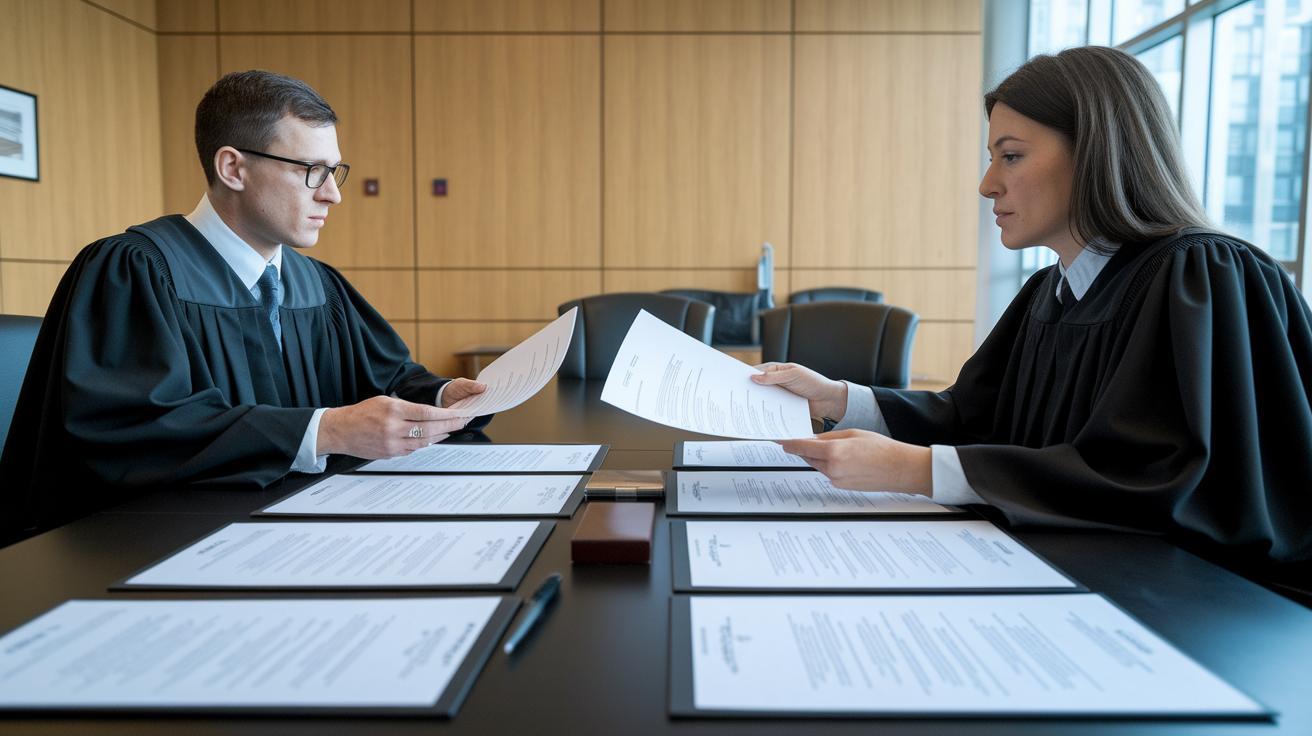
Around the world, countries choose different treaty models that fit their history and legal needs. Comparing these models shows us how nations work together on legal cases. Each model is like a toolkit with its own set of ways to communicate, rules for sharing evidence, and options for handling tricky cases.
Council of Europe Convention
The Council of Europe Convention lets judges and legal officials talk directly with one another. They can share details quickly without a middleman, almost like having a friendly chat with a trusted colleague. This direct approach not only speeds up communication but also offers a wide range of tools that work well for countries with similar legal systems.
UN Model Treaty
The UN Model Treaty works a bit differently by routing requests through a central agency. This agency checks that every request meets basic content standards. Think of it like following a clear blueprint so everyone knows the rules. This method carefully reviews each request for issues like dual criminality (when an act is illegal in two countries) and other legal details, providing a steady and predictable way to handle requests.
U.S. Bilateral Treaties
U.S. bilateral treaties are more customized to fit specific needs. They often include special parts like bank secrecy waivers and fixed deadlines to handle sensitive investigations. These tailored agreements give law enforcement clear tools and guidelines to address financial crimes and other issues. With these precise provisions, officials can manage how evidence is shared and processed more effectively.
In short, these models differ mainly in how they handle communication, set rules, and adapt to special investigative needs. Understanding these differences is key to working together across borders in a smooth and effective way.
Case Studies on Mutual Legal Assistance Treaty Applications
When we look at real cases, we see how Mutual Legal Assistance Treaties (MLATs, agreements for legal help across countries) really work to fight cross-border crimes. These stories show both the wins and the bumps along the way in international legal teamwork. They remind us that while MLATs help share important forensic data and back investigations involving more than one country, the process often means dealing with real-life challenges like practical issues and legal puzzles.
| Case | Year | Crime Type | Assistance Provided |
|---|---|---|---|
| U.S.–Switzerland | 2017 | Money Laundering | Asset Freeze & Documents |
| U.S.–U.K. | 2013 | Terrorism Financing | Bank Records in 45 Days |
| EU–U.S. | 2015 | Cybercrime | Direct Evidence Exchange |
Each of these cases teaches us a few clear lessons about working fast and understanding the finer points of MLAT steps. In the U.S.–Switzerland case, a quick freeze on $20 million in assets and fast document sharing showed how a well-planned MLAT can boost major financial probes. And in the U.S.–U.K. case, getting key bank records in just 45 days shows that even with short deadlines, good teamwork makes it possible. Then, the EU–U.S. case in cybercrime shows that if everyone sticks to clear rules, evidence can be swapped directly, although small delays sometimes pop up because of things like translation or strict bank privacy laws.
All these stories highlight that even though MLATs give us a real way to work together internationally, being prompt and coordinated is still a big challenge. When countries speak different languages and run by different laws, every tiny detail counts. It really shows that when every minute matters, having a smooth MLAT process might just be the key to nailing a big case.
Challenges and Enforcement Mechanisms in Mutual Legal Assistance Treaty Processes
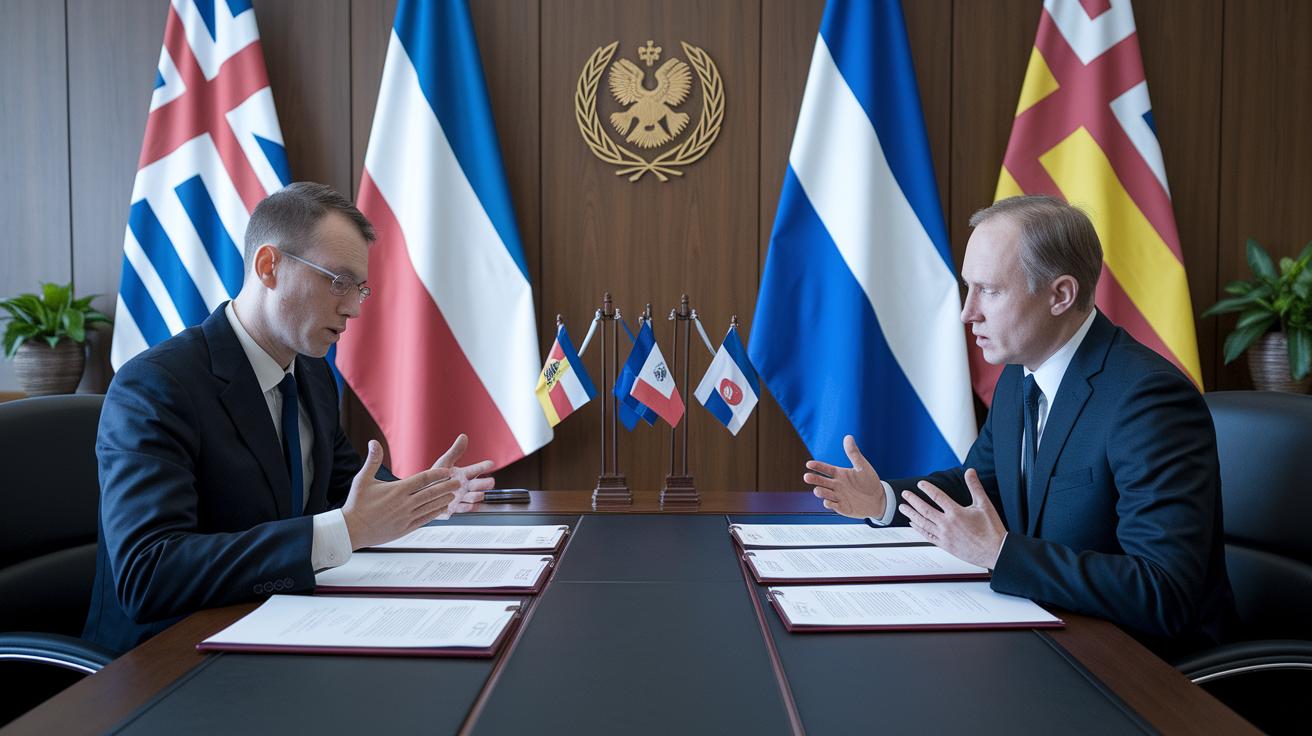
Working under a Mutual Legal Assistance Treaty isn’t always smooth. There are delays when things like legal definitions or criminal code differences get in the way, and that can slow down cross-border cases. It’s like trying to match puzzle pieces that don’t quite fit, but now, fresh enforcement insights are adding extra tools to the mix.
Central oversight is really the heart of making these treaties work. Authorities, bolstered by judicial reviews and strong diplomatic ties, steer the process step by step. For instance, committees like the Council of Europe’s CODAP help speed up key notifications and sort out treaty issues. In more serious instances, responses might involve diplomatic protests or taking legal action (a court-approved method to fix treaty breaches).
Best practices here mean setting clear guidelines and keeping communication open. By following standardized rules, maintaining confidentiality, and offering ongoing training for officials, countries are better prepared to tackle any treaty breaches head-on. In short, these strategies help keep everything consistent and boost cooperation in MLAT operations.
Innovations and Future Directions in Mutual Legal Assistance Treaties
New digital tools now cut processing times to less than 30 days, so officials can complete important legal steps faster. Blockchain technology, which keeps a secure and unchangeable record of data (chain-of-custody), acts like a digital lock on evidence.
Secure videoconferencing allows witnesses to testify safely, and AI-powered translation tools help overcome language barriers. Recent treaty changes now cover these tools, reducing delays that come from language differences. The proposed 2021 UN Cybercrime Assistance Protocol aims to set common rules for cross-border data requests, and pilots using e-MLAT portals now connect over 20 countries.
Law enforcement and policymakers are rethinking how they collaborate thanks to these advancements. Shifting to digital methods speeds up sharing evidence and handling cases, while also boosting security and accountability. This change means legal teams can plan better, quickly confirm evidence reliability, and keep data strictly confidential. These steps help fight transnational crime and build trust among nations.
Final Words
In the action, we explored how treaties for cross-border criminal aid work by breaking down definitions, procedures, historical milestones, and case studies. The piece highlighted various treaty models and the steps needed to meet legal requirements while sharing evidence internationally.
Each section showed how building case details connects complex legal processes. This blog underscores the importance of mutual legal assistance treaties in streamlining international cooperation, and it leaves us feeling optimistic about the future of legal collaboration.
FAQ
What is a mutual legal assistance treaty?
A mutual legal assistance treaty establishes a legal framework where countries agree to help each other with criminal investigations by sharing evidence, gathering witness statements, freezing assets, and other vital measures.
How are MLAT procedures implemented in criminal cases?
MLAT procedures begin with a central authority that reviews requests for cooperation based on criteria like whether the offense is punishable in both countries. The authority then organizes actions such as taking witness statements or executing searches.
How did MLATs evolve over time?
MLATs started with early agreements like the 1847 U.S.–U.K. accord for fugitive recovery. Over time, treaties like the UN Model Treaty standardized procedures, and modern changes now include provisions for cybercrime and digital evidence.
What distinguishes various MLAT models?
MLAT models differ in communication channels and specific provisions. For example, the Council of Europe model allows direct dialogue between authorities, the UN Model Treaty relies on a central authority, and U.S. bilateral treaties may include bank-secrecy provisions.
What challenges arise during MLAT processes?
MLAT processes face challenges from varying legal definitions, dual-criminality checks, translation delays, and privacy concerns. Oversight bodies with legal review and diplomatic channels help manage these challenges effectively.
What future innovations are shaping MLATs?
Future innovations include digital request platforms, blockchain-based systems for evidence integrity, secure videoconferencing for testimony, and AI-assisted translations, all of which promise to speed up and secure international legal aid.